It is 7:45 in the morning. You hit the button on your garage door opener, and nothing happens. You walk over and notice a snapped spring hanging above the door. Your entire morning just fell apart.
If you live in Celina, TX, or nearby in Prosper or McKinney, chances are you have heard a neighbor go through this exact situation. North Texas weather throws everything at your home, from January ice storms to summer heat past 100 degrees, and garage door springs take a serious beating year-round. Whether it ends in a simple fix or a full torsion spring replacement, the disruption is never convenient.
Here is what every garage door professional knows: most garage door spring failures are completely preventable. You just need to know what to look for and when to act.
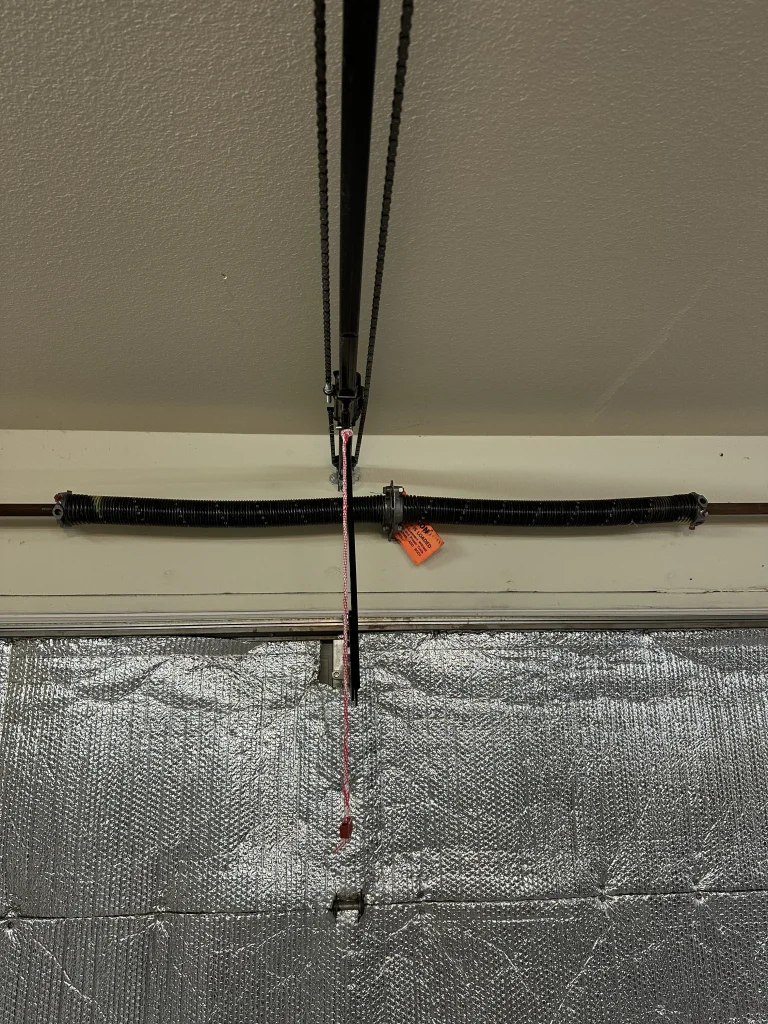
Understanding Garage Door Springs
There are two main spring types found in residential homes:
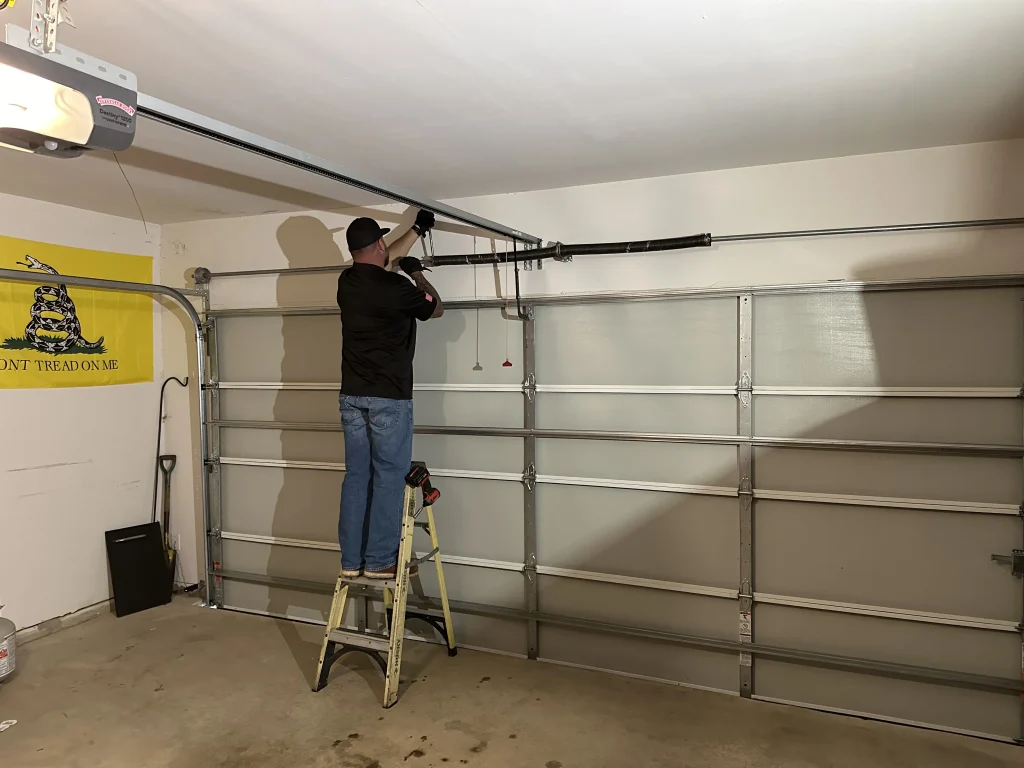
- Torsion Springs mount horizontally above the door on a metal shaft. They store mechanical energy when the door closes and release it to help lift the door. Most newer homes in Prosper and Celina use torsion systems because they are more durable and balanced.
- Extension Springs run along the sides of the door track and stretch as the door moves. They are more common in older homes and tend to wear out faster.
Both types are rated by cycles. One cycle equals one full open plus one full close. Standard springs handle roughly 10,000 cycles, which works out to about 7 years for a household using the door four times daily.
Springs fail for identifiable reasons: normal wear, lack of lubrication, poor balance, rust and corrosion, temperature changes, and incorrect sizing from a bad installation. Understanding those causes is the first step toward preventing them.
For a deeper look at what puts springs at risk in the first place, check out “What Causes a Garage Door Spring to Break?”
10 Tips to Prevent Your Garage Door Spring from Breaking
Tip 1: Lubricate Your Springs Every 3 to 6 Months
This is the single most impactful maintenance step a homeowner can take, and it is the one most people skip.
Springs under constant tension grind against each other on every cycle. Without lubrication, that friction causes metal fatigue that leads to early failure.
Use a silicone-based spray or white lithium grease made for garage doors. Avoid WD-40 entirely. It is a degreaser, not a lubricant, and it accelerates wear on metal components over time.
Apply the lubricant along the full length of the spring coils with the door closed, then open and close the door a few times to work it in. For homeowners in Celina and Melissa, where summer humidity is a real factor, every three months is the smarter interval. Moisture is one of the fastest ways to introduce rust into a spring system.
Curious about exactly how many years are left on your springs? “How Long Before a Garage Door Spring Breaks?” breaks it down in detail.
Tip 2: Test Your Door Balance Twice a Year
An unbalanced door puts extra stress on one spring, wearing it out far ahead of schedule.
The balance test:
- Disconnect the opener by pulling the red emergency cord
- Lift the door manually to about waist height
- Let go completely
A balanced door stays in place or drifts slightly. If it drops or rises on its own, the balance is off. Call a licensed technician in Prosper or McKinney to adjust the spring tension. Do not attempt this yourself. Springs hold hundreds of pounds of stored tension, and adjusting them without professional tools and training is genuinely dangerous.
Skipping lubrication is one of the fastest ways to shorten spring life, and the consequences can catch homeowners completely off guard. Find out more in “Can a Worn Garage Door Spring Break Suddenly?”
Tip 3: Do a Visual Inspection Once a Month
A 30-second visual check every month can catch a failing spring before it becomes an emergency.
Look for:
- Visible gaps or separation between coils
- Rust or dark discoloration on the metal
- Coils that appear stretched, uneven, or misshapen
- Any visible cracking or bending
Spotting a worn spring early means scheduling a replacement on your timeline, during business hours, instead of dealing with a surprise breakdown. For homeowners in the Celina, TX area, a scheduled appointment almost always costs less than an emergency call.
Tip 4: Listen for Unusual Sounds
A garage door that is working correctly runs relatively quietly. New sounds are warning signs.
- Squeaking or grinding points to a lubrication issue
- Popping or thumping during operation can signal tension problems or a spring beginning to fail
- A sudden loud snap with the door stopping mid-movement typically means a spring has broken
Homeowners in Allen and Little Elm frequently share that they noticed strange sounds months before a spring finally failed, but waited too long to act. A service call prompted by an odd noise is almost always far cheaper than an emergency repair after a complete failure.
Tip 5: Keep Tracks Clean and Aligned
Springs are part of a complete mechanical system. Dirty or misaligned tracks force the door to work harder on every cycle, and that extra resistance puts added stress on the springs.
Wipe the inside of the tracks with a damp cloth every couple of months to clear out dirt and debris buildup. Watch the rollers as the door moves to confirm they roll smoothly without grinding. Do not lubricate the track surface itself, only the rollers.
Homeowners near McKinney and Prosper should check track alignment after winter. Freeze-thaw cycles can shift door frames slightly, and even small misalignment adds resistance that accumulates over thousands of cycles.
Tip 6: Check the Cables Regularly
Cables and springs work together. When a cable frays or snaps, the spring is forced to carry the full load, which can push it into failure well ahead of schedule.
Look for frayed or broken wire strands, cables sitting off the drum, or uneven tension between the left and right sides of the door. Also check the bottom brackets, drums, and anchor hardware for loose bolts, which vibration loosens over time.
Cables should never be adjusted without professional tools and training. Identifying a problem early and calling a technician before it gets worse is something every homeowner can do.
Tip 7: Prevent the Door From Slamming Shut
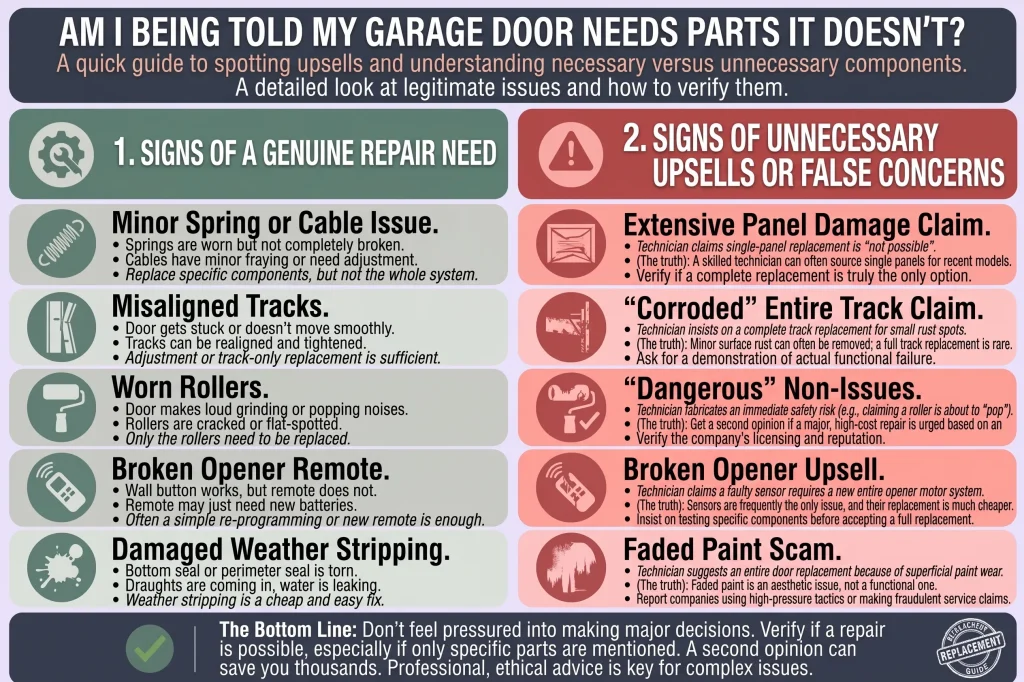
Every time a garage door slams hard against the floor, that impact sends a shockwave through the spring system. Over thousands of cycles, repeated hard closings accelerate wear on every component.
Common causes include close-force settings on the opener being too high, worn rollers causing uneven descent, or an out-of-balance door losing control at the bottom of travel. A technician can adjust opener force and speed settings in a short visit, and the impact on hardware lifespan is significant.
Tip 8: Schedule a Professional Tune-Up Once a Year
Even when everything feels fine, an annual tune-up by a licensed technician is worth every dollar.
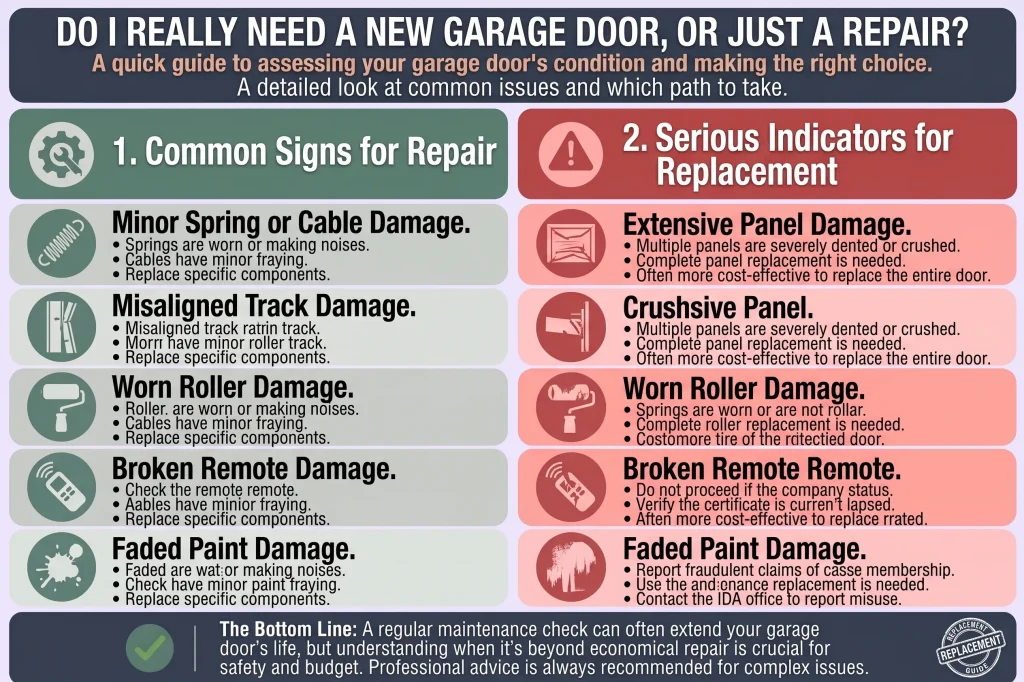
A professional inspection covers spring tension measurement, full lubrication of all moving parts, cable and hardware checks, balance testing, safety reversal testing, and a condition report on rollers and seals. These are details that go beyond what a homeowner can assess visually.
For homeowners across Celina, Prosper, McKinney, Allen, Melissa, and Little Elm, an annual tune-up runs at a modest average cost compared to an emergency spring replacement, which often includes damage to the opener or cables on top of the spring itself. Think of it the same way as an oil change for a vehicle.
Tip 9: Consider Upgrading to High-Cycle Springs
When springs are due for replacement, it is worth asking about high-cycle torsion springs. Standard springs are rated for 10,000 cycles. High-cycle options are available at 25,000, 50,000, and even 100,000 cycles.
For a busy household in Prosper or Celina using the garage door six or more times daily, standard springs may only last 4 to 5 years. A 25,000-cycle spring in the same scenario could last 10 years or more. The upfront cost is higher, but fewer replacements and fewer service calls over time make it a genuinely smart investment for most active households.
Tip 10: Always Replace Both Springs at the Same Time
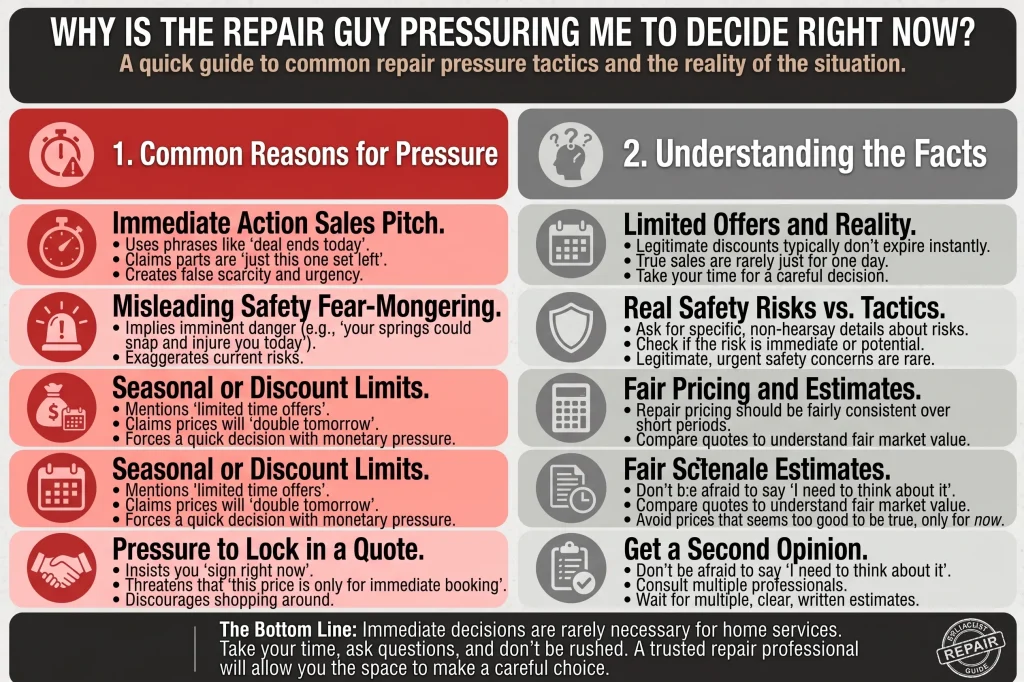
When one spring breaks, replacing only the broken one is a mistake that almost always leads to a second failure within months.
Both springs are installed at the same time and cycle at the same rate. If one has reached the end of its life, the other is operating in the same window. Replacing both ensures matching cycle ratings, proper door balance from day one, and eliminates the risk of a repeat emergency call in the near future.
Any reputable garage door company serving the Celina, TX area will recommend replacing both springs as standard practice. It is not an upsell. It is genuinely the smarter, more cost-effective approach.
When to Call a Professional Right Away
Some situations require immediate professional attention:
- A spring has visibly snapped or shows a gap in the coils
- The door fails the balance test and will not stay at mid-height
- Loud popping or banging sounds have started recently
- The door feels unusually heavy when lifted manually
- A cable has snapped or come off the drum
- The door shakes, jumps, or moves unevenly along the track
Never operate a garage door with a broken spring. The door becomes dangerously heavy and can drop without warning. Contact a licensed garage door technician in Celina, Prosper, McKinney, Allen, Melissa, or Little Elm immediately for evaluation and repair.
Small Habits Now, Fewer Emergencies Later
Garage door springs are the hardest-working components in the entire door system, and they rarely get attention until something breaks. The prevention habits are not complicated: lubricate on schedule, test the balance, inspect visually, listen for new sounds, and get a professional tune-up every fall.
Those simple habits will keep homeowners in Celina, Prosper, McKinney, Allen, Melissa, and Little Elm in control of their maintenance schedule rather than reacting to expensive garage door repair calls. And when replacement day comes, do it right: replace both springs, and consider the upgrade to high-cycle springs for long-term value.
Ready to Protect Your Garage Door the Right Way?
Alliance Overhead Door has been serving homeowners across Celina, Prosper, McKinney, Allen, Melissa, and Little Elm with honest, reliable garage door service backed by real industry expertise. Do not wait for a breakdown to find out the springs needed attention months ago. Contact us today or give us a call to schedule your inspection or tune-up.
Frequently Asked Questions
Can both springs break at the same time?
Yes. Both springs cycle at the same rate and tend to reach end-of-life around the same time. That is exactly why replacing both at once is the professional standard. This Old House covers this topic well for homeowners who want to learn more about the replacement process.
Is it safe to use the garage door when a spring is broken?
No. A door without a functioning spring is extremely heavy and can drop suddenly. Stop using it immediately and call a technician.
What is the difference between torsion and extension springs?
Torsion springs mount above the door and twist to store energy. Extension springs run along the side tracks and stretch. Torsion springs are more durable and safer because they stay contained on the shaft if they break.
How do you know a spring is about to break?
Rust, visible gaps in the coils, uneven coil spacing, a door that fails the balance test, unusual sounds, and a door that feels heavier than normal when lifted manually are all signs that a spring is nearing failure.
Why do springs break more often in winter?
Cold temperatures make metal more brittle and less flexible under load. In communities like Prosper and Celina, a sudden hard freeze can push an already worn spring into failure. A fall tune-up is the best way to catch vulnerable springs before winter hits.
Can a broken spring be repaired instead of replaced?
No. A broken or fatigued spring cannot be welded or patched. Full replacement is the only correct solution.
How much does spring replacement cost in the Celina area?
Standard spring replacement runs at a reasonable average cost in the Celina, Prosper, and McKinney area. High-cycle spring upgrades carry a higher upfront cost that pays back through extended lifespan and fewer future service calls.
Are high-cycle springs worth the upgrade?
For most active households, yes. Families using the garage door five or more times daily will cycle through standard springs faster than average. High-cycle springs rated at 25,000 cycles or more significantly reduce long-term replacement costs.
How often should garage door springs be professionally serviced?
Once per year is the industry standard. Between visits, lubricate every 3 to 6 months, do a visual check monthly, and run the balance test every six months.