Most homeowners in Celina, Prosper, and McKinney, TX, never think about their garage door springs until something goes wrong. And when it does, it almost always happens at the worst possible time.
Here is the reality: every time a garage door opens and closes, the spring loses a small piece of its usable life. It is a slow, invisible countdown that most people do not know is happening. When that spring finally snaps, the door is not going anywhere. That is usually the moment families start searching for torsion spring replacement options in a hurry.
So, how long before a garage door spring breaks? The answer depends on the type of spring installed, how often the door is used, and whether basic maintenance has been done. This guide breaks it all down in plain language, so homeowners across Collin County know exactly what to expect and how to stay ahead of the problem.
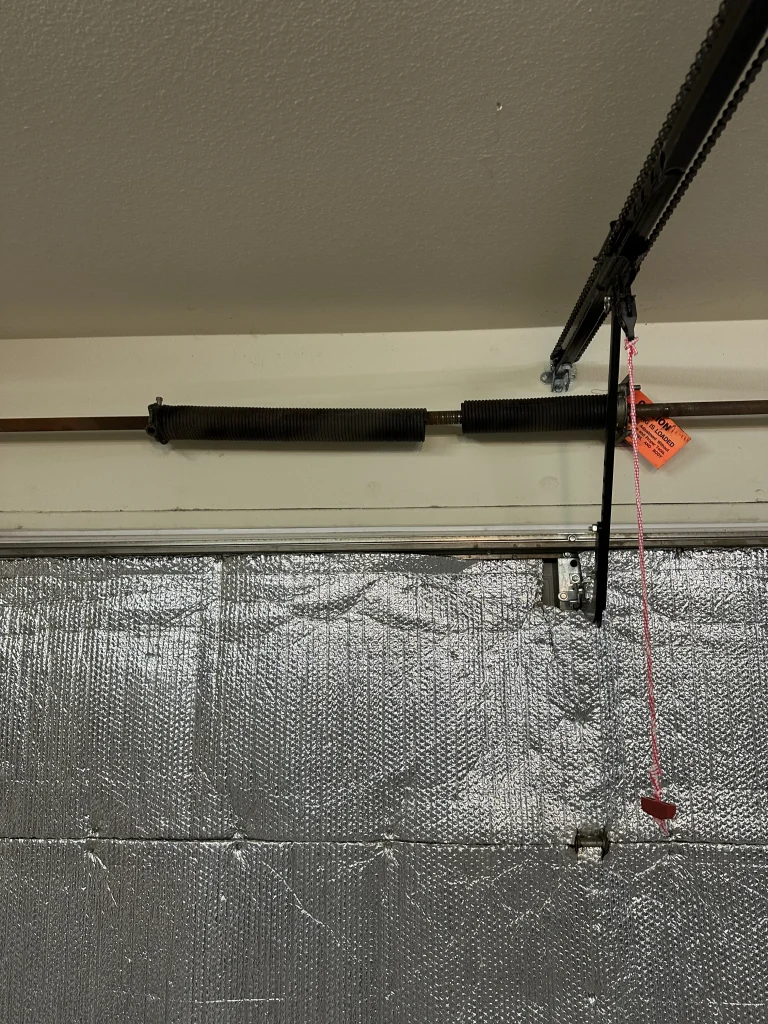
What Is a Garage Door Spring and Why Does It Matter?
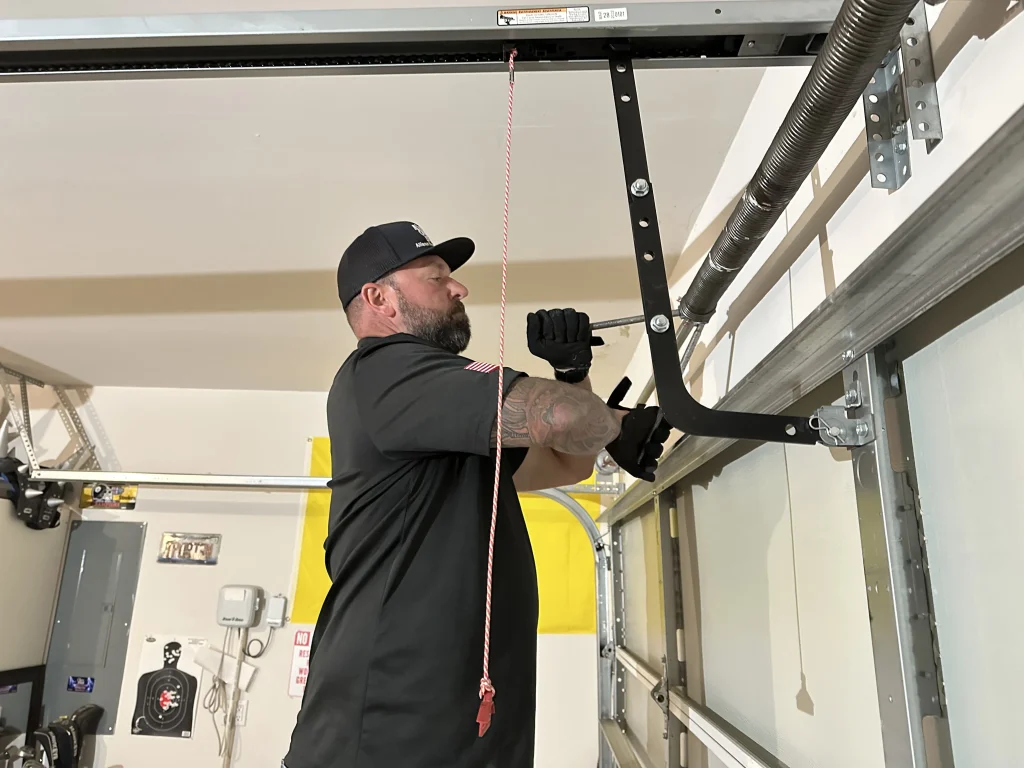
A garage door spring is the component responsible for counterbalancing the full weight of the door. Most residential garage doors weigh between 150 and 300 pounds. Without a working spring, the opener motor alone cannot lift that weight safely.
There are two main types used in residential homes:
Torsion Springs
They are mounted horizontally above the door opening. They wind and unwind to store and release energy as the door moves. These are more durable, safer when they break, and standard in most newer homes built across Prosper, Celina, and McKinney.
Extension Springs
They are mounted along the side tracks and work by stretching and contracting. These are more common in older homes and tend to have a shorter lifespan. They can be more hazardous when they snap if no safety cable is installed.
For homeowners who want to go a step further in protecting their system, check out this helpful read: How to Prevent a Garage Door Spring from Breaking.
How Long Do Garage Door Springs Actually Last?
Spring lifespan is not measured in years. It is measured in cycles. One cycle equals the door opening once and closing once.
| Spring Type | Standard Lifespan | High-Cycle Option |
| Torsion Spring | 10,000 cycles | 25,000 to 100,000 cycles |
| Extension Spring | 10,000 cycles | Up to 20,000 cycles |
Here is how that translates into real life for a North Texas household:
- 4 cycles per day = roughly 6 to 7 years on a standard spring
- 6 cycles per day = roughly 4 to 5 years
- 8 or more cycles per day = 3 years or less
For most families in Collin County, that means a realistic spring lifespan of 3 to 7 years on a builder-grade spring.
What many homeowners do not know: Fast-growing communities like Celina, Little Elm, and Melissa have seen massive new construction over the past several years. Builders often install the lowest-cost springs available to keep budgets tight. Many homes that are only 3 to 5 years old are already approaching spring failure without the homeowner realizing it.
To better understand what puts springs at risk in the first place, this article covers it in full detail: What Causes a Garage Door Spring to Break?
7 Warning Signs a Garage Door Spring Is About to Break
Springs rarely fail without giving signals first. The problem is that most homeowners do not know what to look for.
1. The Door Opens Unevenly or Looks Crooked
If one side of the door rises faster than the other, a spring has likely weakened, and the door is no longer lifting in balance.
2. A Loud Bang Comes From the Garage
A snapping torsion spring under full tension sounds like a gunshot. Many homeowners in Allen and McKinney report hearing this at night since springs stay under tension even when the door is closed. If a loud bang is followed by a door that will not open, a broken spring is almost always the cause.
3. The Door Feels Extremely Heavy by Hand
Pull the manual release cord and try lifting the door by hand. A balanced door should feel light and hold its position at waist height. If it feels like dead weight, the spring is broken or has lost tension.
4. The Opener Sounds Like It Is Struggling
When the spring weakens, the opener compensates by working harder. Slower movement, louder motor sounds, or visible straining are all red flags that the spring system needs attention.
5. A Visible Gap Appears in the Torsion Spring
Look at the spring above the door. A broken torsion spring will have a clear gap in the coil. If that gap is visible, stop using the door immediately and call a professional.
6. Rust or Corrosion Has Built Up
The humidity and temperature swings common in Celina and across Collin County are enough to cause rust buildup on springs over time. Rust increases friction between the coils and causes the metal to weaken and fail ahead of schedule.
7. Cables Are Hanging Loose or Off the Drum
Lifting cables are held in place by spring tension. When a spring snaps, it releases tension suddenly, causing cables to jump off the drum or go slack. Loose cables are a strong sign that a spring has already failed: Can a Worn Garage Door Spring Break Suddenly?
What Causes Springs to Fail Faster Than They Should?
No Lubrication
This is the most common cause of early spring failure. Springs need a garage door specific lubricant, such as white lithium grease or silicone spray, applied every six months. Using WD-40 strips the protective coating and speeds up rust.
Temperature Swings
Texas heat and cold fronts cause metal to repeatedly expand and contract. Over time, this thermal stress weakens the spring, especially near the ends where the most load is applied.
Wrong Spring Size
If a previous repair used a spring not matched to the door’s weight, it burns through cycles much faster than it should. This is more common than most homeowners realize.
Builder-Grade Springs
Standard 10,000-cycle springs are the bare minimum. Homes built during the construction boom in Celina and surrounding areas were often equipped with these entry-level springs. High-cycle options rated at 25,000 cycles or more cost more upfront but last significantly longer.
How to Extend the Life of a Garage Door Spring
No special tools or training are needed. These habits can add years to the spring system.
Lubricate Every Six Months
Apply a garage door lubricant to the spring coils in the spring and fall. Wipe off any excess. This one habit alone can meaningfully extend spring life.
Do a Monthly Visual Check
Spend 30 seconds looking at the springs. Check for rust, gaps, or anything that looks different. Catching a problem early means a scheduled repair instead of an emergency call.
Test the Door Balance Regularly
Disconnect the opener and lift the door to waist height, then let go. A properly balanced door holds its position. If it drops or flies up, the spring tension is off, and a professional should inspect it.
Ask About High-Cycle Springs
Any homeowner in Prosper, Celina, or Little Elm who has never had the springs replaced since the home was built should ask a technician about upgrading. The difference in average cost is modest, but the lifespan improvement is significant.
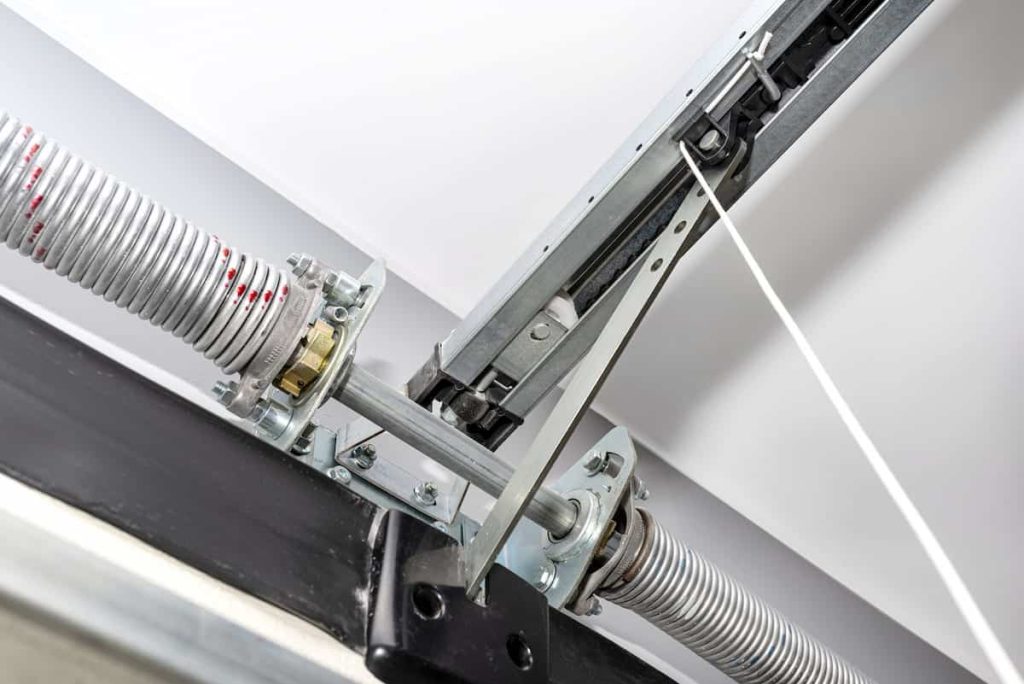
What Happens When a Spring Breaks and What to Do
When a torsion spring breaks, it snaps loudly and suddenly. The opener may still try to move the door, but will not be able to lift it. The door will feel extremely heavy manually.
Do not force the door open or closed. Doing so risks burning out the opener motor, bending the tracks, and pulling cables off the drum, turning a straightforward repair into a much bigger job.
If the vehicle is inside, use the manual release cord with another person helping to slowly lift the door by hand. Prop it open safely, remove the vehicle, then leave the door down and call a professional.
Spring replacement is not a DIY job. These springs are under extreme mechanical tension even after breaking. Improper handling can cause serious injury. This work should always be done by a trained and licensed technician.
When to Call a Professional in Collin County
Call a garage door professional immediately when:
- A loud bang occurred, and the door will not open
- The door is visibly crooked during operation
- A gap is visible in the spring coil
- The door feels dangerously heavy by hand
- Cables are hanging loose or off the drum
For homeowners across Prosper, McKinney, Celina, Allen, Melissa, and Little Elm, choosing a company that specifically serves the Collin County area is the best move. Local technicians know the door brands and spring configurations common to neighborhoods in this part of North Texas.
Spring replacement average costs in the North Dallas area typically fall in the low to mid hundreds, depending on spring type, whether a high-cycle upgrade is chosen, and whether cables or drums need attention at the same time. Always get a written estimate before work begins.
Do Not Wait for the Snap. Stay Ahead of It.
Every garage door spring in Celina, Prosper, McKinney, Allen, Melissa, and Little Elm started counting down from day one. For most families, that countdown ends somewhere between 3 and 7 years. The warning signs are real and visible to anyone who knows what to look for. A quick monthly visual check, lubrication twice a year, and a balance test every few months are all it takes to stay ahead of the problem.
When it is time for garage door repair, make sure the job goes to a licensed professional who knows Collin County. The right spring, properly installed, means years of reliable service and one less thing to stress about on a busy North Texas morning.
Trusted Local Experts Ready to Help When It Counts
Alliance Overhead Door serves homeowners across Prosper, McKinney, Celina, Allen, Melissa, and Little Elm with honest and reliable garage door service. Whether a spring just snapped or an inspection is overdue, our team has the local knowledge to get the job done right the first time. Contact us today or give us a call to schedule a service visit.
Frequently Asked Questions
Can a garage door be used with a broken spring?
No. Operating the door with a broken spring risks damaging the opener motor, bending the tracks, and pulling cables off the drum. Leave the door down and call a licensed technician before using it again. Family Handyman covers what can go wrong with a garage door opener when the system is under stress.
Is it normal for a spring to break without warning?
Not exactly. Most springs show warning signs beforehand, such as uneven movement, increased door weight, or visible rust. Many failures that seemed sudden were actually showing symptoms that went unnoticed.
Should both springs be replaced at the same time?
Yes. In a two-spring system, both springs have gone through the same number of cycles. If one breaks, the other is close behind. Replacing both at once saves a second service call and keeps the door balanced.
What lubricant should be used on garage door springs?
Use white lithium grease or a silicone-based spray formulated for garage doors. Avoid WD-40. It is a degreaser, not a lubricant, and it accelerates rust on spring coils.
Why did a spring break on a newer home?
New construction homes are frequently built with standard builder-grade springs to control costs. A high-use household in a community like Celina or Prosper can reach the 10,000-cycle limit in as little as 3 years.
What is the difference between a torsion spring and an extension spring?
A torsion spring mounts above the door and stores energy by twisting. An extension spring mounts along the side tracks and stores energy by stretching. Torsion springs are more durable and safer when they fail, and are standard in most newer Collin County homes.
Can a broken spring be repaired instead of replaced?
No. A broken garage door spring cannot be welded or repaired. Once it has snapped or lost its tension rating, a full replacement with a properly sized spring is the only safe option.
How much does spring replacement cost in the Celina or Prosper area?
Spring replacement in the North Dallas area typically falls in the low to mid hundreds for a standard job. Upgrading to high-cycle springs or replacing cables and drums at the same time will affect the total. Always request a written estimate first.
Is spring replacement a safe DIY project?
No. Garage door springs are under extreme mechanical tension even after breaking. Improper removal or installation can cause serious injury. This job should always be handled by a trained and licensed garage door technician.