The way a garage door moves can reveal important information about its condition. Under normal operation, the door should open and close smoothly without hesitation or imbalance. When movement begins to change, it often signals developing issues within the garage door system that should not be ignored.
- Smooth movement typically reflects stable and balanced operation
- Shaking or uneven motion may indicate internal mechanical concerns
- Jerky or inconsistent travel often points to alignment or component strain
- Sudden changes in movement can act as early warning signs
- Ongoing movement problems may increase overall system stress
Recognizing these movement-related changes early allows garage door repair issues to be addressed before they escalate. Prompt attention to faulty movement helps maintain safe operation and supports long-term reliability for the garage door system.
How Faulty Movement Signals Garage Door Repair Issues
Unusual garage door movement is often a clear sign that something is wrong within the system. Shaking, uneven motion, or difficulty lifting can indicate worn, misaligned, or malfunctioning components. Loud noises or a door that does not close properly are also common warning signs. Paying close attention to how the door moves can help identify whether the issue relates to the opener system or the door itself. Understanding these movement changes makes it easier to recognize when professional garage door repair may be needed before the problem worsens.
For a deeper look at why addressing these issues matters, explore our related article, How Does Garage Door Repair Impact Home Safety?
Uneven Door Travel During Opening or Closing
Uneven garage door movement is one of the clearest signs that the system is not operating as it should. When a door lifts or lowers at different speeds on each side, it often indicates underlying mechanical stress.
- One side of the door moves faster than the other
- The door appears tilted or misaligned during operation
- Imbalance places extra strain on lifting components
- Uneven travel increases the risk of the door leaving the tracks
When this type of movement continues, it can affect multiple parts of the system. Addressing the cause early helps reduce further strain and supports safer door operation.
Sudden Pausing or Stopping Mid-Operation
A garage door that stops unexpectedly during operation often signals a disruption within the system. These pauses are usually designed responses to detected resistance or irregular movement.
- The door stops before fully opening or closing
- Safety systems may interrupt movement when inconsistencies are detected
- Track interference or internal resistance can halt motion
- Opener settings may cause the door to stop prematurely
Repeated stopping can place additional stress on the opener and door components. Identifying the source of these interruptions helps restore consistent movement.
Irregular Motion That Disrupts Normal Door Flow
Shaking, jerking, or vibrating during operation indicates that garage door components are no longer working smoothly together. These movement changes are often accompanied by unusual noises.
- Jerky or unstable movement disrupts normal operation
- Grinding or rattling sounds suggest increased friction
- Loose or worn parts reduce movement stability
- Vibration places added stress on connected hardware
If irregular motion is left unaddressed, it often worsens over time. Restoring smooth movement supports the reliable performance of garage door openers and helps prevent broader system concerns.
Mechanical Conditions That Affect Garage Door Movement
Faulty garage door movement is often linked to problems with the system’s moving components. While the opener supplies power, the rollers, tracks, and springs guide and support the door as it moves. Wear, misalignment, or tension issues within these parts can lead to noise, uneven motion, or disrupted operation. Identifying the exact cause usually requires a closer evaluation, as similar movement issues can stem from different components. Addressing these concerns helps restore smooth, stable movement and prepares the way for a closer look at how rollers, track alignment, and spring tension affect garage door performance.
To better understand the risks tied to these issues, we recommend reading What Safety Hazards Are Linked to Garage Door Repair?, which explores how movement problems can impact overall safety.
Roller Wear That Interferes With Door Travel
Garage door rollers guide the door along its tracks and play a key role in smooth movement. As these components wear down over time, door travel often becomes less stable and more strained.
- Rollers may crack, rust, or stop rotating properly
- Increased friction causes slow or jerky door movement
- Worn rollers place added strain on connected components
- Severe wear can contribute to the door shifting off track
When roller wear progresses, it can affect the stability of the entire system. Addressing movement disruptions early helps reduce stress on surrounding hardware and supports consistent door operation.
Track Alignment Problems Limiting Smooth Movement
Tracks support the door as it moves up and down and must remain properly aligned to function correctly. Even slight track issues can disrupt movement and increase resistance.
- Bent or misaligned tracks restrict smooth door travel
- Scraping or grinding sounds may occur during operation
- Uneven track spacing can cause the door to bind or stick
- Rollers may slip out of place when alignment worsens
Ongoing alignment problems can lead to instability and safety concerns. Restoring proper track positioning helps maintain reliable movement and balanced door support.
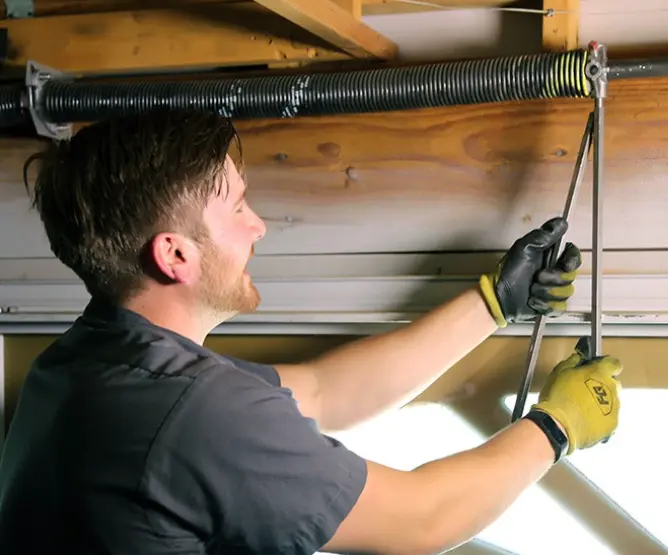
Torsion Spring Tension Issues Impacting Balance
Torsion springs counterbalance the weight of the garage door, allowing it to move smoothly and with control. When spring tension is incorrect, the door’s balance is immediately affected.
- The door may feel heavy or difficult to lift
- Uneven tension can cause the door to lower too quickly
- Opener systems experience added strain when balance is lost
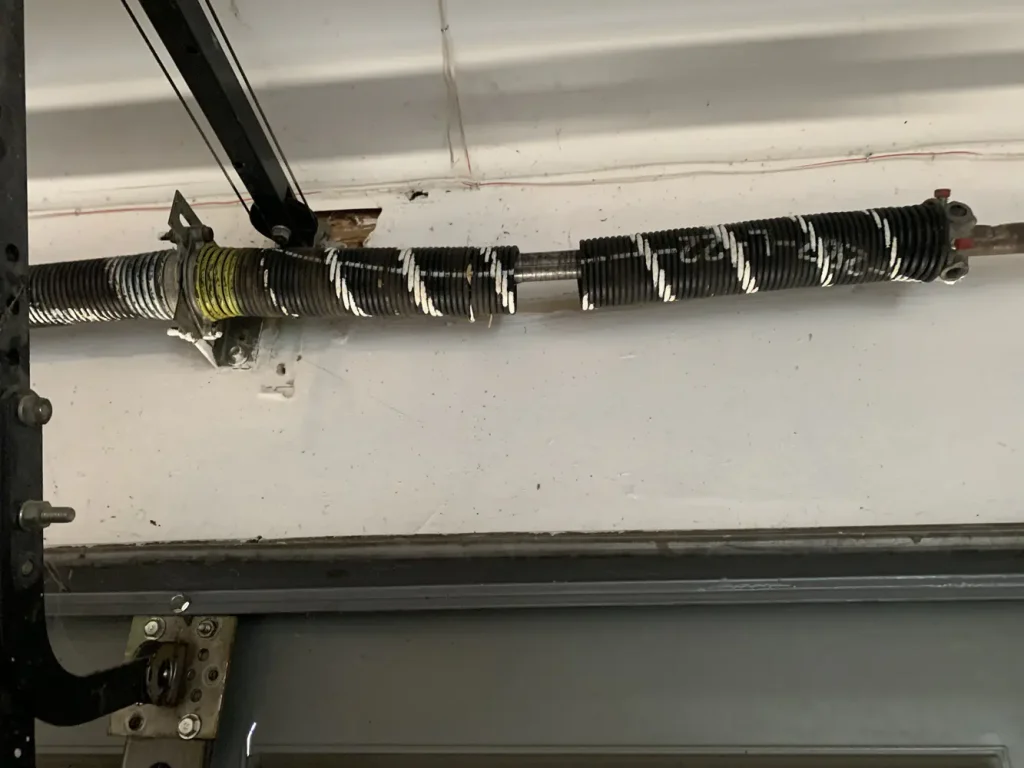
- Visible gaps in springs often indicate loss of tension
Imbalanced spring tension places stress on multiple parts of the system. Addressing these issues through torsion spring replacement helps restore controlled movement and supports long-term garage door performance.
Garage Door Components Commonly Linked to Movement Problems
Beyond the main mechanical components, several garage door parts can influence how the door moves. The opener system, door panels, and supporting hardware all contribute to stable and controlled operation. When these parts wear down or begin to fail, the door may become difficult to move, unstable, or unresponsive. Understanding how these components affect movement helps identify early signs of trouble and sets the stage for a closer look at how opener systems, panels, and hardware issues can disrupt normal garage door operation.
For additional insight into why early attention matters, read When Does Garage Door Repair Prevent Further Damage?, which explains how timely repairs can stop minor issues from escalating.
Opener System Strain Affecting Door Control
The garage door opener manages both movement and control for an automatic garage door. When the opener experiences strain or internal issues, door movement can become inconsistent or unreliable.
- The opener motor runs, but the door does not move
- Straining sounds indicate resistance within the system
- Disconnected drive components disrupt door control
- Electrical or signal issues interrupt normal operation
When opener-related strain continues, it often affects how the entire door system responds. Identifying these movement changes helps distinguish opener issues from mechanical door concerns.
Panel Shifting That Alters Door Stability
Garage door panels form the structure of the door and must remain properly aligned for smooth movement. Damage or wear can cause panels to shift, affecting balance and stability.
- Dented or warped panels disrupt door alignment
- Panel shifting increases friction along the tracks
- Uneven panel positioning places stress on hinges and rollers
- Structural instability leads to rough or jerky movement
When panel alignment is compromised, the door may struggle to operate correctly. Restoring panel stability helps support balanced movement and overall door performance.
Hardware Wear Contributing to Movement Disruptions
Garage door hardware holds the system together and supports the door’s weight during operation. As these components wear down, movement can become unstable and unpredictable.
- Worn hinges allow panels to sag or shift
- Fraying cables reduce lifting stability
- Loose brackets affect track positioning
- Excessive movement stress accelerates hardware wear
Hardware-related movement issues can escalate quickly if left unaddressed. In some cases, ongoing wear may point toward the need for garage door replacements, while maintaining secure, well-functioning components helps preserve smooth door operation and system balance.
When Ongoing Movement Issues Suggest Broader Door Concerns
Recurring garage door movement problems can signal broader system decline rather than isolated issues. When repairs provide only temporary improvement, it often indicates that key components are reaching the end of their functional lifespan. Ongoing movement disruptions can lead to increased frustration and continued system strain. Recognizing when repeated issues suggest a larger underlying concern helps determine whether continued repairs remain effective or if a full garage door replacement should be considered.
Repeated Movement Problems That Do Not Resolve
When garage door movement issues continue despite repeated repairs, it often points to a broader system concern. Ongoing disruptions usually indicate that multiple components are wearing down together rather than a single part failing.
- Movement problems return shortly after repairs
- Different components fail in sequence over time
- Door operation becomes increasingly unpredictable
- Overall system reliability continues to decline
Persistent movement issues suggest the garage door may no longer function dependably. At this stage, evaluating the condition of the entire system helps determine whether continued repairs remain effective.
Structural Stress Affecting Overall Door Function
Irregular garage door movement places repeated stress on the system’s structure. Over time, this strain can affect both the door components and the surrounding framework.
- Jerky motion sends vibration through the tracks and supports
- Repeated stress can bend tracks or loosen hardware
- Heavier doors amplify strain when balance is compromised
- Structural wear increases safety and performance concerns
As structural stress builds, door function becomes less stable. Addressing the root cause of this strain is essential to maintaining safe and consistent operation.
Door Performance Decline Over Time
Gradual performance decline is often the result of long-term wear combined with faulty movement. What begins as minor irregularities can develop into noticeable operational issues.
- Movement becomes slower and less consistent.
- Noise levels increase during operation
- Door balance and alignment deteriorate
- Overall reliability and efficiency decrease
Recognizing performance decline early helps clarify when a garage door is nearing the end of its functional lifespan. Understanding these changes supports informed decisions about the next steps for the system.
Recognizing Garage Door Movement Issues and Their Impact on Safety
Noticing changes in how a garage door moves is essential for maintaining safe and reliable operation. Uneven movement, sudden stops, or rough motion often signal underlying mechanical issues that can worsen over time if left unaddressed. Paying attention to these warning signs helps reduce the risk of further damage and supports long-term performance. Staying aware of movement irregularities allows garage door concerns to be identified early, helping preserve system stability and overall home safety.
For homeowners seeking dependable assistance, Alliance Overhead Door is a trusted provider known for careful workmanship and a strong focus on safety and reliability. Our experienced team understands how movement-related issues affect daily use and home security, and they approach every service with attention to detail and professionalism. If you have concerns about your garage door’s performance, contact us today or give us a call to schedule an inspection or speak with a knowledgeable specialist.
Frequently Asked Questions
What movement-related warning signs suggest a garage door may need repair?
Uneven movement, shaking, sudden stops, or loud grinding and scraping noises often signal internal issues. These signs usually indicate developing mechanical problems that should not be ignored.
How does faulty movement indicate whether the issue is linked to the opener system or the door itself?
If the opener runs but the door does not move, the issue often lies within the opener system. If the door struggles, stops, or feels heavy, the problem is more likely related to door components such as springs or tracks.
What general garage door repair services address movement problems in Celina?
Movement-related services typically focus on correcting issues with rollers, tracks, springs, panels, and opener systems. These services aim to restore balanced and consistent door operation.
Can faulty garage door movement affect overall home safety?
Yes, improper movement can prevent the door from closing securely or operating safely. Mechanical failures may increase the risk of sudden door movement or loss of control. For additional insight into garage door safety features and why proper operation matters, this resource from The Design Inspiration offers helpful context on key safety considerations.
Why does inconsistent garage door movement place extra strain on door components?
Jerky or uneven motion forces components to absorb uneven pressure. Over time, this added strain accelerates wear across the system.
How does improper door balance influence garage door movement patterns?
An unbalanced door may feel heavy, move unevenly, or tilt during operation. This imbalance disrupts smooth movement and places extra stress on lifting components.
Can movement issues signal early structural problems within the garage door system?
Yes, repeated movement issues can loosen hardware, shift panels, or stress the door frame. These early signs often point to developing structural concerns.
Why do movement irregularities often worsen over time if not addressed?
Movement issues tend to spread stress to other components. As more parts are affected, the problem grows and becomes harder to correct.
How does faulty movement impact the long-term performance of a garage door?
Ongoing movement problems accelerate system wear, reduce reliability, and shorten the door’s functional lifespan. For additional background on common garage door concerns and how they affect long-term performance, a helpful overview from The Spruce explains how recurring issues can impact garage door operation over time.
What role does door alignment play in maintaining consistent garage door movement?
Proper alignment allows rollers to move smoothly within the tracks. Misalignment increases friction, disrupts movement, and raises the risk of further damage.