When a garage door stops functioning properly, it can interrupt daily routines and limit access to the home. While repair may seem urgent, it is important to recognize that garage door systems involve complex mechanisms that can present safety risks when issues arise.
- Garage door systems rely on heavy components that operate under significant tension.
- Sudden or uncontrolled movement can increase the risk of physical injury.
- Electrical components add another layer of potential safety concern.
- Improper handling of parts may lead to strain, impact, or crushing hazards.
- Structural issues can cause instability during repair situations.
- Limited visibility or restricted space may worsen safety conditions.
- Unrecognized mechanical failures can escalate risks during operation.
Understanding these safety hazards helps explain why garage door repair situations require careful consideration. Recognizing potential dangers enables more informed decisions when addressing garage door repair concerns.
Common Mechanical Hazards in Garage Door Repair
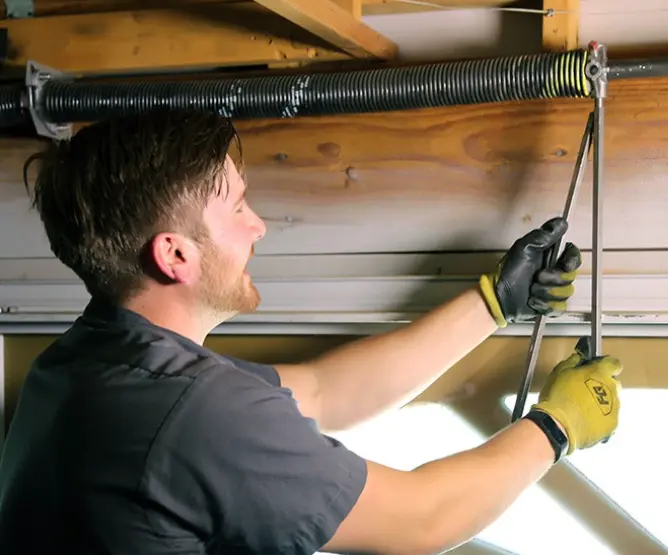
Garage door systems are designed to lift doors that can weigh hundreds of pounds, placing constant stress on key mechanical components. Parts such as torsion springs and cables store significant tension, making them especially dangerous if they fail or are handled incorrectly during repairs. When released suddenly, this stored energy can cause serious safety hazards. Understanding these mechanical risks helps explain why working on high-tension garage door components carries a greater level of danger and requires careful handling.
For a deeper look at how these issues affect overall household protection, see our related article, How Does Garage Door Repair Impact Home Safety?
Torsion Spring Tension and Sudden Release Risks
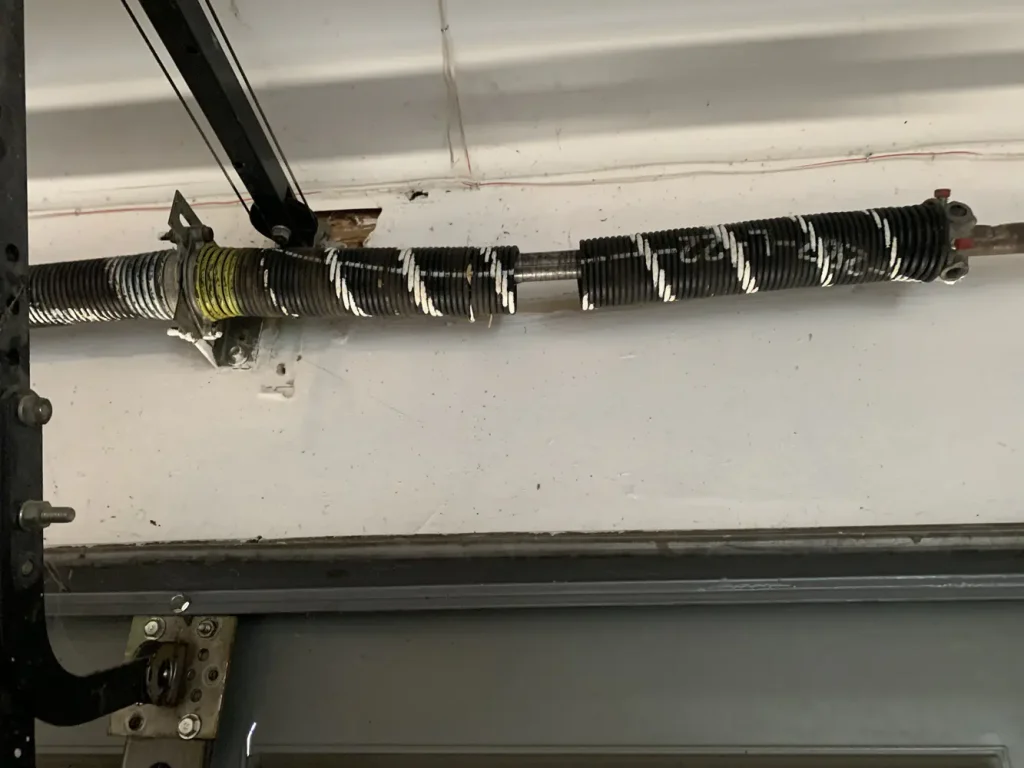
Torsion springs play a critical role in lifting the garage door by storing large amounts of mechanical energy. Because of the tension involved, any failure or disruption in the spring can create serious safety concerns.
- Torsion springs operate under extreme tension to support door movement.
- Sudden spring failure can release stored energy with significant force.
- Broken springs may cause an abrupt door imbalance or uncontrolled motion.
- Rapid movement or metal recoil can lead to injury or property damage.
- Spring condition directly affects overall door stability and safety.
When a torsion spring is damaged or breaks, the garage door can quickly become unsafe to operate. The rapid release of energy makes spring-related failures among the most dangerous mechanical hazards in garage door systems.
Cable Wear and High-Tension Snap Dangers
Garage door cables work alongside springs to control lifting and lowering. Over time, constant load and friction can weaken these cables, increasing the risk of sudden failure.
- Cables remain under continuous tension during door operation.
- Wear or corrosion can reduce cable strength and reliability.
- Cable failure may cause the door to drop unevenly or unexpectedly.
- Snapped cables can recoil with dangerous force.
- Cable damage often contributes to overall system imbalance.
When a cable fails, the loss of support can make the door unstable and hazardous. Because cables help manage the door’s weight, any deterioration significantly increases safety risks during operation.
Door Collapse Caused by Structural Imbalance
A properly balanced garage door should move evenly and remain stable throughout operation. Structural imbalance occurs when critical components no longer support the door correctly.
- Imbalance causes uneven movement and excessive strain on components.
- Off-track rollers can make the door unstable and unpredictable.
- Damaged panels weaken the door’s ability to support its own weight.
- Uneven loading increases stress on tracks and support hardware.
- Severe imbalance can lead to partial or complete door collapse.
Structural imbalance is a serious safety concern because it compromises the door’s ability to stay secure and places additional strain on garage door openers. Without proper balance, the door may fail suddenly, creating dangerous conditions for people and property nearby.
Physical Injury Risks During Garage Door Repairs
Garage door repair work can pose safety risks beyond broken components, given the system’s weight and moving parts. Handling heavy panels, working near tracks, or dealing with high-tension mechanisms can lead to injuries ranging from minor cuts to serious strain or crushing incidents. Even routine repair situations can become hazardous when components move unexpectedly or when force is released. Understanding these physical risks helps explain why garage door repairs are often associated with a higher likelihood of injury.
To better understand how abnormal operation can indicate deeper issues, explore How Can Faulty Movement Signal Garage Door Repair.
Pinch and Crush Injuries from Moving Components
Garage doors rely on multiple moving sections that travel along tracks and hinges. These areas create tight spaces where body parts or clothing can easily become trapped during movement or unexpected shifts.
- Panel joints and hinges can pinch fingers or hands during motion.
- Tracks and rollers create crush points near the door’s path.
- Sudden door drops can trap limbs beneath the door’s weight.
- Unstable doors may shift unexpectedly during repair situations.
- Off-track sections can snap back into place without warning.
Because garage door components move with significant force, pinch and crush injuries are among the most serious physical risks associated with garage door repairs. Even brief contact with moving parts can result in severe injury.
Strain Injuries from Handling Heavy Door Sections
Garage doors are designed to be lifted by spring systems that offset their weight. When this balance is disrupted, the true heaviness of the door and its panels becomes a major safety concern.
- Door sections can weigh far more than they appear.
- Lifting unsupported panels increases strain on the back and shoulders.
- Awkward positioning places stress on muscles and joints.
- Uneven weight distribution can cause sudden loss of control.
- Dropped panels can cause injury and structural damage.
Strain-related injuries often occur when the door’s weight is underestimated. Without proper balance and support, handling garage door sections places significant physical stress on the body.
Cuts and Lacerations from Damaged Door Panels
Garage door panels can become hazardous when damaged by impact, age, or wear. Cracks, bends, and deterioration often expose sharp or rough surfaces.
- Bent or torn metal can create sharp cutting edges.
- Splintered wood panels may expose pointed fragments.
- Cracked fiberglass can leave jagged, abrasive surfaces.
- Rusted areas may flake and cause skin injuries.
- Exposed hardware can protrude with sharp points.
Even minor panel damage can increase the risk of cuts and lacerations, especially when combined with related issues such as torsion spring replacement. These hazards are not always obvious, making damaged door surfaces a common source of unexpected injury during garage door repair situations.
Electrical and Automation-Related Safety Concerns
Modern garage door systems rely on electrical and automated components to operate efficiently, but these features also introduce added safety concerns. Issues such as faulty wiring, damaged circuit boards, or misaligned safety sensors can increase the risk of electrical shock or cause the door to operate unpredictably. When safety features fail to function properly, the door may not respond as intended, creating hazardous conditions. Understanding how electrical and automation-related faults affect garage door operation helps explain their role in potential safety risks.
For insight into how timely attention can limit escalating issues, read When Does Garage Door Repair Prevent Further Damage?
Electrical Exposure During Garage Door Opener Repairs
Garage door openers are powered by household electricity, which introduces safety risks when electrical components are involved. Wiring, internal circuits, and power connections can become hazardous when damaged or handled improperly.
- Live electrical components may expose individuals to shock risks.
- Worn or damaged wiring can lead to short circuits.
- Faulty connections may cause erratic system behavior.
- Electrical failures can damage internal control boards.
- Overheating components may increase fire-related concerns.
Electrical issues within a garage door opener can affect both safety and reliability. Because these components rely on precise connections, even minor electrical faults can create serious hazards.
Sensor Malfunctions and Obstruction Detection Failures
Safety sensors are designed to detect objects in the door’s path and prevent dangerous closure when these sensors malfunction, a critical layer of protection is lost.
- Misaligned sensors may fail to detect obstructions.
- Dirty or blocked lenses can interrupt detection signals.
- Intermittent sensor function may cause inconsistent door behavior.
- Electrical faults can disable sensor communication.
- Failed sensors may allow the door to close without stopping.
When obstruction detection does not work properly, the garage door may operate without recognizing hazards below it. This significantly increases the risk of injury or damage during door operation.
Unexpected Door Movement from Control Errors
Automated garage doors rely on control signals to open and close as intended. When control systems fail, the door may move without warning.
- Faulty remotes may send unintended signals.
- Wall switch wiring issues can trigger unplanned movement.
- Circuit board errors may activate the motor unexpectedly.
- Signal interference can disrupt normal operation.
- Control failures may cause sudden opening or closing.
Unexpected door movement is one of the most dangerous automation-related issues and can become even more concerning during garage door replacements. Without warning, a sudden operation can place people or property in harm’s way.
Environmental and Equipment-Related Safety Issues
Garage door repair safety is influenced not only by the system itself but also by the surrounding work environment. Cluttered spaces, uneven floors, poor lighting, and limited movement areas can increase the likelihood of slips, falls, or loss of balance. Unstable work surfaces and improper positioning increase the risk of accidents, especially when ladders or tools are involved. Understanding how environmental conditions affect repair safety helps explain why garage door work areas can pose additional hazards.
Tool Instability and Unsafe Work Equipment
Garage door repairs often require the use of powered and hand tools, which can introduce safety risks if the equipment is unstable or malfunctioning. Improper tool performance can quickly turn routine tasks into hazardous situations.
- Unstable tools can slip or shift during use.
- Faulty wiring may cause unexpected power interruptions or surges.
- Malfunctioning equipment can behave unpredictably.
- Lack of proper tool control increases the risk of injury.
- Equipment failure may worsen existing repair hazards.
When tools do not function as intended, the risk of accidents increases significantly. Tool instability can compromise control and precision, making garage door repair work more dangerous.
Ladder-Related Hazards During Elevated Repairs
Many critical garage door components are positioned above ground level, requiring elevated access. Working at height introduces balance and fall-related risks.
- Unstable ladder placement can lead to sudden slips.
- Uneven or slick floors reduce ladder traction.
- Overreaching can shift weight and cause loss of balance.
- Carrying items while climbing increases the risk of falling.
- Limited hand support reduces stability during movement.
Falls from ladders are a serious concern during garage door repairs. Elevated work combined with heavy components or restricted movement significantly raises the likelihood of injury.
Limited Visibility and Restricted Work Areas
Garages are often poorly lit and crowded, creating challenging conditions for repair work. Reduced visibility and tight spaces can make it difficult to identify hazards or move safely.
- Poor lighting can hide sharp edges or worn components.
- Shadows may obscure moving or energized parts.
- Cluttered areas increase tripping hazards.
- Limited space restricts safe positioning and movement.
- Narrow work zones reduce reaction time during sudden events.
When visibility is low and space is restricted, even minor mistakes can lead to injury. These environmental factors compound existing mechanical risks during garage door repair situations.
Recognizing Safety Risks in Garage Door Repair
Understanding the risks associated with garage door repair is important for both homeowners and workers. Hazards can arise from high-tension components like torsion springs as well as from electrical issues within automated opener systems. Awareness of these potential dangers helps reduce the likelihood of injury and supports safer decision-making. Recognizing and addressing safety risks contributes to a more secure environment and helps maintain proper garage door operation.
For homeowners seeking dependable support when garage door issues arise, Alliance Overhead Door is a trusted choice known for careful workmanship and a strong focus on safety. Our experienced team understands how mechanical and electrical problems can affect home security and daily routines, and they approach each situation with attention to detail and reliability. If you need professional assistance or want expert insight into your garage door concerns, contact us today or give us a call to schedule a service or consultation.
Frequently Asked Questions
What safety risks are associated with torsion spring repairs?
Torsion springs store extreme tension, and sudden release can cause serious injury or damage. Spring failure often results in rapid, forceful movement that is difficult to control.
How can garage door opener malfunctions contribute to safety hazards?
Opener malfunctions can lead to electrical risks, loss of safety features, or unpredictable door movement, increasing the chance of injury or property damage.
What safety concerns are linked to improper garage door installation?
Improper installation can cause imbalance, track misalignment, and excessive strain on components, raising the risk of door failure or collapse.
How can worn garage door cables increase the risk of sudden failure?
Worn garage door cables can weaken over time and may snap under tension, causing the door to drop unevenly or without warning, which significantly increases safety risks, as explained by Networx.
What dangers are associated with unexpected garage door movement during repairs?
Unexpected movement can lead to crushing or pinching injuries, especially when the door shifts suddenly near moving components.
Why do damaged garage door panels pose safety concerns?
Damaged panels may expose sharp edges or weaken the door’s structure, increasing the risk of cuts or door instability.
How can faulty safety sensors affect garage door operation?
When sensors fail, the door may not detect obstructions, allowing it to close without stopping and increasing injury risk.
What physical strain risks are linked to garage door component handling?
Handling heavy door components can place excessive stress on muscles and joints, leading to strain-related injuries.
How do electrical faults in garage door systems create safety hazards?
Electrical faults can cause shock risks, fire hazards, or erratic door behavior due to damaged wiring or internal failures, as outlined by Angi.
Why can unstable work surfaces increase garage door repair hazards?
Uneven or slippery surfaces increase the risk of falls, especially when working near heavy components or elevated areas.