A garage door plays an important role in daily access and overall home safety. Because it relies on many connected components, even a small issue can affect the system as a whole if not addressed early.
- Garage doors depend on multiple parts working together for smooth operation.
- A single malfunctioning component can place added strain on surrounding parts.
- Small mechanical issues can gradually lead to larger system problems.
- Ongoing garage door issues may reduce safety and everyday convenience.
- Early signs of trouble often indicate developing mechanical stress.
- Timely garage door repair helps limit further damage and supports long-term performance.
- Proper operation contributes to a more secure and reliable garage door system.
Addressing concerns as soon as they appear through timely garage door repair helps prevent minor issues from escalating. A well-maintained garage door supports safer operation and provides peace of mind through consistent performance.
Common Situations Where Garage Door Repair Prevents Escalating Damage
Many garage door issues begin as minor concerns but can escalate quickly if left unaddressed. Opener irregularities, uneven movement, or misaligned tracks often signal developing system strain that can affect both safety and daily operation. Addressing these warning signs early helps prevent further damage, supports reliable performance, and reduces the risk of unexpected door behavior.
For a deeper look at how these issues connect to overall household protection, explore our related blog, How Does Garage Door Repair Impact Home Safety?
Early Opener Irregularities That Disrupt Normal Door Function
The garage door opener plays a central role in how smoothly the door operates. When the opener begins to show irregular behavior, it can signal developing issues that affect the entire system.
- Inconsistent response to wall controls or remotes
- Unexpected opening or closing activity
- Motor operation without corresponding door movement
- Grinding or straining noises during use
- Repeated interruptions in normal door function
If these conditions persist, they can add stress to internal components and surrounding hardware. Addressing opener irregularities early helps limit further strain and supports reliable garage door operation.
Uneven or Jerky Door Movement That Increases Mechanical Stress
Smooth door movement depends on balanced and properly functioning components. When a garage door moves unevenly or jerks during operation, it often points to resistance or a mechanical imbalance.
- Sudden stops or inconsistent movement along the track
- Grinding or loud noises during opening or closing
- Increased vibration as the door travels
- Resistance that forces the opener to work harder
- Reduced smoothness over time
Left unaddressed, uneven movement can accelerate wear across the system. Early attention helps reduce unnecessary stress on the opener, tracks, and connected parts.
Track and Wheel Alignment Issues That Affect Door Stability
Proper alignment of tracks and wheels allows the garage door to move securely and predictably. Misalignment can compromise stability and place the door under unnecessary strain.
- Visible gaps between the wheels and the track
- Scraping or grinding sounds during operation
- Shaking or tilting as the door moves
- Inconsistent travel along the track path
- Reduced overall door stability
Alignment issues can worsen if the door continues to operate under stress, placing added strain on garage door openers and related components. Addressing these conditions early helps maintain structural balance and supports safer garage door performance.
Structural and Mechanical Problems That Worsen Without Timely Repair
Some garage door problems are not immediately noticeable but can cause significant damage over time. Issues such as panel damage, worn springs, or deteriorating cables may seem minor at first, yet they can gradually strain the entire system if left unaddressed. As these conditions worsen, they place added pressure on connected components, increasing the risk of larger mechanical failures and making timely attention essential to prevent further damage.
To better understand the risks involved, read our related article, What Safety Hazards Are Linked to Garage Door Repair?
Panel Damage That Weakens Overall Door Integrity
Garage door panels form the main structure of the door, so any damage can affect both strength and performance. Even minor panel issues can signal deeper structural stress.
- Dents or cracks can reduce the door’s overall strength
- Warped panels may disrupt proper door alignment
- Imbalance can force the opener to work harder
- Gaps or damage can affect temperature control inside the garage
- Structural weakness can increase noise and instability during operation
When panel damage is left unaddressed, it can spread stress across the entire system. Early attention helps maintain door stability and prevents further structural decline.
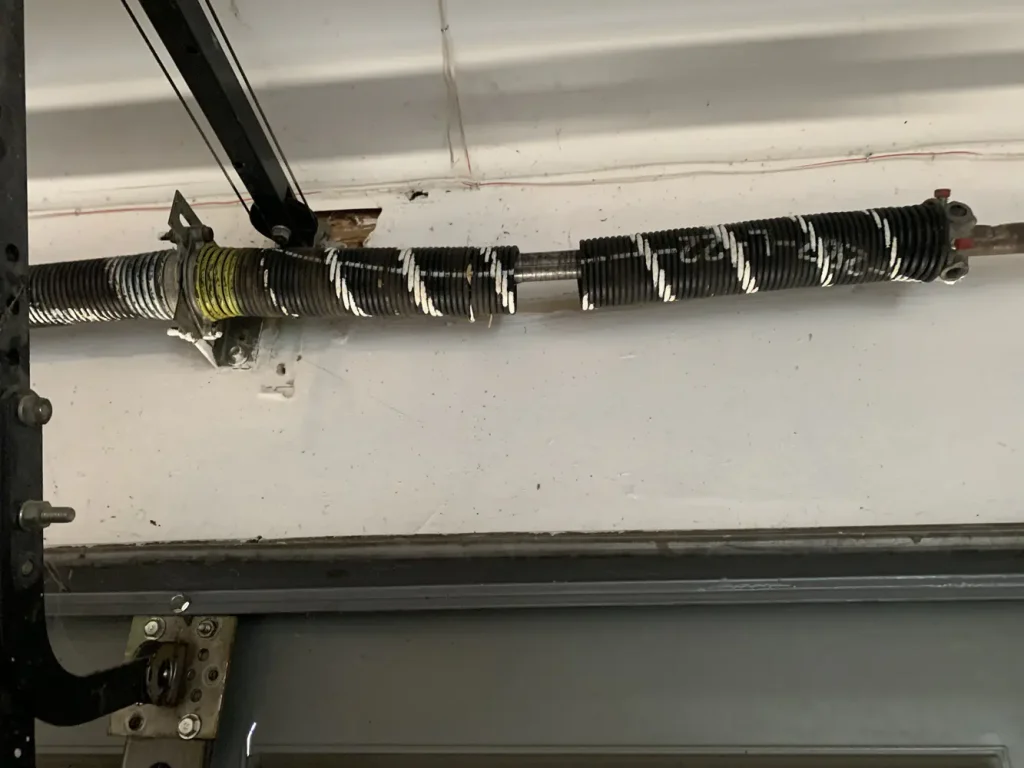
Torsion Spring Wear That Alters Door Balance
Torsion springs support the weight of the garage door during operation. As these springs wear down, door balance and system performance can be affected.
- Loss of spring tension can make the door feel heavier
- Imbalanced doors place added strain on the opener
- Worn springs can disrupt smooth opening and closing
- Sudden spring failure can cause uncontrolled door movement
- Ongoing imbalance accelerates wear on other components
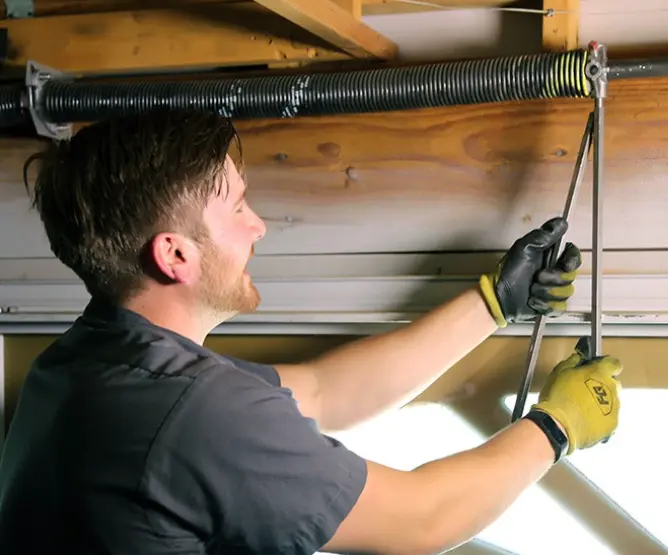
Addressing torsion spring wear early helps restore proper balance and reduces strain throughout the garage door system.
Cable Deterioration That Impacts Controlled Operation
Garage door cables work closely with the springs to ensure smooth, safe operation. Over time, constant tension can cause these cables to weaken.
- Fraying or rust indicates reduced cable strength
- Stretched cables can affect door balance
- Uneven lifting may cause the door to tilt or bind
- Cable failure can damage tracks, rollers, or panels
- Loss of control increases the risk of sudden door movement
Early attention to cable deterioration, along with timely torsion spring replacement, helps maintain controlled operation and prevents sudden system disruptions that can lead to further damage.
How Timely Garage Door Repair Helps Limit System-Wide Strain
A garage door system relies on all components working together in balance. When one part becomes weak or damaged, added strain is placed on the rest of the system, which can accelerate wear and reduce overall performance. Addressing issues early helps relieve unnecessary stress, supports smoother operation, and allows the system to function as intended. Timely attention also helps preserve long-term efficiency and reduces the likelihood of larger mechanical failures developing over time.
For more insight into early warning signs, explore our related post, How Can Faulty Movement Signal Garage Door Repair?
Preventing Small Mechanical Issues From Spreading Across Components
Minor garage door issues can place added strain on surrounding parts when left unaddressed. What begins as a small misalignment or loose component can gradually affect the entire system.
- Misaligned sensors can interrupt movement and strain the opener
- Loose hinges may shift panels out of position
- Worn rollers can create resistance along the track
- Small bends in tracks can alter door alignment
- Continued strain accelerates wear across multiple components
Addressing minor concerns early helps contain problems before they spread. This supports balanced operation and reduces the likelihood of broader system damage.
Reducing Excess Pressure on Tracks, Hinges, and Rollers
Tracks, hinges, and rollers are designed to guide smooth, even door movement. When the system becomes imbalanced, these components absorb excess pressure.
- Uneven movement increases side stress on tracks
- Off-balance doors place an added load on hinges
- Rollers may wear unevenly under constant resistance
- Increased friction can affect cables and fasteners
- Misaligned tracks can worsen over time
Limiting excess pressure helps preserve the condition of key components. Balanced operation allows these parts to function as intended without unnecessary strain.
Maintaining Consistent Door Movement to Avoid Secondary Damage
Consistent movement is a key indicator of a healthy garage door system. Irregular motion often signals developing mechanical issues that can affect other components.
- Jerky or uneven travel can damage rollers over time
- Track imperfections may cause repeated friction points
- Extra resistance increases strain on the opener
- Door panels may absorb uneven stress during movement
- Continued inconsistency can lead to system misalignment
Maintaining steady door movement helps prevent secondary damage and reduces the likelihood of unexpected garage door replacements. Early attention to irregular operation supports smoother performance and long-term system stability.
Why Addressing Garage Door Issues Early Supports Long-Term Performance
Caring for a garage door system over the long term requires addressing issues before they worsen. Early attention helps limit accumulating damage, supports smoother operation, and extends the lifespan of the entire system. By responding to concerns as they arise, the garage door remains more reliable over time, helping protect both performance and overall home function.
Supporting Reliable Operation Through Early Mechanical Corrections
Reliable garage door operation depends on all mechanical components working together as intended. Addressing small mechanical irregularities early helps maintain predictable and consistent performance.
- Minor mechanical inconsistencies can disrupt smooth door operation
- Early corrections help maintain proper system balance
- Reduced strain supports longer component lifespan
- Consistent movement protects interconnected parts
- Stable operation helps prevent escalating mechanical stress
By addressing mechanical concerns early, the garage door system can continue operating smoothly. This supports dependable daily use and reduces the likelihood of larger system disruptions.
Lowering the Risk of Unexpected Door Behavior
Unexpected garage door movement often signals underlying mechanical or balance-related issues. Early attention helps reduce the risk of sudden or irregular door operation.
- Worn components can cause unpredictable door movement
- Imbalance may affect controlled opening and closing
- Sensor-related irregularities can disrupt normal function
- Increased strain can interfere with safety-related responses
- Ongoing wear raises the likelihood of abrupt system behavior
Reducing unexpected door behavior supports safer and more predictable operation. Early attention helps maintain control and reliability throughout the system.
Preserving Door Function and Structural Stability Over Time
Long-term garage door performance depends on preventing small issues from developing into structural problems. Ongoing wear can gradually weaken both function and stability if left unaddressed.
- Minor wear can place added stress on connected components
- Repeated strain may affect tracks, panels, and alignment
- Loss of balance can accelerate structural fatigue
- Door function may decline as components wear unevenly
- Structural instability can affect overall system performance
Preserving door function over time requires limiting the progression of wear. Early attention helps maintain structural stability and supports reliable garage door operation year after year.
Why Timely Garage Door Repair Protects Safety and Long-Term Performance
Addressing garage door issues as soon as they appear helps maintain safety and reliable operation. Small problems can quickly develop into larger mechanical concerns if left unaddressed, potentially affecting the strength and stability of the entire system. Early attention supports long-term performance, reduces the risk of unexpected breakdowns, and helps ensure the garage door continues to function smoothly and securely over time.
For homeowners looking for dependable support, Alliance Overhead Door is a trusted provider known for careful workmanship and a strong focus on safety and reliability. Our experienced team understands how mechanical and operational issues can impact daily routines and home security, and they take a thorough approach to restoring proper door function. If you notice signs of trouble or want added peace of mind, contact us today or give us a call to schedule a professional inspection or service appointment.
Frequently Asked Questions
When does a garage door opener issue indicate repair rather than system failure?
An opener issue often points to repair when the problem is isolated, such as an inconsistent response or unusual noise. Ongoing failures across multiple functions or severe internal damage may indicate broader system failure.
Which types of garage door problems are most likely to worsen if left unaddressed?
Problems involving load-bearing or alignment components, such as springs, cables, or panels, tend to worsen over time and can affect overall system balance and operation.
Why does torsion spring wear often lead to additional garage door damage over time?
As torsion springs lose strength, the door becomes unbalanced, forcing other components to absorb excess strain, which accelerates wear across the system.
How can delayed garage door repair affect the alignment of the entire door system?
Unresolved issues can cause uneven movement, gradually pulling tracks out of position and increasing friction, which affects door stability and alignment, as further explained by Yours Truly Handmade.
What role does door balance play in preventing strain on garage door components?
Proper door balance ensures the weight is evenly supported, reducing stress on the opener, cables, rollers, and tracks during operation.
How does repeated uneven movement contribute to long-term garage door damage?
Repeated jerking or dragging motion concentrates stress on specific components, leading to accelerated wear and potential system failure over time.
Why can minor track irregularities lead to larger operational problems over time?
Small track defects create repeated friction points that wear down rollers and strain the opener, gradually causing alignment and movement issues.
How do sensor-related issues influence overall garage door function and safety?
Sensor problems can interrupt normal door operation and prevent safety responses, increasing the risk of improper or incomplete door movement.
What impact does structural panel damage have on the performance of the garage door?
Panel damage weakens structural integrity, disrupts door balance, and places added strain on connected components during operation, as outlined by Networx.
How can ongoing garage door wear affect daily operation if not addressed early?
Gradual wear reduces smooth movement, increases noise, and causes components to work harder, leading to declining performance and reliability.