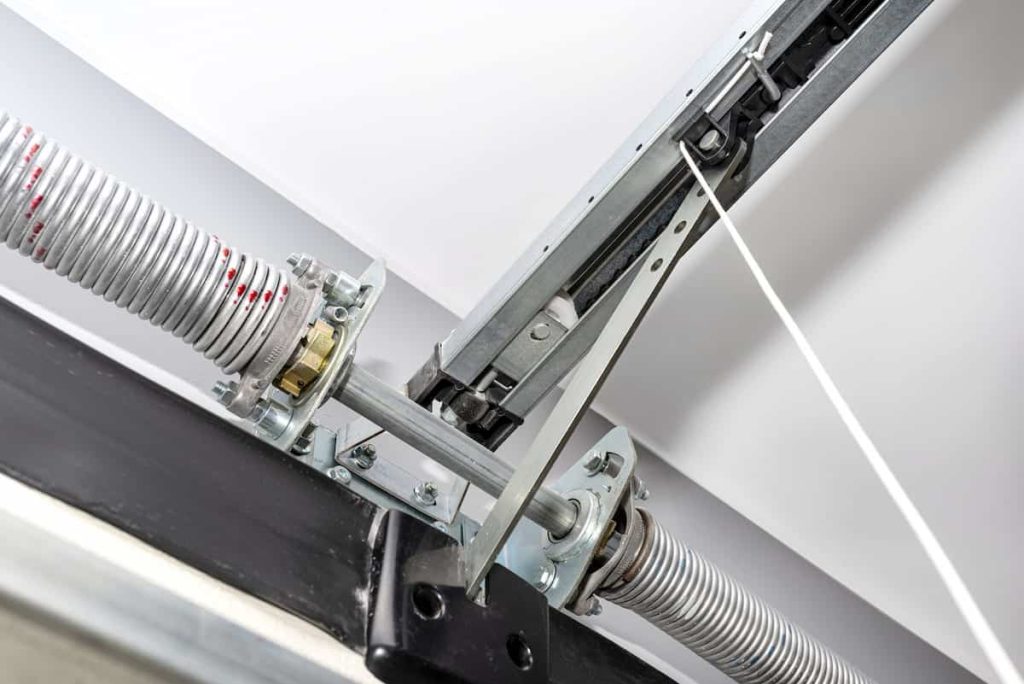
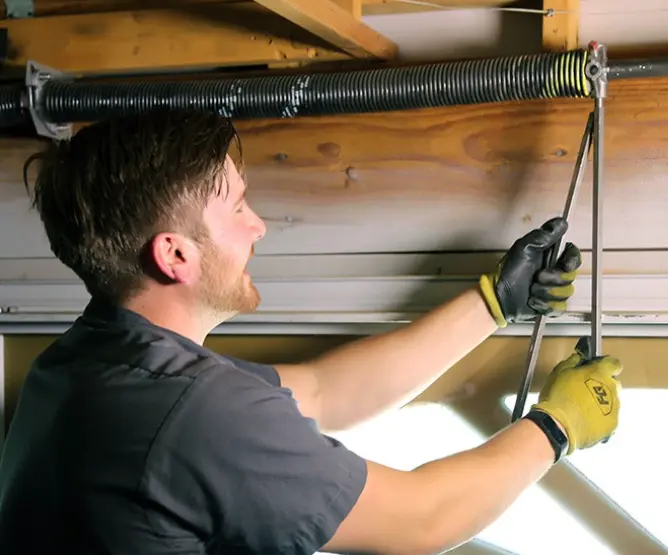
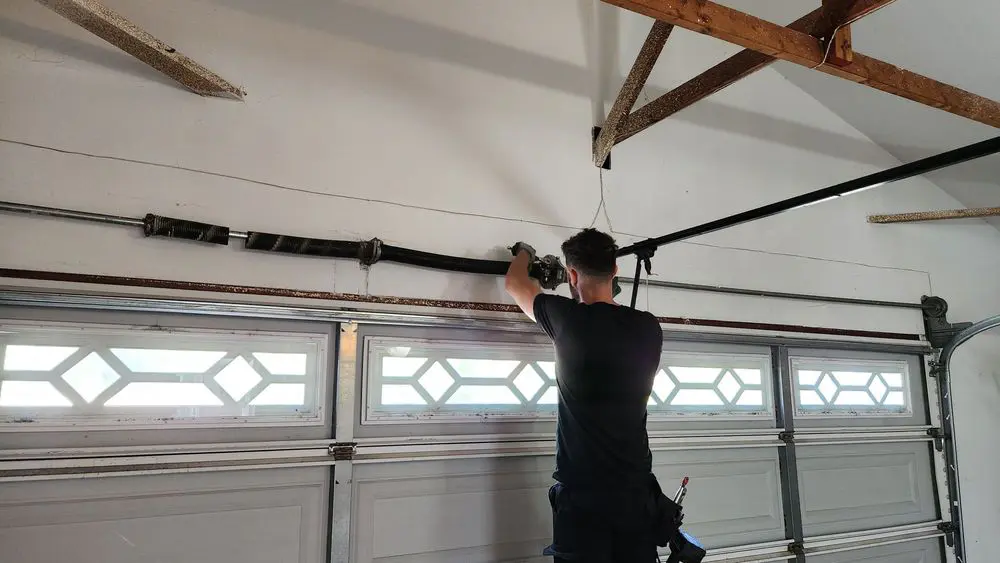
Many homeowners assume visible panel damage means the entire door must be replaced. In reality, the proper service choice depends on the location of the damage, section availability, and whether the door still moves safely without binding or misalignment. Panel condition is often reviewed alongside related factors such as lifting balance and tension, especially when issues overlap with torsion spring replacement considerations during a professional inspection.
Understanding when garage door panel replacement is truly needed helps homeowners avoid unnecessary disruption while still protecting safety and reliable closure. Some damage is cosmetic, while cracks near hinge points or warping that changes travel can quickly increase the risk. A professional evaluation provides clarity by assessing the structure, alignment, and how the door loads hardware during each cycle.
When Replacement Is Not Required, and Repair Still Makes Sense
Many panel issues can be stabilized when the structure remains sound, and the damage is away from load-bearing points. A professional can confirm whether the panel still supports hinges and rollers correctly and whether the door seals evenly. Repair can also be practical when matching sections are unavailable, yet the damage is minor and not spreading.
Situations that often support repair include:
- Minor dents on flat areas away from hinges and seams
- Minor surface scratches that do not weaken the structure
- Light cosmetic fading that does not affect sealing
- Stable panels with no cracking near fasteners
- Door travel remains smooth with no rubbing or binding
In these cases, professional garage door panel repair can restore appearance and stability while protecting alignment. A technician can also confirm whether hardware wear is contributing to panel stress.
For a complete overview of panel function and timing guidance, visit our blog, “How Do Garage Door Panels Work and When to Replace?”
Damage Types That Often Make Panel Replacement the Safer Option
Some damage increases risk because it affects structural components that carry the load in every cycle. Cracks near hinges can spread, seam separation can weaken stiffness, and warping can change track travel alignment. When the door becomes harder to control, replacement becomes more likely.
Damage types that often support replacement planning include:
- Cracks that spread from hinge screws or roller bracket areas
- Warping that causes rubbing or repeated opener reversals
- Rust-through or rot that weakens the fastener’s hold strength
- Seam separation that affects stiffness and sealing
- Multiple sections showing broad deterioration
Homeowners often ask about garage door panel replacement after noticing cracks near load points, especially when the door begins moving unevenly. Questions about garage door panel replacement costs are common during planning, but recommendations depend on the door model, section availability, insulation design, and the condition of surrounding hardware.
For early warning signs that appear before high-risk damage develops, check our article, “How Can You Spot Early Signs of Garage Door Panel Problems?“
Why Door Alignment and Safety Can Change After Panel Damage
Panel damage can change hinge geometry and section spacing. Even a slight bend near a seam can alter how sections meet during travel, increasing friction and vibration. Misalignment can also transfer stress to rollers and tracks, increasing the risk of a larger failure.
Alignment-related warning signs include:
- The door looks out of square when closed
- One side drags or rubs during movement
- The opener pauses or reverses at the same spot repeatedly
- The door rattles or shakes during travel
- Gaps appear along seals or between sections
A professional assessment can determine whether the door remains safe to operate or whether replacement planning is the safer path. Many homeowners schedule emergency garage door repair when they notice movement, as a misaligned door can worsen damage.
For a deeper look at damage causes, visit our blog, “What Typically Causes Garage Door Panel Damage Over Time?“
When to Replace One Panel or the Entire Garage Door
Garage door replacement decisions usually fall into three options: replacing one panel, replacing multiple panels, or replacing the door as a complete system. The best choice depends on panel availability, door condition, hardware support, and safety. A careful evaluation helps identify the option that restores dependable operation without creating future issues.
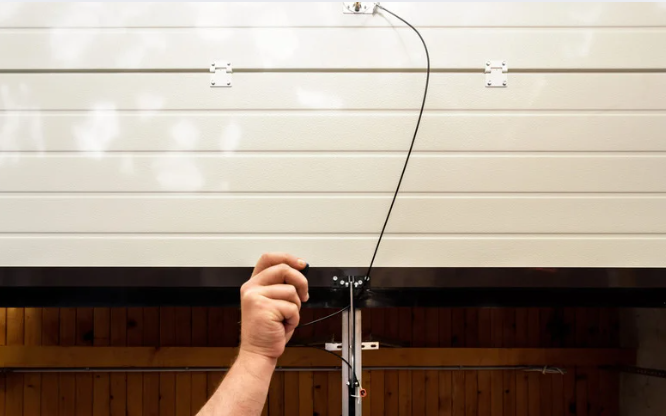
Panel Availability and Door Compatibility
One of the first factors considered is whether a compatible panel is available for the existing door. Many newer models allow individual section replacement with consistent size, profile, and insulation. Older or discontinued doors may not have matching sections, which can lead to alignment issues, sealing gaps, or uneven movement if a single panel is replaced.
Overall Door Condition
Replacing a single panel is most effective when the remaining sections are structurally sound. If several panels show signs of wear, corrosion, or loss of rigidity, addressing only one area may not deliver stable results. Professionals assess how the entire door responds to daily use and whether the remaining sections can continue to support smooth, controlled movement.
Hardware and Support Components
Garage door panels depend on hinges, rollers, tracks, springs, and cables for proper operation. Worn or misaligned hardware can transfer additional stress to a new panel and shorten its service life. During inspection, technicians assess whether existing components can support a partial repair or if broader updates are needed to maintain balance. These symptoms are commonly associated with spring failure and are outlined by Tevema.
Safety and Operating Stability
If a door struggles to close securely, moves unevenly, or shows unstable travel, replacing a single panel may not resolve the underlying concern. These conditions can affect safe use and increase the risk of additional damage. In these cases, replacing the door as a complete system often provides a more predictable and secure result.
Long-Term Performance Planning
Replacement decisions should account for how the door will perform over time, not just the immediate issue. While single-panel replacement can be effective for isolated damage, repeated repairs or widespread deterioration often indicate that a complete system update is the more practical solution. A professional evaluation helps align the approach with long-term reliability and consistent operation.
Choosing between replacing the panel and the entire garage door depends on the condition, compatibility, and performance requirements. A structured assessment supports informed decisions and helps avoid unnecessary repeat work.
A complete garage door replacement is often the smarter long-term option when panel repairs no longer ensure safe, stable operation. While replacing a single section can address isolated damage, broader issues typically indicate a system-level decline. A professional evaluation looks beyond appearance to assess structure, movement, and long-term reliability.
Limited panel matching
Older or discontinued doors often lack compatible replacement panels. Mismatched sections can affect fit, insulation, and alignment, leading to uneven movement and future service issues. When proper matching is not possible, replacement avoids ongoing compromises.
Widespread panel damage
Rust, rot, cracking, or seam separation across multiple panels usually indicates overall deterioration of the door. Replacing individual sections in these cases rarely restores strength or stability. Replacement addresses the entire door rather than isolated symptoms.
Warping and binding
Doors that flex or bind during operation place constant strain on hardware and openers. Warping across several sections also affects sealing at the floor and jambs.
Safety and security risks
If the door cannot close securely or behaves unpredictably, safety becomes a priority. Emergency garage door repairs may restore temporary closure, but ongoing instability often means complete replacement is the safer solution.
Hardware overload
Weakened panels shift additional load onto hinges, rollers, tracks, and springs. This imbalance accelerates wear and increases the risk of failure. In some cases, full door replacement restores proper weight distribution and hardware alignment.
High daily use
Residential garage doors that cycle frequently benefit from consistent panel strength and alignment. When heavy use combines with aging sections, complete replacement usually delivers better reliability than repeated panel repairs.
Professional evaluation
A qualified technician can confirm whether a complete garage door replacement offers better long-term results than ongoing repairs. Clear guidance helps homeowners reduce future disruptions and maintain dependable daily operation.
Service Options for Common Panel Damage Scenarios
A quick comparison chart can help homeowners understand how a professional typically handles common panel damage. Final direction depends on the garage door model, the location of the damage within the section, and the overall condition of the system.
| Panel Scenario | What It Often Means | Repair vs Replacement Direction | Professional Focus |
| Small dent away from seams | Cosmetic change | Repair often fits | Confirm alignment and stability |
| Crack near hinge screws | Load-point stress | Replacement more likely | Inspect fastener hold and section integrity |
| Warping that causes rubbing | Alignment drift | Replacement often recommended | Check track travel and hardware stress |
| Rust-through on a section | Loss of strength | Replacement recommended | Assess material integrity and matching options |
| Several sections deteriorating | System-wide decline | Full replacement may fit | Review long-term reliability |
Using scenario-based guidance helps homeowners ask better questions during the evaluation process. A professional can confirm whether repair is realistic or whether replacement improves safety and long-term reliability.
Choose a Safe, Practical Path Based on Door Condition
Full replacement is not always necessary; however, structural damage at hinge points, widespread deterioration, or travel misalignment may make replacement the safer option. A professional evaluation helps homeowners determine whether repairs can stabilize the door or whether replacement is the better long-term option. Clear decisions protect safe closure, reduce hardware strain, and support dependable daily access.
Alliance Overhead Door helps homeowners choose the safest next step by evaluating door condition, section integrity, and alignment concerns that affect daily performance. Our technicians explain whether targeted repair can restore dependable operation or whether replacement planning is the more practical option for long-term reliability. Contact us today or call now to schedule a professional evaluation.
Frequently Asked Questions
When can individual garage door panels be repaired instead of replaced?
Panels may be repaired when damage is minor, such as small dents or surface wear that does not affect structural integrity. Repairs are more viable when panel alignment, hinges, and tracks remain intact.
What types of damage usually require full panel replacement?
Severe dents, cracks, warping, or rust that compromise panel strength often require replacement. Damage that affects multiple panels or door balance typically makes complete replacement the safer option.
Can replacing just one panel affect the door’s appearance?
Yes, replacing a single panel may cause color or texture differences. Matching issues are more likely if the door model is older or the finish has faded over time. This Old House highlights that color fading and discontinued finishes commonly cause visual mismatches when only one panel is replaced.
Does panel age affect whether replacement is recommended?
Yes, older panels may no longer be supported by the manufacturer. When replacement panels are unavailable or incompatible, complete door replacement may be more practical.
Can partial panel replacement impact garage door performance?
Partial replacement can maintain proper performance if panels are correctly matched and installed. Poorly matched or misaligned panels can affect balance, movement, and long-term reliability.
Is it cost-effective to replace only damaged panels?
In many cases, replacing only damaged panels is more cost-effective than replacing the entire door. Cost effectiveness depends on the extent of damage and the condition of the remaining panels.
How does panel damage affect garage door safety?
Damaged panels can weaken the door’s structure and create unpredictable movement. Safety risks increase when panel damage affects hinges, tracks, or overall door balance.
Can structural issues make complete replacement unavoidable?
Yes, if panel damage has spread to the frame, rails, or reinforcement components, replacement is often necessary. Structural compromise reduces the effectiveness of isolated panel repairs.
When should a professional recommend replacing a garage door?
We typically recommend replacing the garage door when multiple panels are damaged, the door design is outdated, or repairs no longer restore safe, reliable operation. Our team at Alliance Overhead Door evaluates the overall condition, safety, and long-term performance of the door to determine whether replacement or continued repair is the best option.