For homeowners in Celina, TX, the garage door is often the most-used entry point of the entire home. Most families open and close their garage door anywhere from three to five times a day and sometimes even more. That kind of daily usage adds up quickly. And the single component doing most of the heavy lifting behind the scenes? The garage door springs.
Here is something most people never think about until it is too late: garage door springs do not last forever. They are designed to handle a set number of cycles and once those cycles run out, the door stops working. Whether it is a torsion spring replacement or an extension spring that has reached the end of its life, spring failure remains one of the most common service calls across Celina, Prosper, McKinney and the surrounding North Texas communities.
This guide breaks down exactly how long garage door springs last, what causes them to wear out, how to spot trouble early and what Celina homeowners can do to get the most life out of their springs.
The Two Main Types of Garage Door Springs
Before getting into lifespan numbers, it helps to understand that there are two main types of garage door springs. Each one works differently and has a different expected lifespan.
Torsion Springs
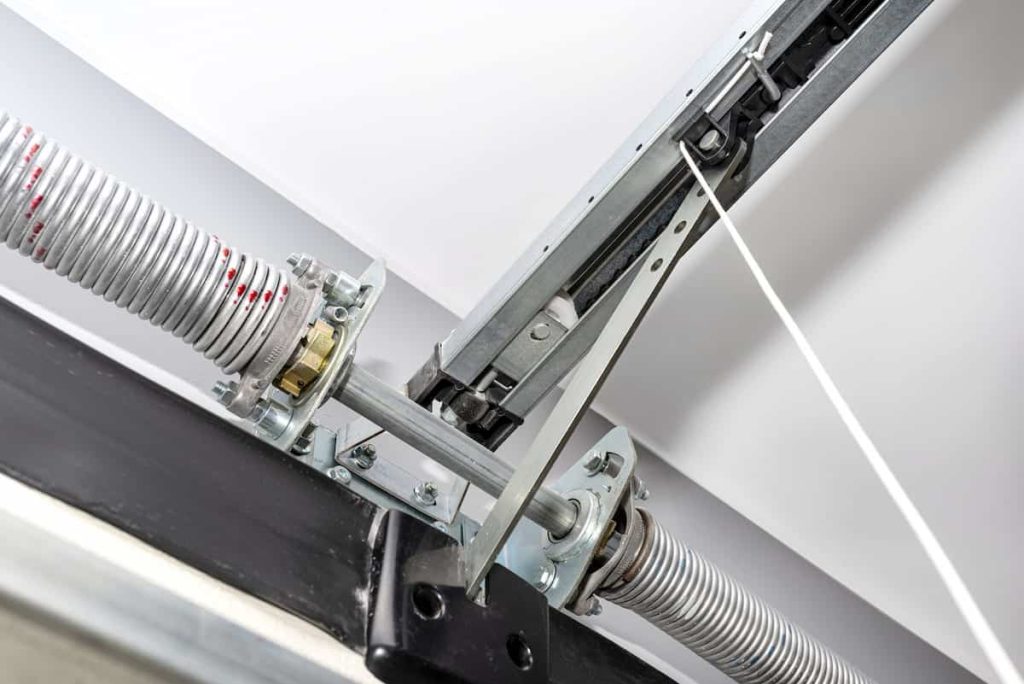
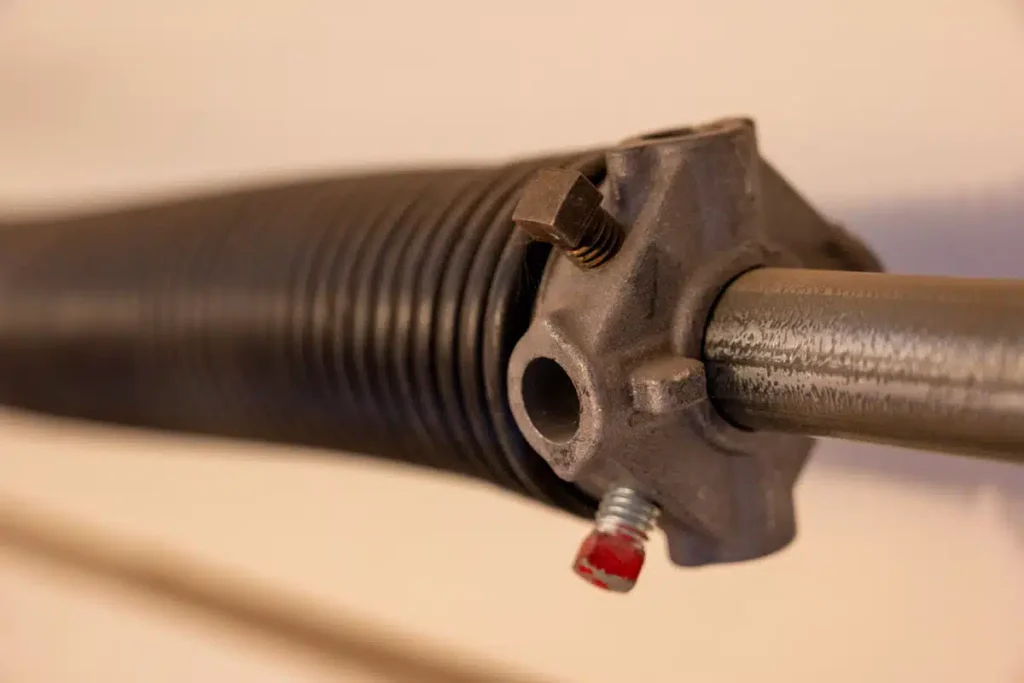
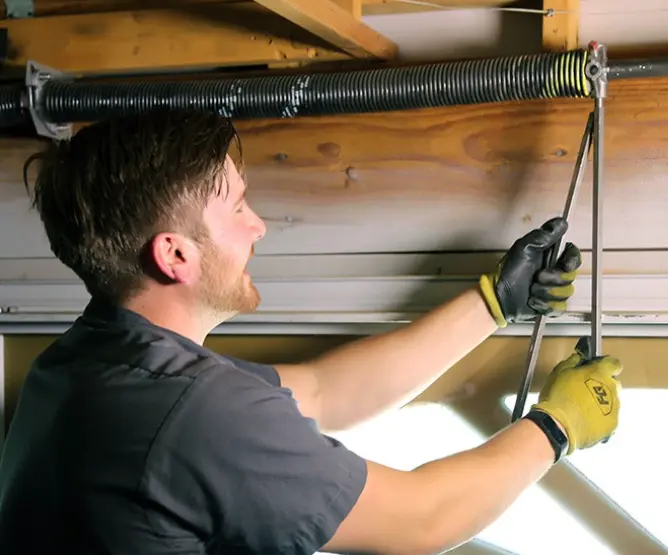
Torsion springs are mounted on a metal shaft directly above the garage door opening. They use torque, which is a twisting force, to lift and lower the door in a controlled motion. Torsion springs are the most common type found in newer Celina homes, including neighborhoods like Light Farms, Mustang Lakes and Carter Ranch.
- Typically rated for 10,000 to 15,000 cycles
- One cycle equals one full open and one full close
- Generally last between 7 and 12 years for the average household
- Provide smoother, more balanced door movement compared to extension springs
Extension Springs
Extension springs run along the horizontal tracks on both sides of the garage door. They work by stretching and contracting as the door moves up and down. These springs are more common in older homes, smaller garages and some builder-grade installations.
- Usually rated for around 10,000 cycles
- Tend to wear out faster than torsion springs due to more stress per cycle
- Average lifespan of about 5 to 9 years with regular household use
- Should always have safety cables running through them to prevent injury if they snap
Quick tip: If a home in Celina was built within the last ten years, it most likely has torsion springs. Older properties or budget-friendly builds may still be running on extension springs.
Curious about how frequently springs actually fail? Check out the full breakdown in “How Often Do Garage Door Springs Break?” for a closer look at what causes early failure and how to stay ahead of it.
How Long Do Garage Door Springs Really Last in Celina, TX?
Manufacturers rate garage door springs by cycle count, not by years. That distinction matters because every household uses the garage door differently.
Here is a realistic breakdown of spring lifespan based on daily usage:
- A family opening the door 4 times per day accumulates roughly 1,460 cycles per year
- A standard 10,000-cycle torsion spring lasts approximately 7 years at that rate
- A high-cycle 25,000-cycle spring could last 15 to 17 years or more
- Extension springs with a 10,000-cycle rating typically give out within 5 to 9 years
How the Celina, TX Climate Affects Spring Lifespan
Living in North Texas puts extra stress on garage door components that homeowners in milder climates simply do not deal with. Summer temperatures in Celina regularly hit 100°F or higher and the heat radiating off concrete driveways can push garage temperatures even further. That intense heat causes the metal in springs to expand more aggressively, accelerating fatigue over time.
On the flip side, Celina does experience winter cold snaps that can drop temperatures below freezing. Cold metal becomes more brittle and more prone to cracking or snapping. This constant cycle of extreme heat followed by sudden cold is one of the reasons garage door springs in North Texas tend to wear out on the shorter end of their rated lifespan.
Humidity during spring and early summer also contributes to rust formation on springs, which creates additional friction and shortens the overall cycle count.
Want to learn more about what puts springs at risk? Read “What Causes Garage Door Springs to Break?” for a detailed look at the most common reasons springs fail early.
7 Warning Signs That Garage Door Springs Are Wearing Out
Garage door springs rarely fail without giving some kind of warning first. Knowing what to look for can help Celina homeowners catch problems early and avoid a full spring break at the worst possible time.
1. The Door Feels Heavier Than Normal
A simple test any homeowner can do: pull the emergency release cord to disconnect the opener, then lift the door manually to about the halfway point. If the door stays in place on its own, the springs still have proper tension. If the door drops quickly or feels extremely heavy to lift, the springs are losing their strength and may be close to failure.
2. A Loud Bang Comes From the Garage
When a torsion spring breaks, it releases stored energy all at once. The result is a loud bang that sounds similar to a gunshot or a car backfiring. Many Celina homeowners have reported thinking someone broke into their garage, only to discover a snapped spring on the shaft above the door.
3. The Door Opens Unevenly or Jerks During Movement
If one side of the garage door rises faster than the other, or the door stutters and jerks as it moves along the tracks, a spring on one side may be weakened or broken. This is especially common with extension spring setups, where one spring can fail while the other keeps working.
4. Visible Gaps in the Spring Coil
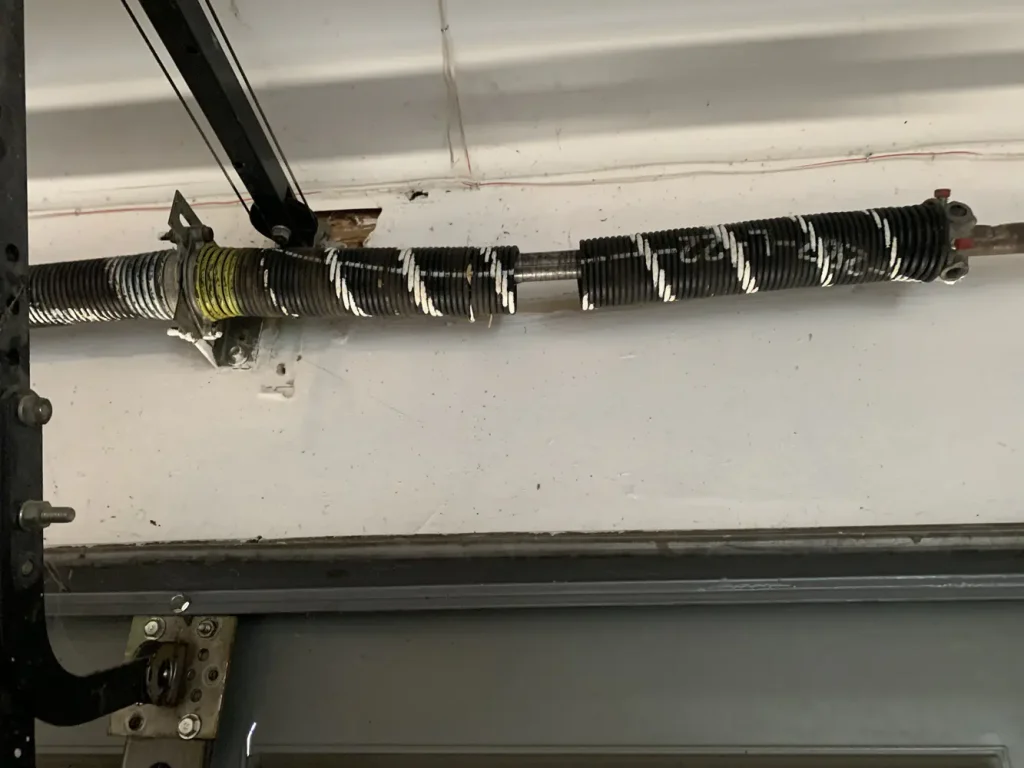
A healthy torsion spring has tightly wound coils with no visible separation. Take a look at the spring mounted above the garage door. If there is a clear gap or break in the coil, that spring is broken and needs to be replaced by a professional as soon as possible.
5. The Garage Door Opener Strains or Stops Mid-Cycle
The garage door opener is designed to move the door along the track, not to carry its full weight. The springs handle the heavy lifting. When springs wear out, the opener has to work much harder, which leads to grinding noises, overheating, or the opener stopping halfway through a cycle. Continuing to run the opener with bad springs can burn out the motor entirely.
6. The Door Closes Too Fast
Worn springs cannot control the weight of the door on the way down. If the garage door slams shut instead of lowering smoothly, the springs have lost too much tension. This is a safety concern, especially for households in Celina with children or pets who may be near the garage door.
7. Rust or Corrosion Is Visible on the Springs
Surface rust on garage door springs is more than just a cosmetic issue. Rust increases friction between the coils, which means the spring has to work harder with every single cycle. Over time, rust weakens the metal structure and makes the spring more likely to snap without warning.
If a spring does break, knowing what to do next matters. Learn more in “Can You Open a Garage Door With Broken Springs?” to understand the safe options available before a technician arrives.
What Causes Garage Door Springs to Fail Before Their Time?
Not every spring reaches its full rated cycle count. Several factors can cause springs to wear out earlier than expected and many of them are especially relevant to homeowners in the Celina area.
Rust and Moisture Damage
North Texas humidity, especially during the spring and early summer months, creates the perfect conditions for rust to develop on metal garage door components. A rusty spring generates more friction between the coils, which reduces its effective lifespan by thousands of cycles. This is one of the most common causes of early spring failure in the Celina and Collin County area.
Skipping Regular Maintenance
Most homeowners never think about their garage door springs until something goes wrong. Springs need periodic lubrication and inspection to stay in good working order. Without basic upkeep, even high-quality springs will wear out years ahead of schedule.
Improper Spring Sizing or Installation
If the springs installed on a garage door are not properly matched to the weight and dimensions of the door, they will be under too much or too little tension with every cycle. This happens more often than expected, particularly with new construction in fast-growing areas like Celina, where some builders may rush through garage door installations or use lower-grade hardware.
Extreme North Texas Temperature Swings
The constant back-and-forth between triple-digit summer heat and below-freezing winter temperatures puts significant stress on metal springs. Each temperature swing causes the metal to expand and contract, leading to metal fatigue that compounds over time.
Heavy or Oversized Doors
Larger garage doors, particularly those on three-car garages that are popular in many Celina subdivisions, put more strain on the springs. If a home has a wooden or insulated door that is heavier than standard, the springs work harder with every cycle and may wear out sooner than the rated lifespan suggests.
6 Tips to Make Garage Door Springs Last Longer in Celina, TX
While springs will eventually wear out no matter what, there are several practical steps homeowners in Celina, Prosper, TX and the surrounding communities can take to extend their lifespan and avoid premature failure.
1. Lubricate the Springs at Least Twice a Year
Apply a silicone-based lubricant or white lithium grease directly to the torsion springs at least twice a year. The best times are right before summer and right before winter, when temperature extremes are about to set in. Proper lubrication reduces friction between the coils, prevents rust and helps the springs operate more smoothly.
Important: Avoid using WD-40 on garage door springs. WD-40 is a solvent and degreaser, not a long-term lubricant. It can actually strip away existing lubrication and leave the metal exposed to moisture.
2. Schedule a Professional Inspection Once a Year
Having a licensed garage door technician inspect the springs, cables, rollers and overall hardware at least once a year is one of the smartest investments a homeowner can make. A trained technician can spot the early signs of spring fatigue, test the balance of the door and identify small problems before they turn into expensive repairs.
3. Test the Door Balance Every Few Months
This is a simple check any homeowner can do without any special tools. Disconnect the garage door opener by pulling the emergency release handle. Then lift the door manually to the halfway point and let go. If the door stays in place, the springs are properly balanced. If the door rises on its own or drops down, the spring tension is off and a professional should take a look.
4. Pay Attention to Unusual Sounds
Squeaking, grinding, popping, or creaking sounds during garage door operation are often early signs of spring wear. Addressing these sounds early, usually with lubrication or a professional adjustment, can prevent a complete spring failure down the road.
5. Upgrade to High-Cycle Springs When Replacing
When the time comes to replace garage door springs, it is worth asking about high-cycle options. Standard springs are typically rated for 10,000 cycles, but high-cycle springs rated for 25,000 or even 50,000 cycles are available. The upfront cost is slightly higher, but the long-term savings are significant, especially for busy households that use the garage door frequently throughout the day.
6. Keep the Garage Door Track Clean and Aligned
Dirt, debris and misaligned tracks force the springs to work harder than necessary. Periodically wiping down the tracks and checking that they are properly aligned helps reduce unnecessary strain on the entire spring system.
Why Garage Door Spring Replacement Is Not a DIY Job
This point cannot be stressed enough: replacing garage door springs is dangerous and should only be done by a qualified professional.
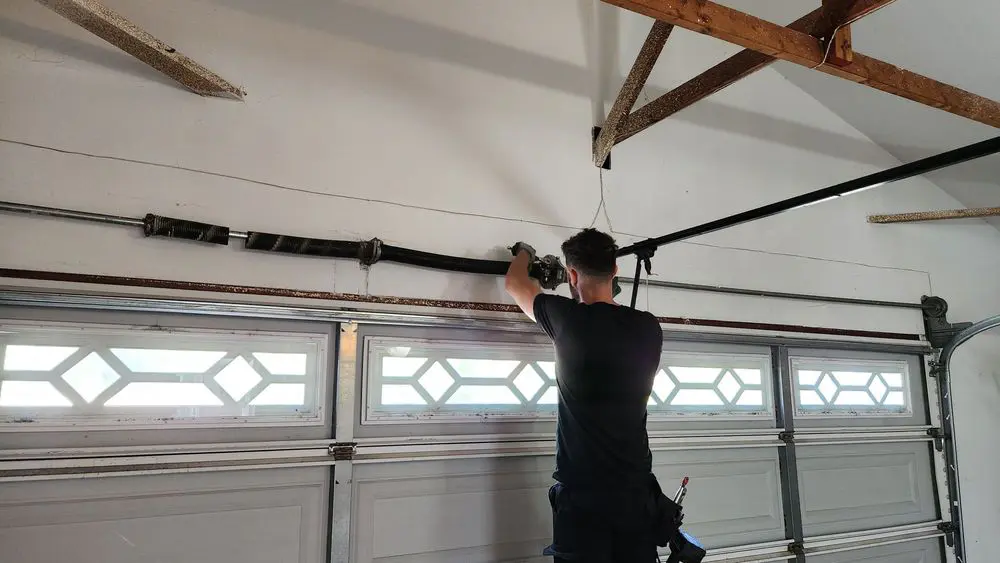
Torsion springs are under extreme tension at all times. A single residential torsion spring stores enough energy to cause severe injury, broken bones, or worse if it is released improperly. Emergency rooms across Texas treat patients every year who attempted to replace their own garage door springs.
Extension springs carry similar risks, particularly if they do not have safety cables installed. A snapping extension spring can fly across the garage at high speed.
For homeowners in Celina, McKinney, TX and the surrounding North Texas area, the safest approach is always to hire a licensed, insured garage door technician who has experience with the specific door type and spring system installed on the home. A professional ensures that the replacement springs are correctly sized, properly tensioned and safely secured.
The average cost for a professional garage door spring replacement is moderate and typically includes parts, labor and a safety inspection. It is a small price compared to the risk of personal injury or additional damage to the door and opener from a botched DIY attempt.
What to Check Before Calling a Garage Door Technician
Before scheduling a service call, it helps to gather a few details so the technician can diagnose the problem faster. Here is a quick checklist for Celina homeowners:
- Look at the torsion spring above the door. Is there a visible gap or break in the coil?
- Perform the manual balance test. Does the door stay at the halfway point, or does it fall?
- Listen for unusual sounds when the door opens and closes. Note any grinding, squeaking, or popping.
- Check if the door sits level and even when fully closed, or if one side is higher than the other.
- Note the approximate age of the garage door system. If it is original to the home, that information is especially helpful.
- Check whether the opener is straining, overheating, or stopping mid-cycle.
Having this information ready when calling a garage door repair company saves time, helps with faster diagnosis and can even reduce the overall cost of the service visit.
Why Celina, TX Homeowners Should Think About Springs Before They Break
Celina is one of the fastest-growing cities in Collin County, with new home construction booming across dozens of subdivisions. Many of these homes were built within the last five to ten years, which means a large number of garage door systems in the area are approaching the midpoint or even the end of their original spring lifespan right now. With so many new builds going up, ensuring a quality garage door installation from the start can make a big difference in how long the springs and overall system hold up.
A broken garage door spring is more than just an inconvenience. When the garage door cannot close, the home is left exposed. For a family-oriented community like Celina, where many residents use the garage as their primary way in and out of the house, a non-functional garage door disrupts everything from the morning commute to daily errands.
Taking a proactive approach to spring maintenance and replacement costs far less than an emergency weekend service call. A quick annual inspection and basic lubrication routine can add years to the life of the springs and prevent unexpected failures at the worst possible moments.
Keep Your Garage Door Springs in Check Before It Is Too Late
Garage door springs are one of those components that most homeowners never think about until the day they stop working. For most homes in Celina, TX, standard torsion springs will last somewhere between 7 and 12 years, while extension springs tend to wear out a bit sooner at 5 to 9 years. The North Texas climate, with its punishing summer heat and occasional winter freezes, can push those numbers toward the lower end, especially if maintenance gets overlooked.
The good news is that a small amount of preventive care makes a real difference. Regular lubrication, annual professional inspections and periodic balance checks can extend the life of garage door springs by several years. When replacement time does come around, upgrading to high-cycle springs is a smart investment that pays off over the long run. In some cases, if the springs have failed repeatedly or the system is outdated, a full garage door replacement may be worth considering for better performance and long-term reliability.
Most importantly, spring replacement is not a do-it-yourself project. The tension stored in these springs makes them genuinely dangerous to handle without the right training and tools. Celina homeowners are best served by working with a licensed, experienced garage door technician who can ensure the job is done safely and correctly.
Taking care of the garage door springs today means fewer surprises, fewer emergency repair bills and a garage door that keeps working reliably for years to come.
Need Garage Door Spring Service in Celina, TX? Here Is Who to Call
When it comes to garage door spring replacement and maintenance in Celina, TX, Alliance Overhead Door is the trusted local choice. With years of hands-on experience serving homeowners across Celina, Prosper, McKinney and the surrounding North Texas communities, we deliver reliable, professional service backed by honest pricing and a commitment to safety. Whether it is a routine spring inspection, an emergency replacement, or an upgrade to high-cycle springs, our team has the expertise to get the job done right the first time. Ready to get your garage door springs inspected or replaced? Contact us today or give us a call to schedule a service appointment and keep your garage door running safely and smoothly.
Frequently Asked Questions
How do you know when garage door springs need to be replaced?
Look for a heavy-feeling door, visible gaps in the coil, loud bangs from the garage, or an opener that strains to complete a cycle. The repair specialists at Family Handyman cover what to expect when it is time to replace worn-out springs.
Can a garage door work with a broken spring?
It should not be operated. A broken spring puts dangerous stress on the opener and cables and the door could fall without warning.
Why did the garage door spring break in cold weather?
Cold makes metal brittle. Springs already near the end of their lifespan are especially prone to snapping during Celina's winter cold snaps.
Should both garage door springs be replaced at the same time?
Yes. The other spring has the same wear and will likely fail soon. Replacing both saves a second service call and keeps the door balanced.
d spring replacement in about 45 minutes to an hour.
What is the difference between a 10,000-cycle and a 25,000-cycle spring?
A 10,000-cycle spring lasts roughly 7 years. A 25,000-cycle spring can last 15 years or more. Higher-cycle springs use thicker, higher-grade wire.
How often should garage door springs be lubricated?
Twice a year, ideally before summer and before winter. Use silicone-based lubricant or white lithium grease. Avoid WD-40.
Why is the garage door so loud all of a sudden?
A single loud bang usually means a spring snapped. Ongoing grinding or squeaking points to dry coils, rust, or loose hardware that needs attention.
Is it cheaper to repair or replace garage door springs?
Springs cannot be repaired. Replacement is the only fix. The average cost is moderate and covers parts, labor and a safety inspection.
How can Celina, TX homeowners make their garage door springs last longer?
Lubricate twice a year, schedule annual inspections, test door balance regularly and upgrade to high-cycle springs when replacement is needed.