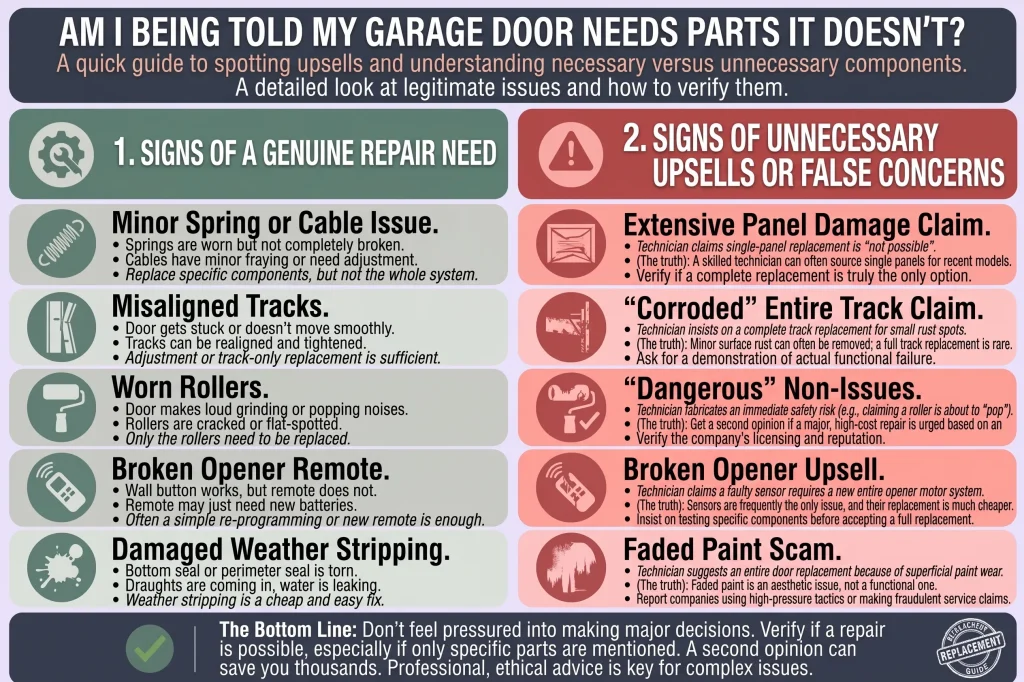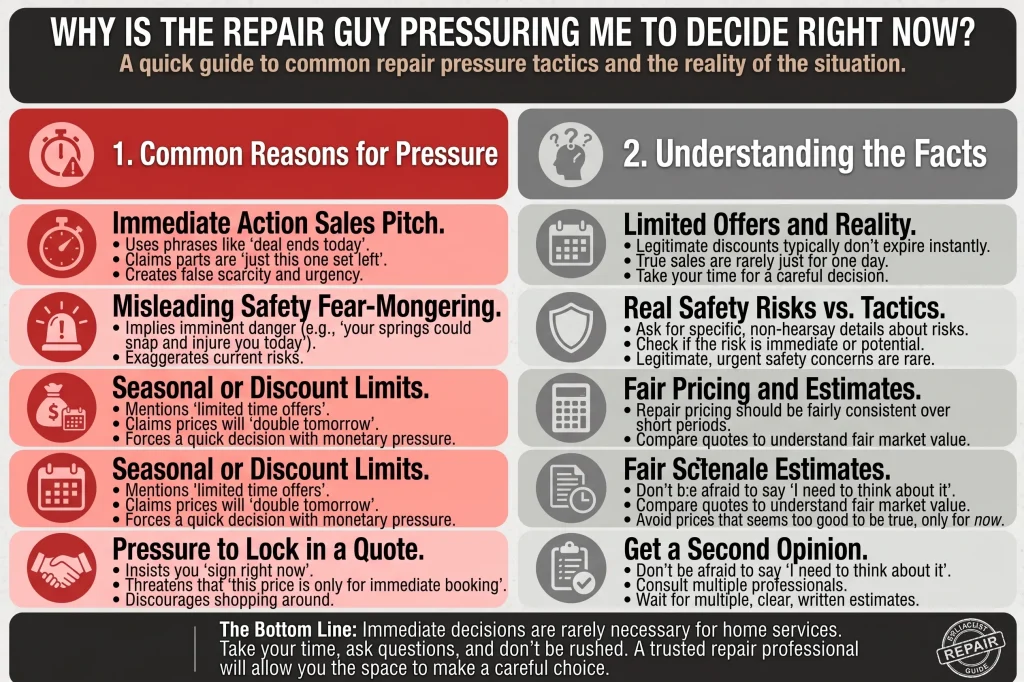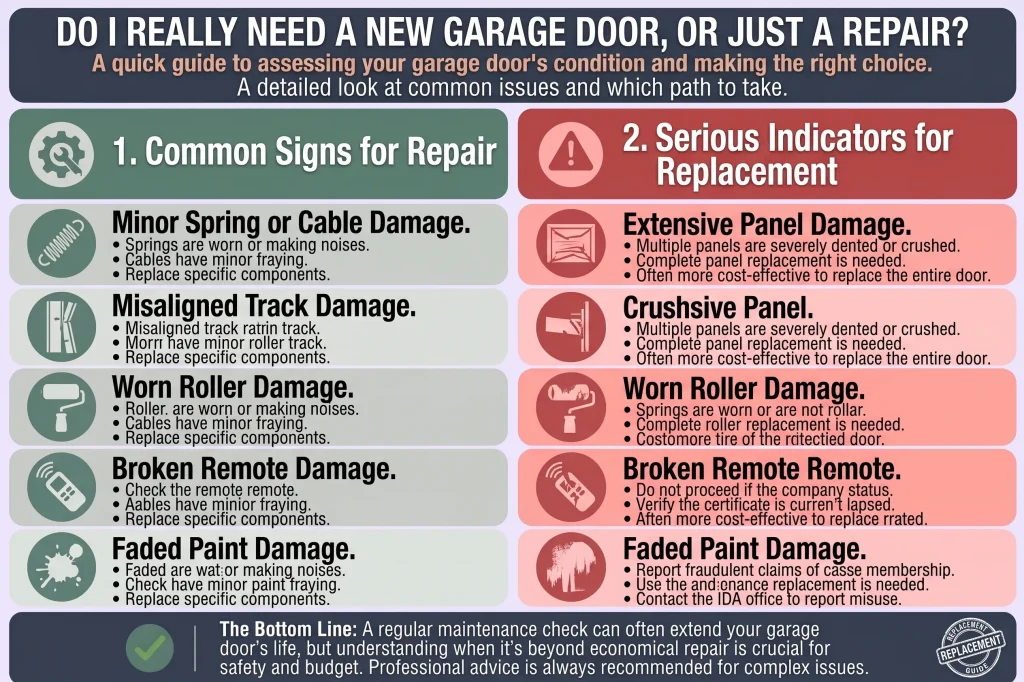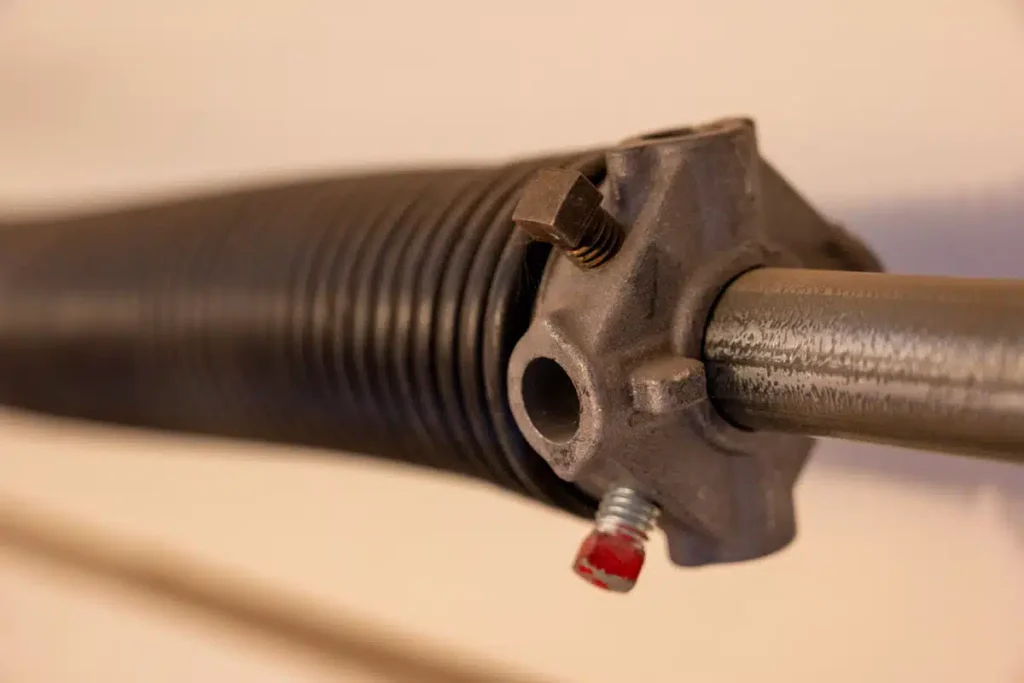
A torsion spring fails mostly because of normal wear from daily use, with rust, poor maintenance, the wrong spring size, and big temperature swings speeding up the damage. Every time a garage door goes up or down, the spring winds and unwinds under heavy tension. Over thousands of cycles, the metal weakens until it finally snaps. That is the short version. The longer version, written below for homeowners in Celina, Prosper, and McKinney, explains each cause in plain language so the warning signs are easy to spot before the door gets stuck and a torsion spring replacement becomes the only option.
Garage door springs do a huge job. They lift a door that can weigh well over a hundred pounds, and they do it quietly in the background until the day they do not. Knowing what wears them down helps protect the door, the opener, and the people standing near it.

8 Reasons a Torsion Spring Breaks or Fails
1. Normal Wear and Tear (Cycle Life Runs Out)
Every torsion spring comes with a cycle rating. One cycle equals one full open and one full close. A standard spring is often rated for around 10,000 cycles, while higher-grade springs can reach 20,000 or more. That sounds like a lot, but a busy family in Aubrey or Little Elm might open the door eight or more times a day. At that pace, a basic spring can wear out in roughly five to seven years.
When a spring reaches the end of its cycle life, the metal gets tired. This is called metal fatigue, and it is the number one reason a torsion spring breaks. The coils stretch slightly with each use until a weak point gives way.
What to check: Think about how many times the door runs each day and how old the spring is. A door used many times daily will age its spring faster than one used twice a day.
Prevention tip: Buy a higher cycle-rated spring when replacement time comes. Paying a little more upfront for a longer-lasting spring usually means fewer breakdowns over the years.
Solution note: Once a spring snaps from age, it needs full replacement, not a patch. This is a job for a trained garage door technician because the spring is under extreme tension.
Wondering if a worn-out spring can be saved? The guide “Can a Broken Torsion Spring Be Repaired or Must It Be Replaced?“ breaks down exactly what to expect.
2. Rust and Corrosion
Rust is a quiet killer for torsion springs. When moisture settles on the coils, it creates tiny rough spots and weak areas. Those rough spots grind against each other every time the spring moves, which wears the metal down faster than normal use alone.
Humidity, sprinkler overspray, and damp garages all add to the problem. Homes around McKinney and Melissa that sit near open fields or get heavy morning dew can see rust build up over time if the spring is never protected.
What to check: Look at the spring under good light. Orange or brown flaking, or a dull, dry look on the coils, points to corrosion.
Prevention tip: A light coat of garage-door-rated lubricant on the coils about twice a year helps block moisture and slows rust. Avoid heavy grease, which collects dust and grime.
Solution note: Light surface rust can sometimes be slowed with proper lubrication, but a heavily rusted spring is a replacement, not a repair.
If a rusted spring already gave out, read “Is It Safe to Use a Door With a Broken Torsion Spring?“ before touching the door again.
3. Lack of Lubrication
A torsion spring needs a thin film of lubricant to move smoothly. Without it, the coils rub directly against one another. That friction creates heat and grinds away the metal, which shortens the spring’s life and adds noise.
A dry, squeaky garage door is often the first clue. Many homeowners in Allen and Prosper hear the squeak for months and ignore it, not realizing the noise is a warning that the spring and other moving parts are running dry.
What to check: Listen for grinding or squealing when the door moves. Run a clean rag along the spring; a totally dry surface means it is overdue for lubrication.
Prevention tip: Use a silicone-based or lithium-based garage door lubricant every few months on the spring, rollers, and hinges. Skip the kitchen oils and all-purpose sprays, which can gum up.
Solution note: Lubrication is light, safe homeowner upkeep. It will not fix a spring that is already failing, but it stops a healthy spring from wearing out early.
Not sure what a failing spring looks like? The post “How Do You Know If You Have a Broken Torsion Spring?” walks through the telltale signs to watch for.
4. Skipping Regular Maintenance
A torsion spring rarely fails alone. It works with cables, drums, bearings, and the winding cone, and trouble in any of those parts puts extra strain on the spring. When the whole system goes unchecked for years, small issues stack up until the spring takes the hit.
A yearly tune-up catches loose hardware, frayed cables, and balance problems early. Homes across Celina that follow a maintenance schedule tend to get far more life out of their springs than homes that never look at the door until it fails.
What to check: Note the last time a professional inspected the door. If it has been more than a year, the system is due.
Prevention tip: Schedule a yearly garage door tune-up. A technician checks spring tension, balance, cables, and rollers in one visit, which is far cheaper than an emergency call after a break.
Solution note: Preventive maintenance is the best defense. It does not stop normal aging, but it removes the extra stress that causes early failure.
5. Wrong Spring Size or Bad Installation
A torsion spring has to match the exact weight, height, and width of the door. The wire size, length, and inside diameter all matter. When the wrong spring goes on, or when the spring is wound to the wrong tension, it works too hard on every cycle and fails long before it should.
This often happens after a rushed, low-cost install or a do-it-yourself attempt. A spring that looks close enough is not the same as a spring that is correct. Mismatched parts are a common reason for repeat failures in homes around Little Elm and Aubrey where a previous repair was done in a hurry.
What to check: If a fairly new spring broke quickly, the size or tension may have been wrong from the start. Keep records of the spring specs used on the door.
Prevention tip: Choose an experienced installer who measures the door and weighs it rather than guessing. The right spring on day one prevents many problems later.
Solution note: A mismatched spring needs to be replaced with the correct one. This is precise, high-tension work best left to a qualified garage door technician.
6. North Texas Temperature Swings
Metal reacts to temperature. On a freezing winter morning, the steel in a torsion spring becomes more brittle and is more likely to crack. North Texas weather swings hard, with hot summers and the occasional sharp cold snap, and those swings stress the metal over time.
This is why so many springs in Celina, Prosper, and McKinney seem to break on the coldest morning of the year. The cold did not cause the wear by itself, but it was the final push for a spring already near the end of its life.
What to check: Pay closer attention to the door during the first hard cold of the season. Sluggish, jerky movement in cold weather can signal a spring on its last legs.
Prevention tip: Keep the spring lubricated heading into winter and avoid forcing a stiff, cold door. Letting the door warm slightly before heavy use reduces strain.
Solution note: A cold-snapped spring needs replacement. There is no safe way to nurse a fully broken spring through the winter.
7. Replacing Only One Spring Out of Two
Many wider doors use two torsion springs that share the load. When one breaks and only that one gets replaced, the door now has a brand-new spring working next to an old, worn one. The old spring is already close to the end of its cycle life, so it usually fails soon after, leading to a second repair call within months.
This is one of the most common avoidable failures seen on two-spring doors in Allen, Melissa, and the surrounding areas.
What to check: Find out whether the door uses one spring or two. On a two-spring system, note whether both springs are the same age.
Prevention tip: On a two-spring door, replace both springs at the same time even if only one broke. Matching springs of the same age keeps the door balanced and avoids a quick repeat failure.
Solution note: Replacing the pair together costs more in the moment but usually saves money and hassle over the next year.
8. Forcing or Slamming the Door
A garage door is meant to move in a smooth, controlled way. When a door is forced open by hand while it is binding, slammed shut, or run with a faulty opener, the spring takes a sudden shock load. These jolts can crack a spring or speed up wear at a weak spot.
Cars bumping the track, kids hanging on a closing door, or an opener with the wrong force settings all create the kind of sudden stress that springs do not handle well.
What to check: Watch how the door behaves. If it slams the last foot to the floor or jerks while moving, the system is out of balance and the spring is under extra strain.
Prevention tip: Never force a stuck door. Teach everyone in the home to let the door run on its own and to keep the area clear while it moves.
Solution note: If the door slams or moves roughly, a technician should check balance and opener force settings before the spring gives out.
Warning Signs a Torsion Spring Is About to Fail
Most springs give clues before they break for good.
Watch for these signs
- A loud bang from the garage, which is often the sound of a spring snapping
- A door that feels very heavy or will not open all the way
- A visible gap or separation in the spring coil above the door
- The door opening crooked or hanging lower on one side
- Grinding, squealing, or jerky movement
- An opener that strains, hums, or struggles to lift the door
Spotting even one of these early can turn a safe planned repair into something far less stressful than a door stuck shut on a busy morning in Prosper or Celina.
What to Do When a Spring Breaks
A broken torsion spring leaves the door without the support it needs to lift safely.
The safest path is simple
- Stop using the door and the opener right away. Running the opener with a broken spring can damage the motor and bend the door.
- Do not try to lift the door by hand. Without the spring, the full weight can drop fast.
- Keep children and pets away from the door.
- Call a professional garage door technician for inspection and replacement.
Torsion springs hold extreme tension, which is why this repair is not a safe do-it-yourself project. The tools and training matter for a reason.
How Much Does Torsion Spring Replacement Cost?
Pricing depends on the spring size, the cycle rating chosen, and whether the door uses one spring or two. On average, torsion spring replacement is a moderate repair cost, and choosing a higher cycle-rated spring raises the average cost slightly while adding years of life. Replacing both springs on a two-spring door costs more in the moment but often lowers the long-term average cost by preventing a fast repeat failure. A local technician serving Celina, McKinney, and nearby areas can give an exact quote after measuring the door.
Trusted Garage Door Spring Repair Near Celina, TX
Homeowners across Celina, Prosper, and McKinney, along with Aubrey, Allen, Melissa, and Little Elm, count on fast, safe torsion spring service from trained local technicians. A proper repair includes the correct spring size, balanced tension, and a full safety check of the cables and hardware, so the door runs smoothly long after the visit. When a spring breaks or starts showing warning signs, a quick call to a trusted local pro keeps the home safe and the door working the way it should.
Keeping Your Torsion Spring Working Longer
A torsion spring fails for reasons that are easy to understand once they are laid out: years of normal use, rust, dryness, skipped maintenance, the wrong parts, hard weather, mismatched spring ages, and rough handling. Most of these causes can be slowed or avoided with simple care like regular lubrication, yearly tune-ups, and replacing springs in pairs. Watching for the warning signs and scheduling garage door repair with a qualified technician at the right time keeps the door safe for every family in Celina and the surrounding North Texas towns.
Your Trusted Garage Door Spring Experts
Alliance Overhead Door is trusted across Celina, Prosper, and McKinney for honest advice, careful work, and fast torsion spring service. The team uses the correct spring size, proper tension, and a full safety check so the door runs smoothly for years, with the same dependable care reaching Aubrey, Allen, Melissa, and Little Elm. Contact us today or give us a call to keep your garage door safe and working the way it should.
Frequently Asked Questions
Can a broken torsion spring be repaired instead of replaced?
No. A broken spring must be replaced. Springs cannot be safely patched or reused.
Is it safe to open my garage door with a broken spring?
No. Stop using the door right away, since the full weight can drop and damage the opener or injure someone.
Why did my torsion spring break in cold weather?
Cold makes the metal more brittle, so a worn spring often snaps on the first hard freeze of the season.
Should both springs be replaced if only one breaks?
Yes. On a two-spring door, replacing both at once prevents a quick second failure and keeps the door balanced. For more on this, Family Handyman explains why matched springs matter.
What causes a torsion spring to rust?
Moisture from humidity, dew, or sprinkler overspray settles on the coils. Regular lubrication helps block it. Bob Vila offers additional tips on protecting garage door springs.
How often should a torsion spring be lubricated?
About every three to four months with a silicone or lithium garage door lubricant. Skip heavy grease and household oils.
Can I replace a torsion spring myself?
It is strongly discouraged. The spring holds extreme tension and requires special tools and training to handle safely.
What are the first signs a spring is failing?
A heavy door, a loud bang, a gap in the coil, crooked movement, or grinding noises are common early warnings.
How much does torsion spring replacement usually cost?
It is a moderate average cost that varies by spring size, cycle rating, and whether the door uses one spring or two. A local technician can give an exact quote.