A garage door torsion spring works harder than almost any other part on your home. Every time the door goes up or down, that tightly wound coil above the door does the heavy lifting. So when it breaks, the whole system feels it. Homeowners across Celina, Prosper, and McKinney deal with this problem more often than they expect, especially when seasonal temperature swings hit North Texas.
The good news? A broken torsion spring leaves behind clear warning signs. Knowing what to look for can save you from a stuck door, a surprise repair bill, or a safety risk. Spotting the problem early also helps you decide if a simple fix or a full torsion spring replacement is needed. Below are dependable ways to tell if your torsion spring has failed, plus simple tips on what to check and how to prevent it.
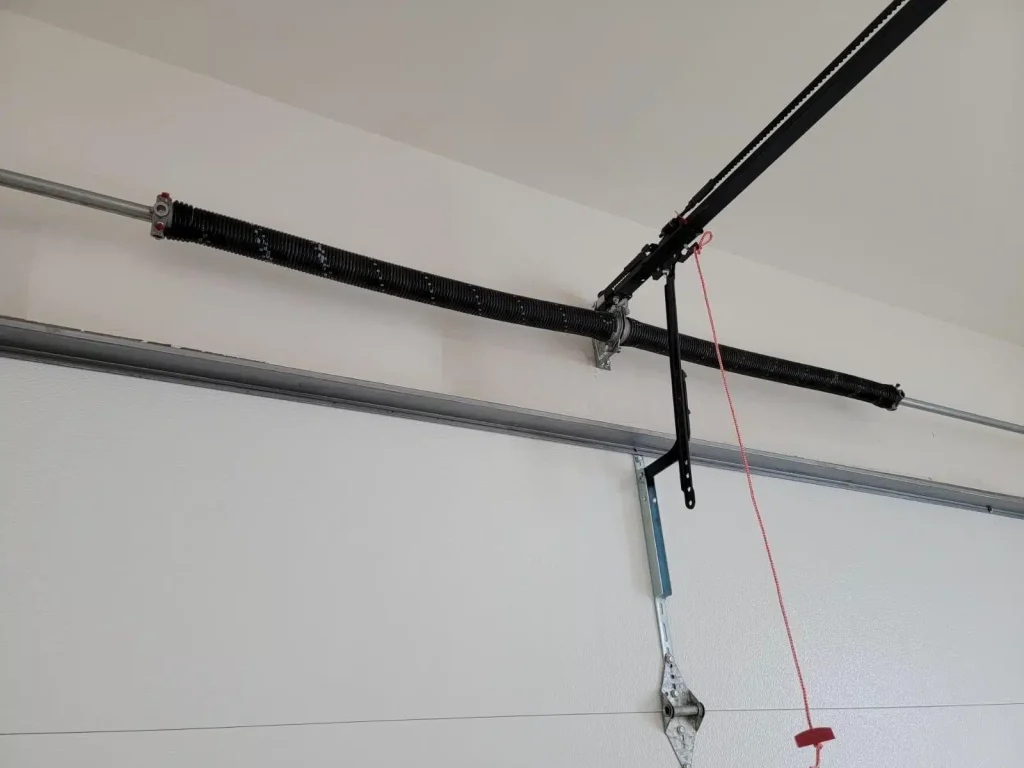
What Is a Torsion Spring and Why Does It Matter?
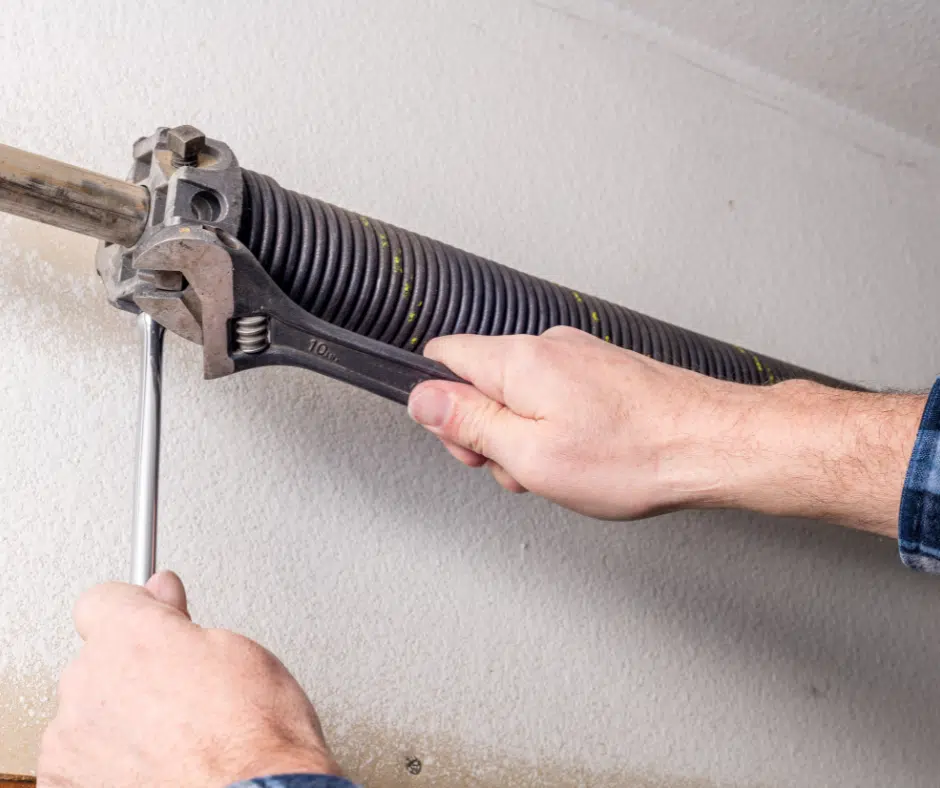
A torsion spring sits horizontally on a metal shaft right above the garage door opening. As the door closes, the spring winds up and stores energy. When the door opens, it releases that energy to help lift the heavy panels. Most residential doors weigh between 150 and 350 pounds, and the spring carries almost all of that load.
When the spring snaps, the opener and cables suddenly have to do a job they were never built for. That is why a broken spring usually means the door stops working right away. Understanding this part is the first step to spotting trouble early in homes around Aubrey and Little Elm.
Once a spring fails, the next big question is whether it can be saved. Find out in the blog “Can a Broken Torsion Spring Be Repaired or Must It Be Replaced?“
You Hear a Loud Bang From the Garage
The number one sign is sound. A torsion spring is under extreme tension, so when it breaks, it releases that energy all at once. The result is a sharp, loud bang that sounds a lot like a firecracker or a gunshot.
Many homeowners in Melissa and Allen report hearing this noise in the middle of the night, even when the garage door was not moving. That sudden snap is the metal coil giving out. If a startling bang comes from your garage with no clear cause, a broken torsion spring is the most likely answer.
What to check: Look at the spring above the door. A broken one will show a clear gap, with two separated coil ends instead of one continuous piece.
Curious about what pushed your spring to the breaking point? Learn more in the blog “What Causes a Broken Torsion Spring to Fail?“
The Garage Door Will Not Open (or Only Lifts a Few Inches)
Once the spring breaks, the opener loses its main helper. A garage door opener is designed to guide the door, not carry its full weight. Without spring tension, the motor strains, and the door either refuses to budge or lifts just a few inches before stopping.
This is one of the most common service calls in Prosper and McKinney. People press the remote, hear the opener humming, and watch the door barely move. If your door suddenly feels impossibly heavy or stops part way, the spring is a prime suspect.
Tip: Do not keep pressing the remote over and over. Forcing the opener can burn out the motor or damage the gears, turning one repair into two.
Wondering if it is okay to keep operating the door in the meantime? Get the full answer in the blog “Is It Safe to Use a Door With a Broken Torsion Spring?“
You See a Visible Gap in the Spring
Sometimes the simplest test is a quick look. A healthy torsion spring is one tight, continuous coil wrapped around the shaft. A broken one will have a noticeable two- to three-inch gap where the metal separated.
Grab a flashlight and look up at the spring while standing safely on the ground. Homeowners in Celina and Aubrey can usually spot this gap without any tools. If the coil is split into two pieces, the spring has failed and needs professional replacement.
The Door Slams Down or Falls Fast
A working spring slows the door as it closes, lowering it gently. When the spring breaks, that control disappears. The door may drop quickly, slam hard against the ground, or feel jerky on the way down.
This is more than an annoyance. A fast-falling door is a serious safety hazard, especially in busy households with kids or pets in places like Little Elm and Melissa. If the door crashes down instead of settling smoothly, stop using it right away.
Safety note: Keep everyone clear of the door until it gets inspected. A door that falls without warning can cause injury or damage vehicles parked underneath.
The Door Looks Crooked or Uneven
A garage door should glide straight up and down. When a spring breaks, the lifting force becomes uneven, and one side of the door may lift faster than the other. The result is a door that looks tilted, sits crooked in the tracks, or appears stuck at an angle.
Crooked doors are a frequent issue in older McKinney and Prosper homes where springs have aged. If your door no longer sits level, the torsion spring or its cables may have given out. Continuing to operate a crooked door can pull it off the track entirely.
Loose or Hanging Cables
Torsion springs and lift cables work as a team. When the spring snaps, the cables often lose their tension too. You might see cables hanging loose, drooping, or tangled near the bottom of the door.
Take a careful look at both cables on either side of the door. In homes across Allen and Celina, dangling cables are a strong clue that the spring system needs attention. Loose cables also mean the door is no longer safe to operate manually.
What to check: Compare both sides. If one cable hangs slack while the other stays tight, the balance is off and the spring is likely the cause.
The Door Feels Extremely Heavy by Hand
A properly balanced garage door should be fairly easy to lift by hand when the opener is disconnected. With a healthy spring doing its job, the door feels manageable. When the spring breaks, all that weight lands on you, and the door feels like it weighs a ton.
If lifting the door by hand suddenly feels impossible, the spring has stopped helping. This test is a reliable confirmation for homeowners in Aubrey and Allen who suspect a problem. That said, lifting a door with a broken spring is risky, so keep this check brief and gentle.
What Causes Torsion Springs to Break?
Knowing the cause helps you prevent the next failure.
Here are the most common reasons springs give out in North Texas homes:
- Normal wear and tear. Most springs are rated for around 10,000 cycles, which is roughly seven to twelve years of use. Each open and close counts as one cycle.
- Rust and corrosion. Humidity and moisture weaken the metal over time, shortening the spring’s lifespan.
- Temperature swings. The hot summers and cold snaps common in Prosper and McKinney cause the metal to expand and contract, adding stress.
- Poor maintenance. Springs that never get lubricated or inspected wear out faster.
- Cheap or undersized springs. Low-quality springs simply do not last as long.
How to Prevent a Broken Torsion Spring
A little care goes a long way.
These simple habits can help your spring last longer in homes around Celina, Melissa, and Little Elm:
- Lubricate the spring twice a year. Use a garage-door-specific silicone or lithium spray, not standard household oil. This reduces friction and slows wear.
- Schedule yearly inspections. A trained technician can catch rust, fraying cables, or weak coils before they fail.
- Watch the balance. If the door starts feeling heavy or moving unevenly, get it checked early.
- Avoid slamming the door. Smooth operation puts less strain on the spring.
- Consider a higher-cycle spring. When replacing a spring, ask about upgrading to a longer-lasting option for better value over time.
What Should You Do Next?
A broken torsion spring is not a do-it-yourself project. These springs hold enormous tension, and one slip can cause serious injury. Replacing them safely requires special winding bars, the correct spring size, and trained hands. For that reason, the smart move is to call a licensed garage door professional in your area.
When you reach out, ask whether the technician replaces springs in matched pairs. Many doors use two springs, and if one breaks, the other is usually close behind. Replacing both at once saves you a second service trip and keeps the door balanced.
The average cost of a torsion spring replacement is moderate and usually completed in under an hour by an experienced technician. Prices vary based on spring size and door weight, so a quick on-site evaluation gives the most accurate estimate. Homeowners in Prosper, McKinney, and Allen often find that prompt repair prevents bigger problems down the road.
Why Acting Fast Matters
Ignoring a broken spring rarely ends well. A door stuck halfway leaves your home exposed. Forcing the opener can fry the motor. And a door that slams shut creates a daily safety risk. Quick action protects your property, your opener, and your family.
Across Celina, Aubrey, and Little Elm, the pattern is the same: the sooner a broken spring gets handled, the smaller the headache. Scheduling prompt garage door repair keeps a small issue from turning into a costly one. Treat the warning signs above as your early alert system, and reach out to a trusted local pro the moment you spot trouble.
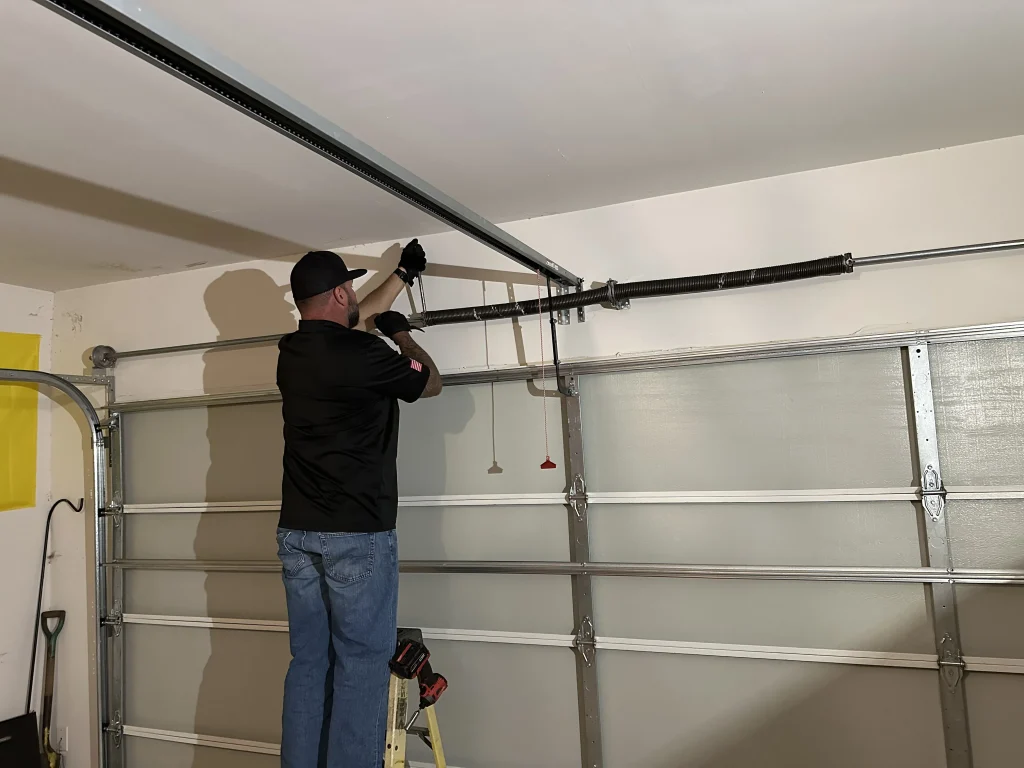
Your Trusted Local Garage Door Experts
When a torsion spring breaks, you want a team that shows up fast and gets it right. Alliance Overhead Door delivers honest service and skilled repairs across Celina, Prosper, McKinney, and nearby communities, handling torsion spring replacements safely and efficiently. Contact us today or give us a call to schedule your inspection.
Frequently Asked Questions
Can I still use my garage door with a broken spring?
No. Operating it can damage the opener, snap the cables, or cause the door to fall. Stop using it until it is repaired.
How long do torsion springs last?
Most last about 10,000 cycles, or roughly seven to twelve years, depending on how often the door is used.
Why did my spring break in cold weather?
Cold makes metal contract and become brittle, so springs often fail during temperature drops common in North Texas.
Should I replace one spring or both?
Replace both. If one breaks, the other is usually worn out too, and matched springs keep the door balanced. For more home maintenance guidance, check out Family Handyman.
Is replacing a torsion spring a DIY job?
No. The high tension makes it dangerous. Always hire a licensed garage door technician. You can learn more about common door issues at Bob Vila.
How long does a spring replacement take?
An experienced technician usually finishes the job in under an hour.
What is the average cost of a torsion spring repair?
The average cost is moderate and depends on spring size and door weight. An on-site check gives the best estimate.
Can a broken spring damage my garage door opener?
Yes. The opener is not built to lift the full weight of the door, so forcing it can burn out the motor.
How can I make my torsion spring last longer?
Lubricate it twice a year, schedule annual inspections, and address balance issues early before they cause a break.