The garage door is likely the biggest moving part in any Celina, TX home. For a busy family, that door might open and close ten or more times a day. School runs, work commutes, grocery trips, and weekend projects all add up. So it makes sense to ask a very practical question. Do high cycle garage door springs handle daily use, or do they wear out just like the standard kind?
The good news is that these springs are designed for exactly this kind of workload. Still, there is more to the story than a simple yes. Springs are just one piece of the system, of course, since a healthy door also depends on things like garage door openers working in sync and, over the long run, the occasional garage door replacements when older units reach the end of their life. Below are things every homeowner in Celina and nearby towns like Prosper, McKinney, and Aubrey should understand before the door starts acting up.
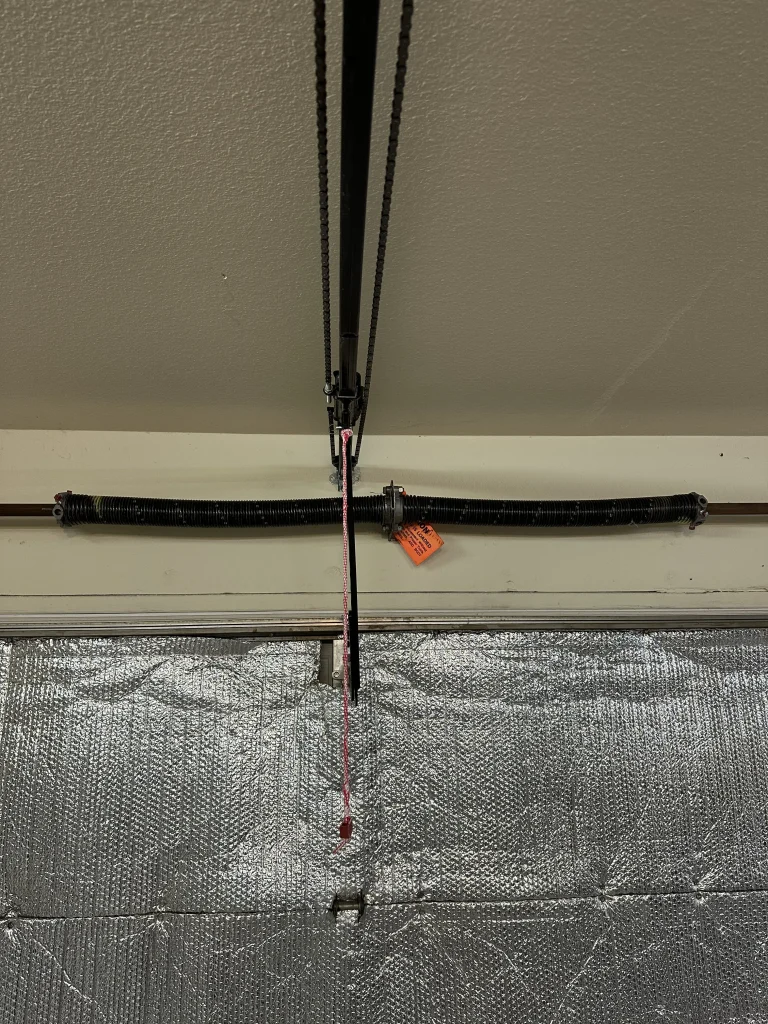
What High Cycle Garage Door Springs Actually Are
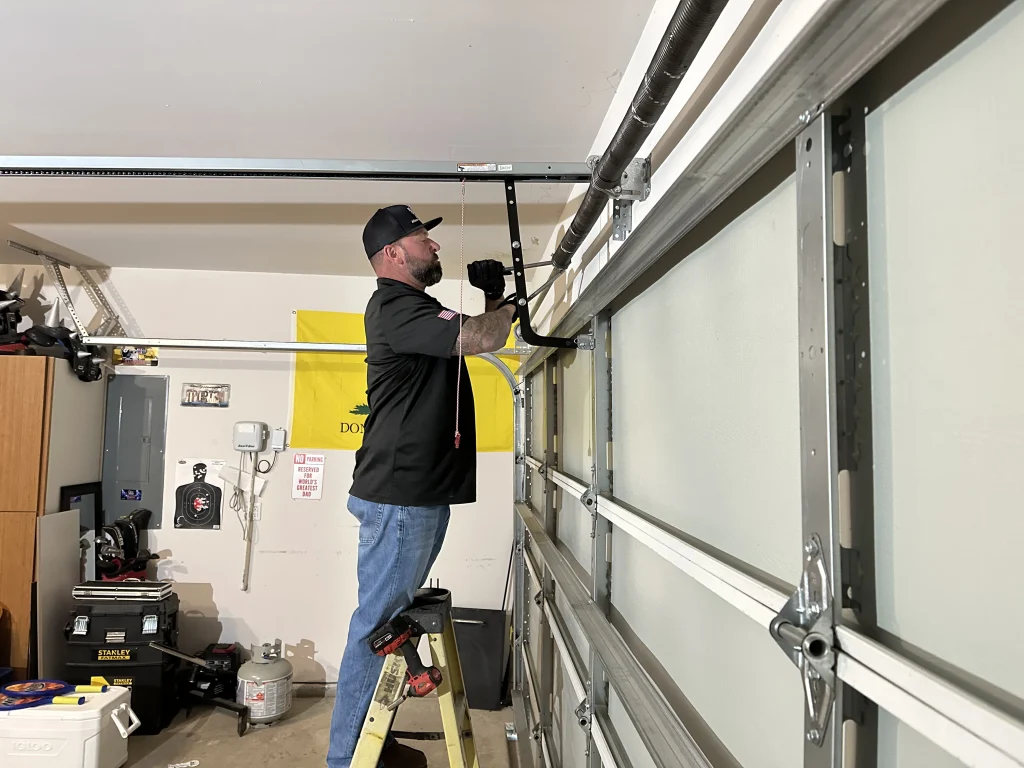
Every garage door needs a spring system to lift the weight of the door. Without it, that heavy panel would slam down or refuse to budge. Most doors use torsion garage door springs, which sit on a metal bar above the opening and wind up tight to store energy.
The difference between a standard spring and a high cycle spring comes down to how many times it can safely lift the door. A cycle means one full open and one full close. A basic spring is often rated for around 10,000 cycles. High cycle springs are built with thicker wire and more coils, so they can be rated for 20,000, 30,000, or even higher.
Think of it like the difference between a everyday pair of sneakers and a pair built for a marathon runner. Both work, but one is made to take far more punishment before it gives out. That extra strength is why heavy-duty garage door springs cost a bit more up front, though they often save money over time.
Want to dig deeper into the value question? Check out the guide “Are High Cycle Garage Door Springs Worth It?“ for a closer look.
The Short Answer: Yes, But Here Is How the Math Works
So, do high cycle garage door springs handle daily use? Yes. In fact, they are the best choice for homes where the door gets a heavy workout. A family that opens the door eight times a day racks up close to 3,000 cycles a year. On a standard 10,000 cycle spring, that means trouble in roughly three years. On a set of high cycle springs rated for 30,000 cycles, that same family could see a decade of service.
This is where high cycle springs really earn their keep in a place like Celina, TX. Many households here have two or three drivers, and the garage door often serves as the main entrance to the home. All that traffic wears out cheaper springs fast. Upgrading to heavy-duty garage door springs spreads that wear over far more openings, so the door keeps running smoothly for years longer.
The bottom line is simple. Daily use is not a problem for these springs. It is the exact situation they were built to handle.
Curious about the full timeline? The article “How Long Do High Cycle Garage Door Springs Last?“ breaks it down step by step.
How Long Do These Springs Really Last?
Garage door spring lifespan is measured in cycles, not just years. That is important because two homes can have the same springs and get very different results based on how often the door moves.
Here is a rough guide to garage door spring lifespan by cycle rating:
- 10,000 cycles: Around 3 to 5 years for the average family.
- 20,000 cycles: Around 7 to 10 years for most households.
- 30,000 cycles and up: A decade or more, even with heavy use.
Weather in North Texas plays a role too. Hot summers and cold snaps cause metal to expand and contract, which adds a little stress over time. Homes in Prosper and Aubrey that keep the door in an unshaded spot may see slightly faster wear. Even so, a quality set of torsion garage door springs will hold up well when it is properly sized and maintained.
The key takeaway is that garage door spring lifespan is not random. It follows the cycle rating pretty closely. Knowing that number helps a homeowner plan ahead instead of getting caught off guard by a broken garage door spring on a busy morning.
To learn what really separates these springs from the standard kind, read “What Sets High Cycle Garage Door Springs Apart?“ next.
Warning Signs to Watch For
Springs almost never fail without dropping a few hints first. Catching those signs early can turn a stressful emergency into a simple scheduled fix. Here is what to check.
- Listen for new sounds. A loud bang from the garage often means a broken garage door spring. Squeaking or grinding can point to worn coils that need attention.
- Watch how the door moves. A door that opens slowly, jerks, or feels heavier than usual may be telling you the springs are losing strength.
- Look for a sagging or crooked door. If one side hangs lower or the door will not stay open halfway, the spring balance is off.
- Check the springs by sight only. From a safe distance, look for gaps in the coils. A gap of one or two inches usually means the spring has snapped.
The most important rule here is to look, not touch. Torsion garage door springs hold a huge amount of tension, and a sudden release can cause serious injury. Spotting the warning signs is a job any homeowner can do. Handling the tension is a job for a trained pro who does torsion spring repair and replacement every day.
Simple Maintenance That Extends Life
Good garage door spring maintenance does not require special tools or risky work. It mostly comes down to keeping an eye on things and letting a professional handle anything that involves tension. A little care goes a long way toward getting the full garage door spring lifespan out of the parts.
Here are some safe habits that help.
- Do a monthly balance test. With the door closed and the opener disconnected, a technician can lift the door halfway by hand during a service visit. If it stays put, the balance is good. Homeowners can watch how the door behaves during normal use and report anything that feels off.
- Keep the tracks and hardware clean. Dirt and grime force the whole system to work harder, which puts extra strain on the springs. Wiping down the tracks now and then reduces that load.
- Ask for light lubrication during service. A pro will apply the right product to the coils and moving parts. This cuts friction and slows wear.
- Schedule a yearly inspection. A trained eye catches small issues before they become a broken garage door spring. Many homes in Celina, McKinney, and Prosper get a tune up once a year, and it is one of the smartest moves a homeowner can make.
Regular garage door spring maintenance is the cheapest form of insurance available. It will not make the springs last forever, but it helps them reach their full rated life and keeps the door running the way it should.
What It Costs and What Affects the Price
Garage door spring cost is one of the first things people ask about, and for good reason. The honest answer is that it depends on a few factors, so it helps to think in average terms rather than a fixed figure.
A standard garage door spring replacement usually lands in the low to mid hundreds on average, including parts and labor. Upgrading to high cycle garage door springs adds a bit to that average because the parts themselves are heavier and better made. That extra investment often pays for itself, since a longer garage door spring lifespan means fewer service calls down the road.
Several things affect the final garage door spring cost:
- Door size and weight. A large two-car door needs stronger springs than a single door.
- Spring type. Torsion garage door springs generally cost a little more than older extension styles, but they last longer and run smoother.
- Cycle rating. Heavy-duty garage door springs carry a higher average cost than basic ones, though they deliver more value per dollar over time.
- Single vs. paired replacement. Many pros suggest replacing both springs at once, since a matched set wears evenly and avoids a repeat visit.
When weighing garage door spring cost, it helps to look past the sticker and think about cost per year of service. A cheaper spring that fails in three years can end up pricier than a set of high cycle springs that runs for ten. That long view is why so many homeowners in Aubrey and McKinney choose the upgrade during a garage door spring replacement.
When to Call a Local Pro
Some home projects are perfect for a weekend. Garage door spring repair is not one of them. The tension stored in a wound spring is powerful enough to cause broken bones or worse if something slips. This is the single biggest reason to leave torsion spring repair and replacement to a trained technician.
A professional brings the right tools, the correct replacement parts, and the experience to size everything properly. Getting the spring size wrong throws off the whole door and shortens the garage door spring lifespan of the new parts. A good tech also checks the cables, rollers, and opener while on site, so small problems get caught early.
For homeowners in Celina, TX, the smart move is to work with a local company that knows the area and can respond quickly. A broken garage door spring can leave a car trapped inside the garage, which is a real headache on a work morning. Fast, reliable garage door spring repair matters. Companies that serve Celina along with Prosper, McKinney, and Aubrey understand the local climate and the common door styles in these neighborhoods, which helps them recommend the right high cycle garage door springs for each home.
When it comes time for a garage door spring replacement, ask about high cycle options. Spending a little more on heavy-duty garage door springs during the visit often means one less service call for years to come.
Are High Cycle Springs Worth It for Daily Use?
So, do high cycle garage door springs handle daily use? Without a doubt. These springs were designed for homes where the door works hard every single day, which describes plenty of busy households across Celina, TX and the surrounding towns of Prosper, McKinney, and Aubrey. By understanding cycle ratings, watching for warning signs, keeping up with simple garage door spring maintenance, and calling a pro for anything involving tension, any homeowner can enjoy a smooth, quiet, reliable door for years.
The next time the garage door starts to sound off or move slowly, treat it as an early heads up. A quick inspection today beats a broken garage door spring tomorrow. Staying ahead of trouble also means knowing when to call for help, whether that is garage door panels repair after a dent or ding, or fast emergency garage door repairs when a spring snaps and traps a car inside. And when replacement time comes, choosing high cycle springs is one of the easiest upgrades a homeowner can make.
Trusted Garage Door Help in Celina, TX
Alliance Overhead Door has earned a strong reputation across Celina, Prosper, McKinney, and Aubrey by delivering honest advice, quality parts, and dependable service on every visit. Our skilled team specializes in high cycle garage door springs and knows exactly how to size and install the right set for a busy household, so the door keeps running smoothly for years. From a quick inspection to a full garage door spring replacement, homeowners get workmanship they can count on and friendly service that puts safety first. Contact us today or give us a call to schedule your service and keep your garage door working its best.
Frequently Asked Questions
How long do high cycle springs last?
A set rated for 30,000 cycles often lasts a decade or more for an average family, compared to about three to five years for a standard spring.
What is a cycle?
One cycle is a single full open plus a single full close of the garage door.
Are torsion garage door springs better than extension springs?
For most homes, yes. Torsion garage door springs run smoother, last longer, and offer better balance and safety.
What are the signs of a broken garage door spring?
A loud bang, a door that suddenly feels heavy, a visible gap in the coils, or a door that will not open are all common signs. For more on door standards and safety, the International Door Association is a helpful resource.
Can a broken spring be fixed, or does it need replacing?
A broken garage door spring should be replaced, not patched. Torsion spring repair and replacement is a job for a trained technician due to the tension involved, which is why safety authorities like OSHA stress caution around high-tension equipment.
Should both springs be replaced at the same time?
On a two-spring door, yes. Replacing both at once keeps wear even and avoids a quick repeat service call.
How much does a garage door spring replacement cost?
Garage door spring cost varies by door size and spring type, but it generally falls in the low to mid hundreds on average, with high cycle upgrades costing a bit more.
Can garage door spring repair be a DIY project?
It is strongly discouraged. The stored tension can cause serious injury, so garage door spring repair should be left to a professional.
How can garage door spring lifespan be extended?
Regular garage door spring maintenance helps, including keeping tracks clean, scheduling yearly inspections, and having a pro apply proper lubrication during service.