When your garage door does not open, worn or broken springs are often the cause. Learning how to change garage door springs safely and correctly can save you time, money, and stress. This guide covers every step, from identifying spring types to using the right tools, so you can avoid mistakes and stay safe throughout the process.
Most people do not realize how dangerous damaged torsion or extension springs can be until it is too late. This guide provides safety tips and clear instructions that are easy to follow. With the right tools and proven techniques, you can feel confident doing the work yourself. Get started now and fix the issue the right way.
Why Garage Door Spring Replacement is Not Optional
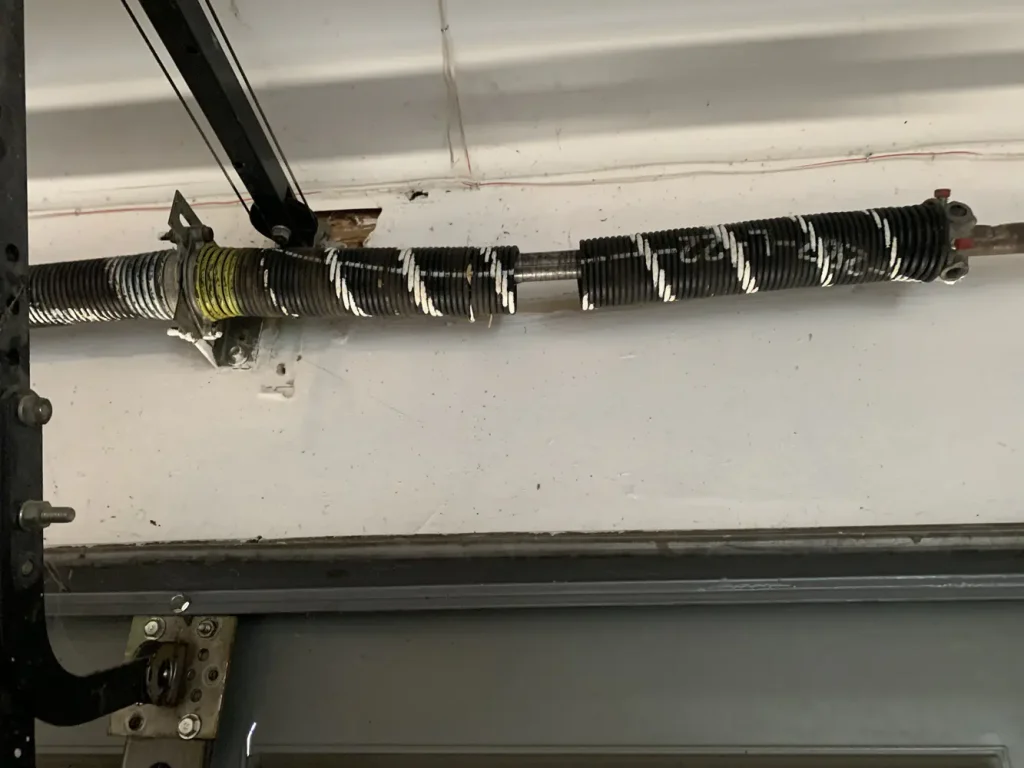
Garage door springs carry most weight each time the door opens or shuts, making smooth movement possible. Before changing garage door springs, it’s helpful to understand how they work and support the door’s movement. Without working springs, your garage door won’t move smoothly or might not open.
Torsion and extension springs carry a lot of tension. When they snap or wear out, the door can slam shut or stop midway. This can damage the garage door opener, cause injury, or lead to expensive garage spring repairs down the road.
Changing broken springs is not just about convenience, it’s about safety. It’s a safety must. Even a strong motor can’t lift a door without help from the springs. Replacing them quickly keeps your system working right and prevents bigger problems later.
Safety Warning – Don’t Skip This Step
Before working on any garage door spring, remember that it can be dangerous. The tension in these parts is strong enough to cause serious injuries.
Wear safety goggles and work gloves to shield yourself from flying metal or sudden movement. Secure the garage door using C-clamps or locking pliers. Never try to remove a spring while it’s still under tension. Ensure that you release it the right way.
Some repairs are too risky without experience. If you don’t have the right tools or feel unsure, call a professional garage door technician. A quick call could help you avoid a serious accident.
The Different Garage Door Spring Types and Their Function
Identifying which type of spring your garage door uses before starting the replacement process is essential. Torsion and extension springs work differently and affect how the job gets done.
| Feature | Torsion Springs | Extension Springs |
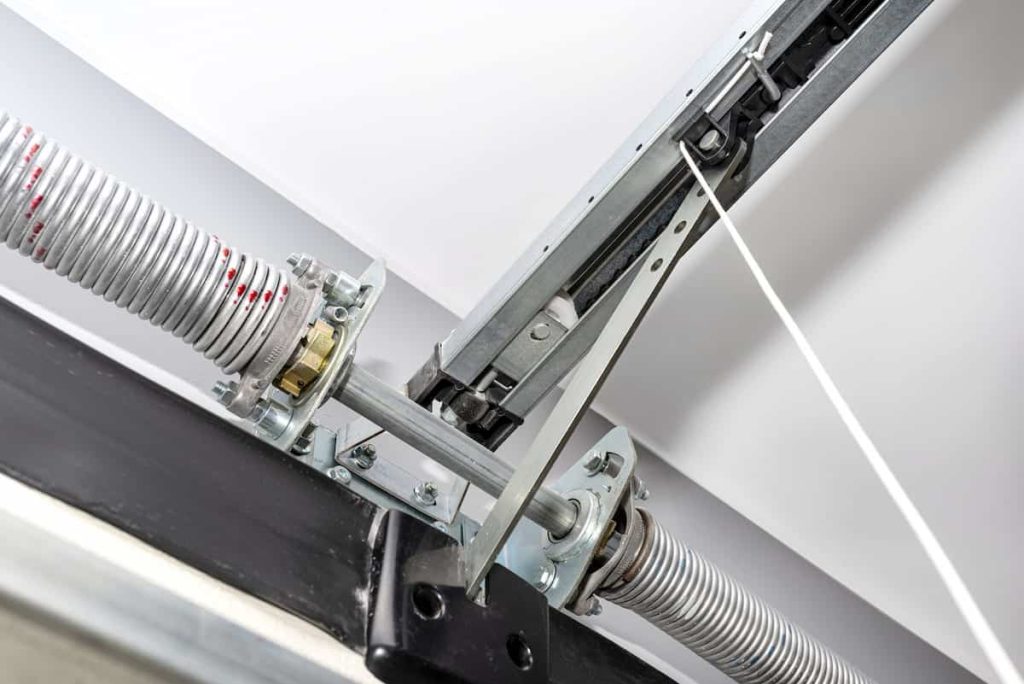
| Location | Mounted above the door on a metal shaft. | Mounted along the side tracks horizontally. |
| How They Work | Coil and uncoil to lift or lower the door. | Stretch and contract to support the door weight. |
| Smoothness | Provide smoother, more controlled movement. | It can be bouncier and less controlled. |
| Durability | Last longer and handle more cycles. | Wear out faster, especially under stress. |
| Safety | They are safer when they fail and usually stay on the shaft. | It can snap and become a hazard. |
| Cost | Higher upfront cost. | Lower cost and easy to replace. |
| Common Use | Newer homes and heavy garage doors. | Older garage systems or lighter doors. |
Tools You Need to Change Garage Door Springs
Using the proper tools helps you work more safely and do the job with less hassle. Here’s what you need to get started:
- Winding bars (never substitute with screwdrivers)
- C-clamps or locking pliers
- Adjustable wrench or socket wrench
- Safety goggles and gloves
- Ladder
- Measuring tape
- Replacement springs (match the same size and type as the original ones)
Using incorrect tools increases the chance of slipping, stripping bolts, or losing control of the spring during winding, which can be very dangerous.
How to Prepare Before Replacing Garage Door Springs
A little preparation at work can prevent big mistakes. Before starting, power down and clear the work area.
- Disconnect the garage door opener to prevent it from turning on by mistake.
- Use clamps to secure the door in place.
- Release the spring tension according to its type.
- Measure the length, diameter, and wire size of your current spring.
Ordering the wrong spring size will throw off the entire balance. If unsure, take the old one to a hardware store for reference.
Step-by-Step Guide to Changing Torsion Springs
Torsion spring replacement can be tricky if you miss a step. Follow this guide to safely handle the job without damaging your garage door opener system.
Step 1: Disconnect the Opener and Lock the Door in Place
Always disconnect the garage door opener and place C-clamps under the bottom rollers. This stops the door from moving while the torsion springs are being worked on.
Step 2: Mark the Spring Position for Reference
Use a marker to outline the current positions of the spring and cable drum. These markings make it easier to reassemble everything correctly on the torsion bar later.
Step 3: Loosen and Unwind the Old Springs
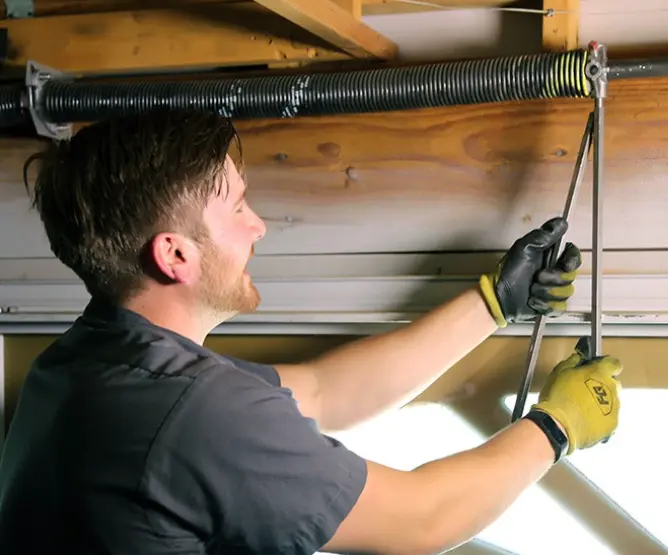
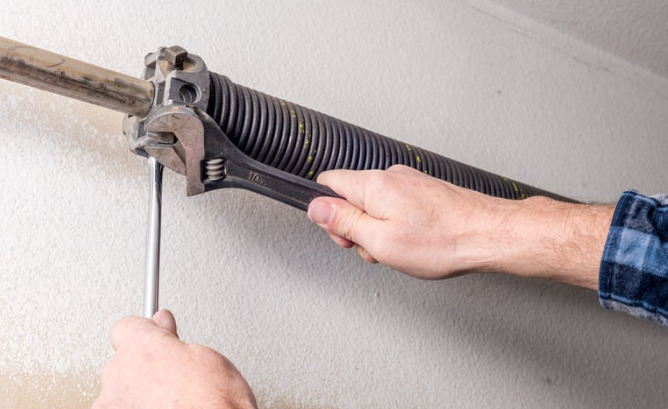
Insert winding bars into the winding cone carefully. Turn in small quarter rotations and slowly release spring tension. Never rush this part during garage door spring repair.
Step 4: Remove and Inspect the Old Spring
Slide the spring off the torsion bar and check for cracks, rust, or distortion. A faulty spring may cause the door to become unbalanced or lead to further issues.
Step 5: Install and Wind the New Spring
Fit the new spring properly and wind it the same number of turns as before. Count each quarter turn to make sure the balance stays accurate.
Step 6: Double-check Tension and Test the Door
Once tightened, remove the clamps and lift the door manually. If it stays balanced halfway, reconnect the garage door opener and test the whole movement.
Step-by-Step Guide to Changing Extension Springs
Extension springs are usually easier to work with, but safety remains a significant concern. This guide will help you replace them without damaging your garage door system.
Step 1: Open the Door and Clamp It in Place
Lift the garage door and place locking pliers or C-clamps on both sides of the door. This removes spring tension and maintains stability.
Step 2: Remove Safety Cables and Unhook the Old Spring
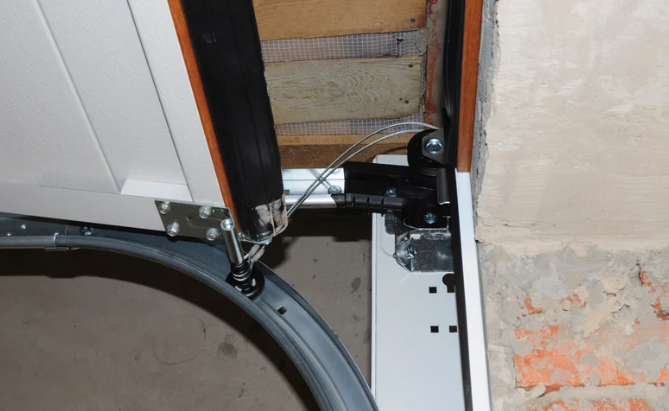
Carefully unclip the safety cables from each side. Next, unhook the old extension spring from the bracket or eye bolt where it’s attached.
Step 3: Select and Attach the Correct Replacement Extension Spring
Before installing, make sure the new spring is the same strength and length as the old one. Securely hook it in place on the track and bracket.
Step 4: Secure the Safety Cables and Check Spring Tension
Reconnect the safety cables, ensuring they remain snug. Lift the garage door to the halfway point and release it. If it holds steady, the spring tension is adjusted correctly.
Common Mistakes to Avoid When Replacing Springs
Even if you know how to change garage door springs, a few common errors can set you back.
- Reusing old hardware can lead to weak connections or failure.
- Incorrect spring size throws off the door balance and can damage the opener.
- Over-tightening torsion springs increases the risk of breakage.
- Skipping the balance test may leave the door hard to operate or unsafe.
Always test and inspect thoroughly before calling the job done.
When to Hire a Professional Instead
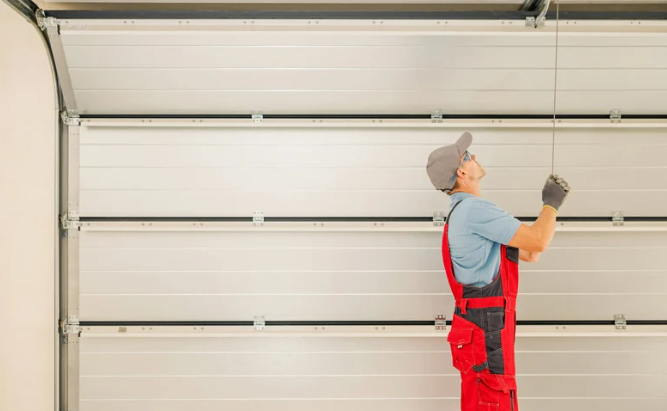
Not every garage spring repair is safe to handle yourself. If your system has multiple torsion springs, innovative features, or a tricky counterbalance, skip the DIY. Feeling unsure about tools or steps means it’s time to call a professional for safe and proper garage door repair.
Hiring a professional can prevent future issues. An experienced technician can fine-tune spring tension, align the tracks, and reprogram the opener correctly. They inspect the entire garage door system to ensure it operates smoothly and efficiently. Choosing professional garage door repair lowers the chance of accidents and helps keep your system safe from further damage.
Garage Door Spring Maintenance Tips
Keeping your garage door springs in good shape is easier than you think. These small steps help prevent damage and extend their working life.
1. Lubricate Springs Every 3–6 Months
Use a garage-specific lubricant, not silicone spray. Coat the coils lightly to reduce friction and help the springs move smoothly, increasing their lifespan.
2. Check for Rust, Gaps, or Fraying
Look over your garage door springs regularly. Rust spots, stretched coils, or fraying cables are early signs that your spring system needs attention soon.
3. Test Door Balance by Lifting Manually
Disconnect the garage door opener and lift the door halfway. Your spring tension is no longer balanced if it falls or feels heavy.
Keep Up With Regular Spring Maintenance
Garage spring maintenance helps avoid sudden breaks. You can safely postpone expensive spring replacements with just a few minutes of care each season.
Spring systems don’t last forever, but you can prolong their lifespan with routine care.
FAQs on How to Change Garage Door Springs
Can I use any spring, or do I need a specific type of spring?
You need a spring that matches your door’s weight, size, and system type. Using the wrong spring can cause poor balance, noisy operation, or damage. Always check the model or ask for garage door spring specifications before buying a replacement.
How much tension should garage door springs have?
Garage door springs must be tight enough to lift the door easily, but not so tight as to cause strain. Torsion springs typically require a specific number of turns, which is determined by the door height. Always follow the manufacturer’s guidelines or consult a garage door technician.
Can I replace just one garage door spring?
Not recommended. Garage door springs are designed to work as a pair and wear out at the same rate. Replacing only one can cause imbalance, noise, and faster failure of the remaining old spring. It’s safer to replace both at the same time.
How many turns are needed to wind a torsion spring?
Most standard residential doors need about 30 quarter turns per spring. This number may vary depending on the door’s height and weight. Count carefully while winding and never exceed the required turns to avoid damaging the garage door spring system.
What happens if a garage door spring breaks while opening?
The door may slam shut, hang crooked, or jam halfway open. This puts stress on the opener and can be dangerous. Stop using the opener, disconnect power, and inspect the garage spring for breakage before moving further.
Conclusion
Knowing how to change garage door springs safely and correctly takes time, but it can save you money and stress. With the right tools and steps, homeowners can often handle the basics. Just go slow, stay safe, and ensure everything works before reconnecting the opener.
Still, some situations are best left to professionals. Multiple torsion springs, opener issues, or unexpected damage can make things risky. That’s when it helps to call Alliance Overhead Door. We offer trusted, affordable garage door repair in Celina, TX, with fast service and expert care.
Our local team is trained to identify hidden problems and resolve them promptly, ensuring a seamless experience from start to finish. Whether your door feels heavy or the spring snapped suddenly, we’re here to help. Reach out today to schedule your service and keep your garage door running smoothly again.
End Note
Alliance Overhead Door is your go-to expert for garage door spring repair and replacement if you’re dealing with a broken spring or just want peace of mind. From torsion spring replacement to comprehensive garage door repair, we handle every job with care, speed, and precision. Whether it’s a minor fix or a complete garage door replacement, we make sure everything works like new.
We proudly serve homeowners across North Texas. You can explore all our service areas to see if we’re near you or visit our garage door services page to learn more about what we offer. We specialize in residential garage doors, garage door openers, and emergency garage door repairs, so help is just a click away when you need it most.
Learn more about us on our About Us page or explore our past work and customer reviews. For helpful tips, browse our blog posts or follow us on Instagram and Yelp for more updates. Ready to get started? Contact us or use our online booking tool for fast and reliable service today. Visit aodtexas.com to see how we can help with all your garage door needs.
Alliance Overhead Door
2710 Wildwood Ln, Celina, TX 75009, United States
+19723704710