Have you ever wondered what keeps your garage door opener running smoothly every day? Understanding the parts for a garage door opener gives you more control over your system. It makes maintenance easier, helps avoid expensive replacements, and saves time. Whether you’re hearing strange noises or experiencing slow operation, understanding what each part does enables you to resolve minor issues quickly.
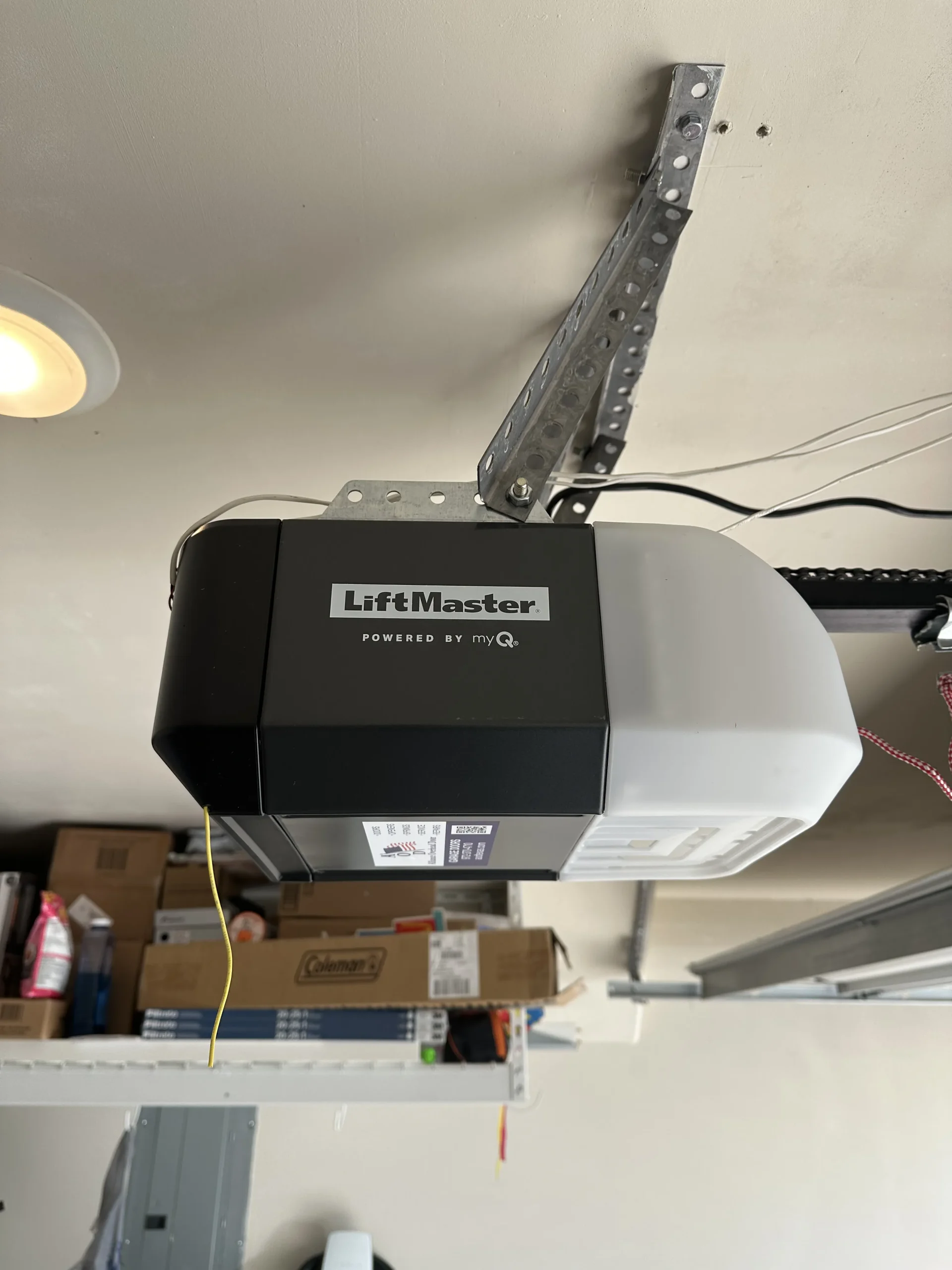
Learning the names and functions of opener parts lets you recognize early signs of wear, such as delays, grinding, or incomplete closing. When you maintain and lubricate the correct components on schedule, your opener functions more efficiently and lasts longer. This guide covers the most important parts, explains how they work, and provides tips on how to keep them in top shape.
Quick Overview: How a Garage Door Opener Works
Most openers share a similar core structure. Once you understand how it operates, you will find troubleshooting or replacing parts for a garage door opener easier.
Basic Mechanics Explained Simply
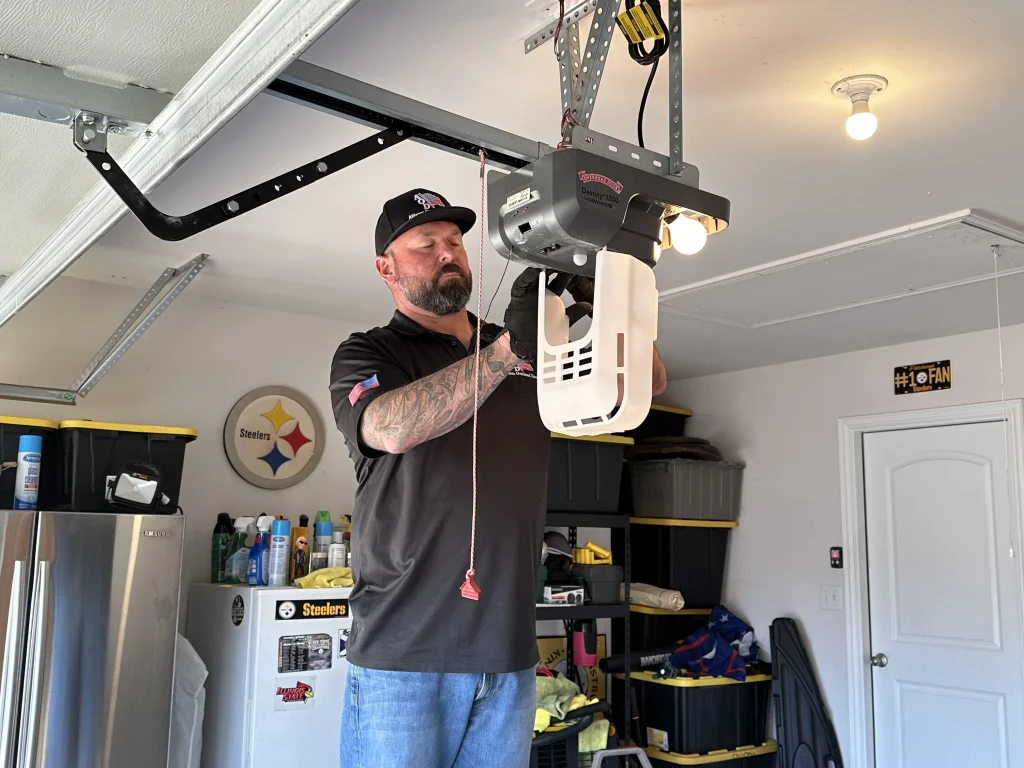
Your garage door opener pulls the door open using a motorized drive system connected to a rail. It stops at the top and bottom using sensors and limit switches.
What Connects and Powers the System
Electric power runs the motor, which drives a trolley along a rail. The trolley is connected to the door by an arm and a carriage.
Manual vs. Automatic: Do Parts Differ?
Automatic openers use remotes, sensors, and logic boards, while manual systems rely on human effort. While some hardware overlaps, automatic models have more electronic components.
The 10 Core Parts of Every Garage Door Opener
Below is a detailed list of essential components found in most systems. These key parts handle lifting, lowering, safety functions, and reliable power distribution during daily use.
1. The Motor – The Heart of the System
The motor powers the entire garage door opener. It determines lifting strength, opening speed, and overall performance, making it the system’s most critical component.
2. The Drive Mechanism (Chain, Belt, or Screw)
This mechanism transfers motion from the motor to the trolley. Chain drives are durable, belts are quiet, and screw drives work best with heavier doors.
3. Rail Assembly – The Pathway for Movement
The rail assembly guides the trolley along a fixed path. It must be securely mounted and regularly lubricated to ensure quiet, smooth, and reliable operation.
4. Trolley and Carriage – The Pull System
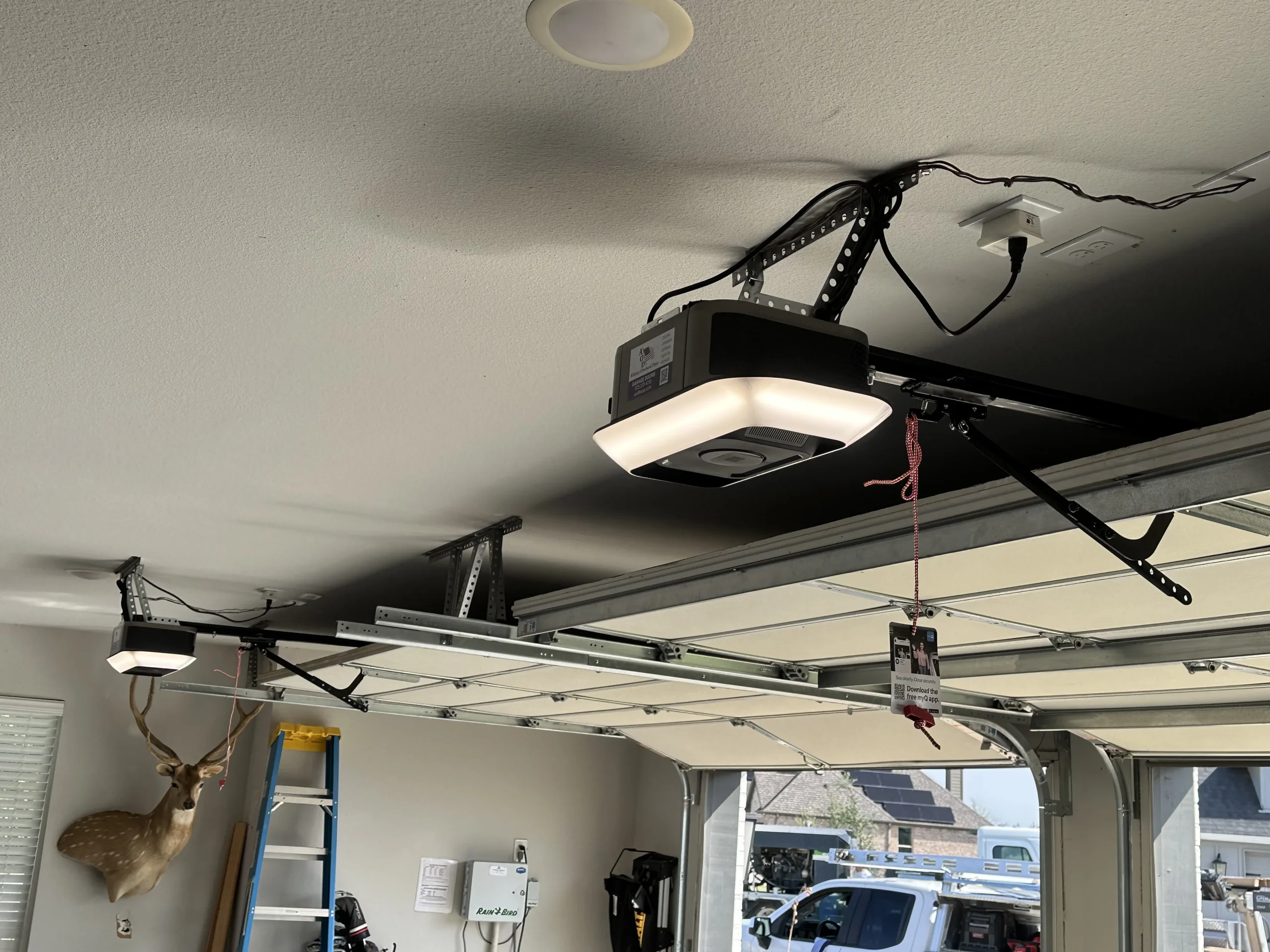
The trolley connects the garage door to the drive system. It moves along the rail, pushing or pulling the door when activated by the motor.
5. Emergency Release Cord – Safety First
This cord disconnects the door from the opener for manual use during power outages. It’s usually red, easily accessible, and critical for emergency operations.
6. Limit Switches – Controlling Travel Distance
Limit switches tell the opener when to stop. They control how far the door opens and closes, preventing over-travel and potential damage to components.
7. Remote Controls and Keypads
Remotes use radio signals for convenient operation, while keypads allow secure entry using a PIN. Both offer added flexibility and convenience for accessing your garage.
8. Safety Sensors and Photo Eyes
Positioned near the floor, these sensors detect obstacles in the door’s path. If blocked, they send a signal to stop or reverse the garage door.
9. Light System and Circuit Board
The light improves visibility when entering or exiting the area. The circuit board processes inputs from remotes, sensors, and switches to control door movement and lighting.
10. Wall Console or Push Button Control
Located inside the garage, this console allows you to open and close the door, control the lighting, and enable vacation lockout mode for added safety and security.
Common Replacement Parts for a Garage Door Opener and Why They Fail
Understanding which parts wear out the fastest helps you plan, reduce downtime, and keep your garage door opener working safely and efficiently every day.
Signs of Wear in Key Components
- Unusual Noises: This may signal motor or drive issues.
- Delayed Response: This could mean remote or sensor trouble.
- Partial Movement: Often caused by track or gear wear.
- Flickering Lights: This may indicate problems with the circuit board or sensor.
Most Frequently Replaced Opener Parts
The most commonly replaced parts for a garage door opener include the drive belt, sensors, remote batteries, light bulbs, wall consoles, and gear kits.
How to Source OEM vs Aftermarket Parts
OEM parts perfectly match your opener. Although aftermarket versions may cost less, they can vary in terms of fit and quality. Always check compatibility before buying.
Garage Door Opener Compatibility: Matching the Right Parts
Getting the right parts for a garage door opener is not always simple. Compatibility depends on your opener’s brand, model number, and the part you’re replacing.
| Compatibility Factor | What it Means | What to Do |
| Brand-Specific Compatibility | Some parts are exclusive to brands like LiftMaster, Genie, or Chamberlain. | Check the manufacturer’s manual or website to confirm part compatibility. |
| Model Number Matching | The model number reveals details like drive type, motor strength, and electronics. | Use this number when purchasing replacement parts to ensure compatibility. |
| Universal vs. Model-Specific | Remotes and keypads may be compatible across brands, but major components rarely are. | Use universal parts only where permitted, and always verify that major parts match your exact model. |
DIY Repair vs. Professional Help – Know Your Limits for a Garage Door Opener
It’s tempting to fix things yourself, but some repairs require expertise and tools that few people have.
When It’s Safe to DIY
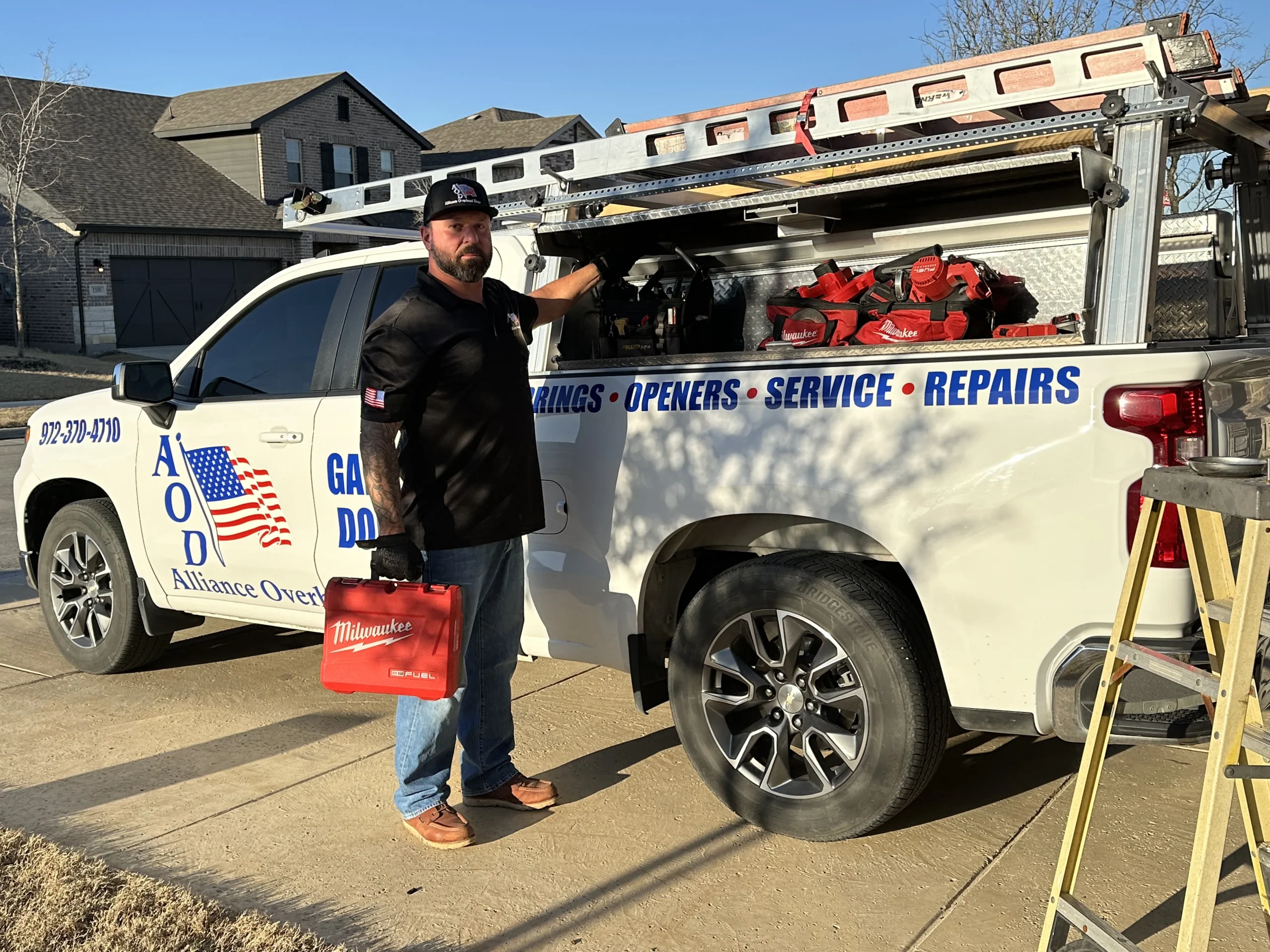
You can safely replace remotes, batteries, bulbs, or even a keypad. Light rail adjustments and cleaning sensors are also DIY-friendly.
Signs You Need a Technician
- The motor is smoking or overheating
- The trolley is stuck or not moving
- The door won’t close fully, even with sensors aligned
Tools You’ll Need for Part Replacement
- Screwdrivers (flathead and Phillips)
- Socket set
- Level
- Wire cutters
- Safety glasses
- Work gloves
Maintenance Tips to Prevent Garage Door Opener Part Failures
Preventing part failure is cheaper than repairing it. Follow these simple checks and routines to extend the lifespan of your garage door opener.
1. Monthly Lubrication Checklist
Use silicone-based lubricant on chains, rails, and rollers. Avoid greasing plastic parts or photo eyes. Always wipe off dust before applying.
2. Sensor and Track Alignment Best Practices
Ensure sensors face each other and are no more than 6 inches off the ground. Rails should be parallel and tightly secured.
3. Replacing Batteries and Remote Calibration
Replace remote and keypad batteries every 6-12 months. Reprogram the remote to the opener after replacing the battery to restore communication.
Staying on top of simple maintenance can save you from expensive repairs. A few minutes each month keeps your garage door opener working safely and smoothly.
FAQs About Garage Door Opener Parts
What are the most common garage door opener parts that break?
The most common parts to fail are drive belts, safety sensors, remotes, light sockets, and gear kits. Motors and circuit boards can also stop working due to age, overheating, or damage from electrical surges.
How can I determine if my garage door opener motor is malfunctioning?
If your motor makes a humming sound, shuts off quickly, or emits a burning smell, it may be failing. These signs typically indicate overheating, worn internal parts, or complete motor failure, necessitating repair or replacement.
Can I upgrade just the remote or keypad?
Yes, remotes and keypads are often easy to upgrade. Just ensure that the new device matches your opener’s brand, frequency, and programming style so everything syncs and works correctly without issues.
Are belt drives quieter than chain drives?
Yes, belt-driven openers are significantly quieter than chain-driven openers. They’re ideal for homes with attached garages, offering smoother, low-noise operation that won’t disturb bedrooms or living spaces nearby.
How do I reset my garage door opener after replacing a part?
To reset, press the “learn” button on your opener, then press and hold the remote or keypad button until the opener light flashes. This pairs the new part correctly with your system.
Conclusion
Your garage door opener relies on several parts working together. When even one component fails, the whole system struggles. Understanding the parts for a garage door opener helps you catch issues early, maintain performance, and keep your home safe with fewer surprises or sudden breakdowns.
Minor problems, such as worn belts, stuck trolleys, or dirty sensors, often signal deeper wear. When you recognize the warning signs, you can take action before damage spreads. That’s why being informed about your opener’s components puts you in control and helps you make smarter repair decisions.
If something seems off, don’t ignore it. Early attention to the right parts can save money and prevent bigger repairs down the line. For trusted service, expert advice, and fast solutions, count on Alliance Overhead Door for reliable garage door repair in Celina, TX, that keeps everything running smoothly.
End Note
If you’re looking for dependable parts for a garage door opener, Alliance Overhead Door has you covered. We offer high-quality parts that fit most major brands, from remotes and rails to motors and keypads. Visit our main website to find exactly what you need and enjoy expert help from our friendly, local team.
We handle everything from garage door installation to garage door repair and emergency garage door services. Whether you’re upgrading to a smart opener like the LiftMaster 98022 or replacing worn hardware, we make it simple. Explore our garage door services and garage door openers to discover our comprehensive range of solutions for your home.
To learn more, visit our About Us page, browse our work to see real projects from local homes, or read customer reviews to hear what homeowners have to say about our service. Check out our helpful blog posts for tips on maintaining your garage door and avoiding costly repairs. You can also follow us on Instagram or Yelp for project updates, repair tips, and special offers. Ready to schedule your service? Use our Contact Us form or book online today for a fast and reliable service you can trust.
Alliance Overhead Door
2710 Wildwood Ln, Celina, TX 75009, United States
+19723704710