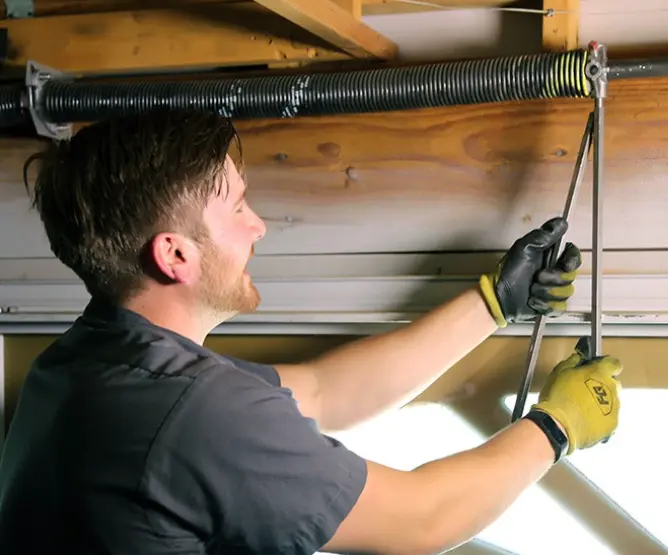
Garage door springs play an important role in helping a garage door open and close safely by supporting much of the door’s weight. When a garage door spring snaps, the system can quickly become unbalanced, causing the door to feel very heavy, move unevenly, or stop opening properly.
In Celina, Texas, frequent daily use, temperature changes, and normal wear can place stress on torsion and extension springs over time. Recognizing the warning signs of spring failure can help homeowners address the issue early and avoid additional damage to other components, including parts that may eventually require garage door panel repair.
A Loud Snapping Sound May Be the First Sign
One of the most common signs of a broken garage door spring is a loud snapping or banging noise coming from the garage. The sound may be startling and is often mistaken for something falling or a door slamming.
Garage door springs store a significant amount of tension to counterbalance the weight of the door. When a spring reaches the end of its lifespan or develops structural damage, the stored energy is released quickly as the spring breaks. This sudden release of tension produces the loud sound many homeowners notice.
In many situations, the noise may occur even when the garage door is not in motion. A spring can break while the door is closed, simply due to accumulated stress within the metal coil.
If a loud snap is heard in the garage, it is helpful to visually inspect the door system before attempting to operate it again. Continuing to use the door without checking the spring system may place unnecessary strain on the garage door opener and other mechanical components.
For a deeper understanding of early warning signs and safety precautions, the blog Signs of a Broken Garage Door Spring (And What Not to Do) provides additional helpful insights for homeowners.

The Garage Door May Suddenly Feel Extremely Heavy
Another noticeable change after a spring snaps is the weight of the garage door. Springs are designed to support most of the door’s weight, allowing it to move smoothly with minimal effort.
When a spring breaks, that balancing force disappears. The garage door opener or manual lifting effort must suddenly handle the full weight of the door.
Most residential garage doors weigh between 130 and 300 pounds, depending on the material and insulation. Without spring assistance, the door can feel extremely heavy and difficult to lift.
Homeowners may notice that:
- The door is hard to lift manually
- The opener struggles to raise the door
- The door moves slowly or stops during operation
Forcing the door open in this condition can place extra stress on the garage door opener motor, gears, and drive system. If the door suddenly feels heavier than normal, the spring system may require inspection.
For additional guidance on identifying this issue, see the blog How Do You Know If You Have a Broken Garage Door Spring? offers more helpful insights for homeowners.
The Door May Only Open a Few Inches
Modern garage door openers include safety features designed to protect the system when excessive resistance is detected. When a spring breaks, the opener may sense the additional weight of the door and stop operating.
In this situation, the door might begin to open but stop after only a few inches. The opener may reverse direction or shut off completely.
This behavior often occurs because the opener’s internal safety mechanism is preventing further strain on the motor and internal components.
Homeowners might notice several signs, including:
- The door starts to open, but stops suddenly
- The opener produces unusual sounds
- The door reverses shortly after moving
This safety feature helps protect the opener from damage, but it can also indicate that the garage door system is no longer properly balanced.
For more information about this situation, see the blog Can You Open a Door With a Broken Garage Door Spring? explains what homeowners should know before attempting to operate the door.
The Garage Door May Close Much Faster Than Normal
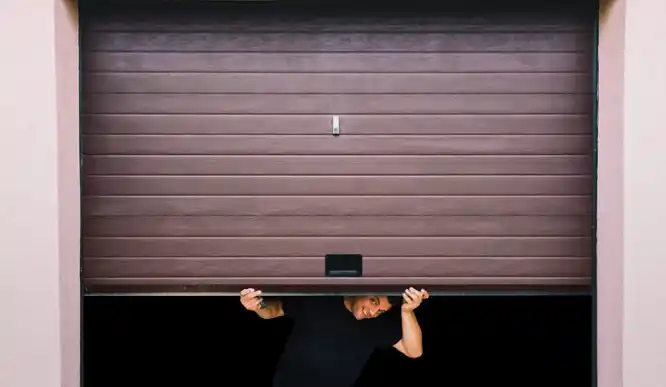
Garage door springs not only assist with lifting the door but also help control the speed of the closing motion. When the spring system loses tension, the door may begin closing much faster than expected.
Without the spring balancing the door’s weight, gravity takes over. The result can be a door that drops more quickly than normal.
Some common signs include:
- The door slams shut
- The door shakes or vibrates during closing
- Loud impact sounds when the door reaches the ground
A rapidly closing door can become a safety concern for children, pets, vehicles, or items stored inside the garage. Fast-closing doors can also place additional stress on other components, such as the garage door panels, hinges, and tracks.
Avoiding repeated operation of the door until the spring system is evaluated can help reduce the risk of further damage. Homes in Prosper, TX that rely on garage doors for daily entry may occasionally experience this issue when a spring becomes worn or breaks unexpectedly.
A Visible Gap May Appear in the Spring
A broken spring is often visible during a basic inspection of the garage door system.
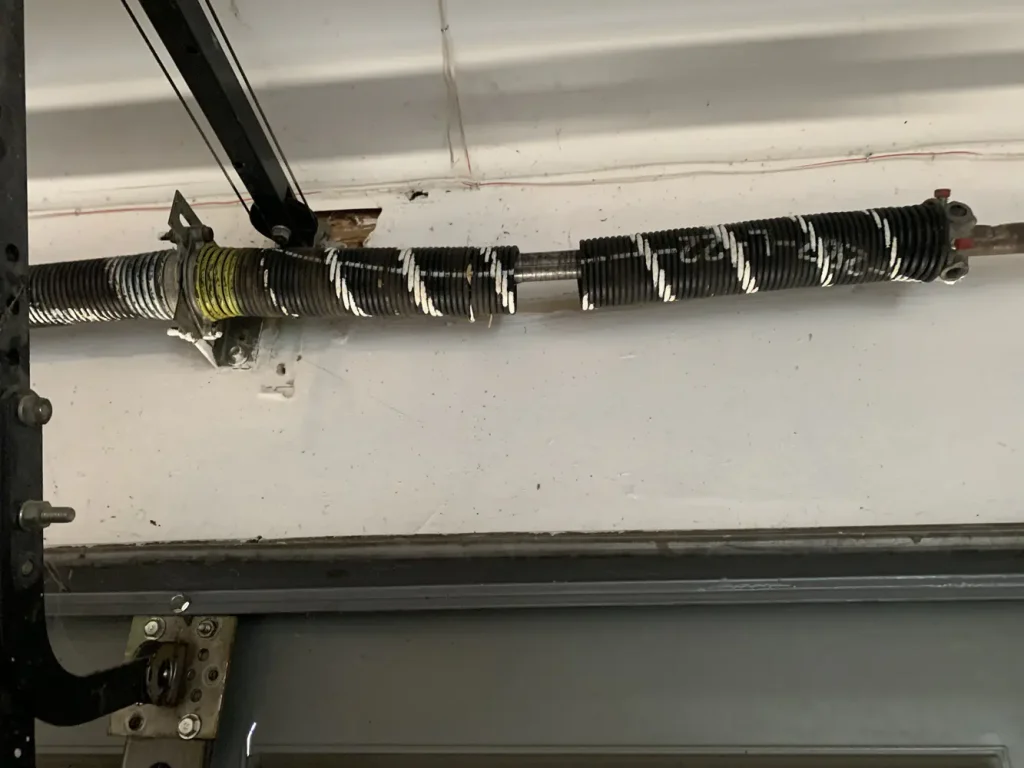
For doors equipped with a torsion spring, which is typically mounted above the garage door opening, a break may create a noticeable gap in the metal coil. This separation is often easy to see once the spring has snapped.
Garage doors that use extension springs, located along the horizontal tracks, may show signs such as:
- A stretched or hanging spring
- Uneven tension along the spring
- Visible distortion in the coil
Standing at a safe distance while inspecting the spring system is recommended. Because springs operate under high tension, direct contact with damaged components should be avoided.
A visible gap in the spring is one of the clearest signs that the spring system is no longer functioning correctly. Homeowners in McKinney, TX, who regularly use their garage doors may occasionally notice this visual sign when a spring reaches the end of its lifespan.
The Garage Door May Move Unevenly
Many garage door systems rely on two springs working together to maintain balance. If one spring breaks while the other remains intact, the door may begin moving unevenly.
An unbalanced door can tilt to one side as it travels along the tracks. This uneven movement may create additional stress on several parts of the system.
Possible signs of imbalance include:
- The door appears crooked during movement
- Jerky or shaky motion while opening or closing
- Increased noise coming from the track system
Uneven movement can affect multiple components, including:
- Garage door cables
- Rollers
- Hinges
- Track alignment
When the door no longer moves smoothly, it may indicate that the spring system or counterbalance assembly needs inspection.
The Garage Door Opener May Start Struggling
Garage door openers are designed to guide the door rather than lift its full weight. The spring system carries most of the load, allowing the opener to operate efficiently.
When a spring fails, the opener may begin working much harder than intended. Over time, this strain can affect the performance of the motor and internal gears.
Common signs of opener strain include:
- Slower door movement
- Grinding or straining sounds
- The opener stops during operation
Continuing to operate the door under these conditions may contribute to additional wear on the opener system. Addressing spring issues early can help protect the rest of the garage door components.sss
Cables or Other Components May Become Loose
Garage door springs are part of a larger counterbalance system that includes cables, drums, and pulleys. When a spring breaks, the tension throughout the system changes.
This shift in tension can affect several parts of the garage door assembly. In some cases, cables may become loose or slightly misaligned.
Homeowners may notice:
- Slack in the garage door cables
- Uneven cable tension
- Changes in how the door moves along the tracks
Professional technicians often inspect the entire counterbalance system after a spring failure. This inspection helps ensure that the cables, rollers, and track components remain properly aligned and safe to operate.
Daily Garage Door Use May Suddenly Stop
A broken garage door spring can interrupt everyday routines. In some cases, the garage door may stop functioning completely until the issue is addressed.
Common situations include:
- A vehicle being stuck inside the garage
- The door refuses to open fully
- The door remains partially open
Garage door springs are designed to operate for a certain number of cycles. One cycle consists of a complete opening and closing of the door.
A garage door used four to six times daily can reach its cycle limit over time. Once the spring reaches this limit, the metal may weaken and eventually break.
Regular observation of how the garage door operates can help identify unusual behavior early.
The Problem Can Become a Safety Risk If Ignored
Ignoring a broken spring can lead to additional problems within the garage door system. An unbalanced door may place strain on multiple components and create potential safety hazards.
Operating a door with a broken spring may increase the risk of:
- Sudden door drops
- Cable misalignment
- Opener motor strain
- Additional mechanical wear
Because garage door springs operate under high tension, handling them without proper tools or experience can be dangerous. A trained technician typically evaluates the entire spring assembly and surrounding components before recommending a solution.
Prompt attention to spring damage can help maintain safe and reliable operation of the garage door system.
What Homeowners Can Check Before Using the Door
A few simple observations can help identify potential spring issues before attempting to operate the garage door again.
Helpful checks include:
- Looking for visible gaps in the spring
- Listening for unusual noises during operation
- Observing whether the door moves evenly
- Checking if the opener struggles or stops
- Watching for sudden changes in door speed
If the door appears unbalanced or difficult to move, limiting further operation can help prevent additional stress on the system.
Even small changes in garage door performance may indicate developing mechanical issues that require inspection.

Tips to Help Prevent Garage Door Spring Problems
Although springs eventually wear out over time, regular garage door maintenance can help extend their lifespan and keep the system operating smoothly.
Helpful maintenance habits include:
- Periodically lubricating moving parts such as springs, rollers, and hinges
- Watching for unusual garage door movement or sounds
- Keeping tracks free of debris and buildup
- Observing how the garage door opener responds during operation
- Scheduling occasional garage door inspections
Temperature fluctuations may also influence metal components. Seasonal changes in Celina, Texas, can cause springs and other parts to expand and contract slightly over time.
Routine observation and maintenance can help reduce unnecessary strain on the spring system and improve the overall reliability of the garage door. If a spring suddenly breaks or the door stops working unexpectedly, professional emergency garage door repair may be necessary to restore safe operation as quickly as possible.
When to Consider Professional Garage Door Inspection
Certain situations may indicate that a professional evaluation of the garage door system is helpful.
Examples include:
- Hearing a loud snapping sound in the garage
- The garage door is becoming unusually heavy
- The door is refusing to open or close properly
- Visible spring damage
- Uneven door movement
A technician may inspect several parts of the system, including the torsion spring assembly, cables, opener, and track alignment.
If a damaged spring is confirmed, torsion spring replacement or garage door spring replacement may be recommended to restore proper balance to the door. The average cost of garage door spring replacement can vary depending on the type of spring, door size, and overall condition of the garage door system.
Why Recognizing a Broken Garage Door Spring Matters
Garage door springs play a vital role in maintaining the balance and safe operation of a residential garage door. When a broken garage door spring snaps, the change in tension can quickly affect how the entire system performs.
Warning signs such as loud snapping noises, heavy doors, uneven movement, or rapid closing speeds often appear soon after a spring fails. Paying attention to these changes can help homeowners recognize when the garage door system may require inspection or garage door repair to restore proper balance and safe operation.
In communities like Celina, Texas, garage doors are used frequently for daily convenience and home security. Routine observation and periodic maintenance can help identify potential issues early and keep the garage door operating safely.
Recognizing the signs of spring damage allows homeowners to take timely action and maintain the reliability of the garage door system.
Professional Garage Door Spring Inspection and Support in Celina, TX
For homeowners who need professional guidance, Alliance Overhead Door provides experienced garage door inspections, spring evaluations, and dependable repair services. Our technicians understand how garage door systems function as a whole and focus on helping homeowners keep their doors operating safely and smoothly. If a garage door begins showing signs of spring damage or unusual movement, scheduling an inspection can help restore safe and reliable performance. Contact us today or give us a call to schedule a professional garage door inspection.
Frequently Asked Questions
Can a garage door still open with a broken spring?
In some cases, the garage door opener may attempt to lift the door, but it will usually struggle or stop after a few inches. Operating the door with a broken spring can place excessive strain on the opener and other components. Additional guidance on what to do in this situation can also be found on a smart family’s home.
What causes a garage door spring to break?
Garage door springs typically break due to normal wear from repeated opening and closing cycles. Rust buildup, temperature changes, and lack of regular garage door maintenance can also weaken the spring over time.
How can you tell if a garage door spring is broken?
A broken spring may produce a loud snapping sound and often shows a visible gap in the coil. Other signs include a heavy door, uneven movement, or a garage door opener that struggles during operation.
Is a broken garage door spring dangerous?
Yes. Garage door springs operate under high tension, and a damaged spring can cause the door to become unstable or close too quickly. This can create safety risks for people, vehicles, and items stored in the garage.
Should a garage door be used if the spring is broken?
Using the garage door when the spring is broken is generally not recommended. Continuing to operate the door can increase strain on the opener motor and other parts of the garage door system.
What is the average lifespan of a garage door spring?
Most residential garage door springs are designed to last about 10,000 cycles. Depending on daily use, this typically equals around 7 to 10 years for many households.
Can cold weather affect garage door springs?
Yes. Temperature fluctuations can cause metal springs to expand and contract slightly. Over time, these changes may contribute to wear, especially in areas that experience seasonal weather shifts.
What should be checked after a garage door spring breaks?
It is helpful to check for visible spring damage, uneven door movement, loose cables, or unusual noises from the opener. A full inspection of the garage door system can help identify any additional affected components.
When should a professional inspect a garage door spring?
A professional inspection may be helpful when the door becomes heavy, stops opening properly, or shows visible spring damage. A technician can evaluate the entire spring assembly and determine whether garage door spring replacement is necessary.