Garage doors rely on several mechanical parts, and one of the most important is the garage door spring system, which helps balance the door’s weight so it can open and close smoothly. When a garage door spring breaks, the door may become very heavy, move unevenly, or stop opening properly.
In Celina, TX, frequent daily use, temperature changes, and dust can gradually wear down springs over time. Recognizing early warning signs of spring damage can help prevent additional strain on the opener, cables, and other components, and may also help avoid issues like garage door panel repair if the door sections become damaged.
The Garage Door Suddenly Feels Extremely Heavy
One of the most noticeable signs of a broken garage door spring is a door that suddenly feels very heavy.
Garage door springs are designed to carry most of the door’s weight. When a spring breaks, the lifting system loses its balance. The door opener or the person attempting to lift the door must suddenly support the full weight of the door.
Common symptoms include:
- The garage door feels difficult to lift manually
- The opener struggles to raise the door
- The door only lifts a few inches before stopping
A typical residential garage door can weigh 150 to 300 pounds, which explains why lifting becomes difficult when the spring system stops functioning properly.
What to Check
A quick observation can help identify this problem. After disconnecting the garage door opener, gently attempt to lift the door manually. If the door feels unusually heavy or refuses to move smoothly, the spring may no longer be providing proper tension.
Helpful Tip
Avoid forcing the door open when it feels unusually heavy. Continued operation may place additional strain on the garage door opener motor and lifting cables.
For more guidance, the article “Signs of a Broken Garage Door Spring (And What Not to Do)” explains additional warning signs and helpful precautions homeowners should know.
The Garage Door Only Opens a Few Inches
Another common symptom of garage door spring failure occurs when the door starts to open but stops after moving only a few inches.
The opener may attempt to lift the door, but without spring assistance, the motor cannot handle the full weight.
Homeowners may notice:
- The door lifts slightly and stops
- The opener reverses direction
- The door closes again immediately
This behavior often indicates that the garage door spring system is no longer supporting the door properly.
What to Observe
Watch how the door moves during the opening cycle. If the door begins lifting but quickly stops or reverses, the spring may have broken or lost tension.
The article “What Happens When a Broken Garage Door Spring Snaps?” also explains why this type of failure can cause sudden changes in how the door operates.
A Loud Bang Was Heard From the garage.
A broken spring often produces a loud snapping or popping sound. Many homeowners describe the noise as similar to a firecracker or a sudden bang coming from the garage.
Garage door torsion springs are tightly wound with tension. When they break, the stored energy releases quickly, creating a loud sound.
Because springs are mounted above the door, the noise may echo inside the garage and appear louder than expected.
Why This Happens
The tension inside a torsion spring can be extremely strong. When the metal weakens due to wear or corrosion, the spring may eventually snap under pressure.
What to Do After Hearing the Noise
After hearing a loud bang from the garage area, inspect the door before using it again. Attempting to operate the door with a broken spring may cause additional damage to the garage door system.
The article “Can You Open a Door With a Broken Garage Door Spring?” provides additional insight into what to expect if a spring fails and how it affects the door’s operation.
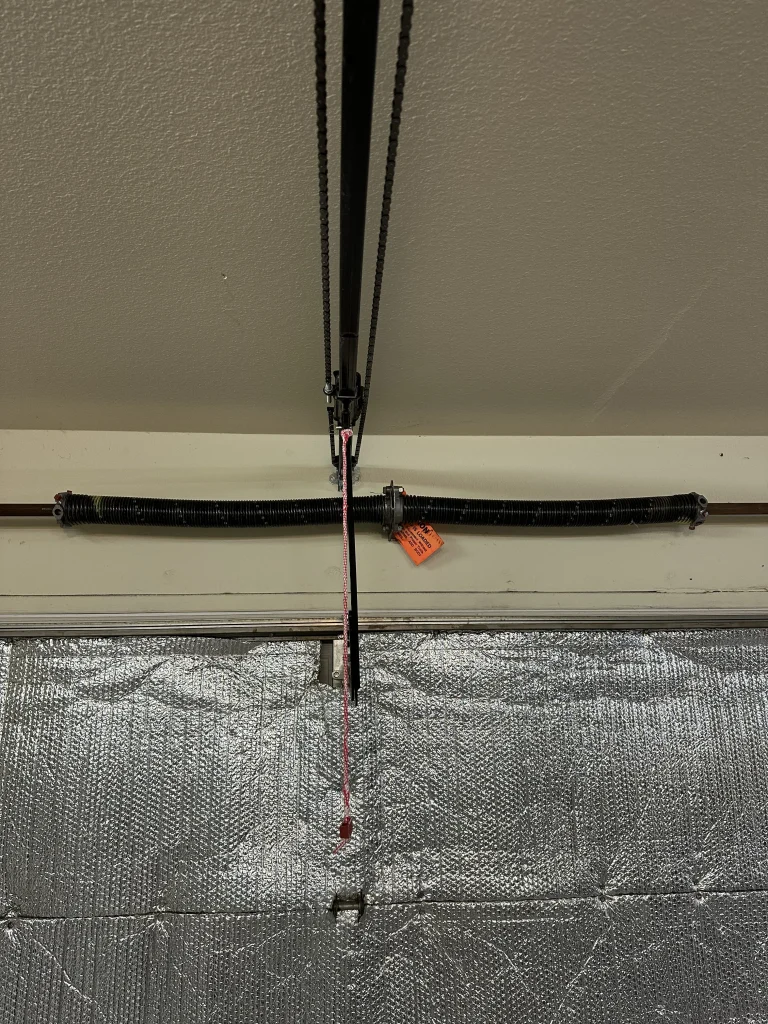
A Visible Gap Appears in the Torsion Spring
A clear visual sign of garage door spring damage is a gap in the torsion spring.
Torsion springs are typically mounted horizontally above the garage door opening. When the spring breaks, it often separates into two pieces, leaving a visible space between the coils.
Homeowners may notice:
- A two to three-inch gap in the spring
- A loose or separated section of the spring
- The spring appears uneven
This is one of the most reliable visual indicators that the garage door torsion spring has broken. Situations like this are commonly reported by homeowners in Celina, TX, and nearby Prosper, TX, where garage doors are used frequently throughout the week.
Safety Tip
Avoid touching the spring system during inspection. Even when broken, springs may still contain residual tension.
Using a flashlight from a safe distance can help identify visible spring damage.
The Garage Door Opens Crookedly or Unevenly
Garage doors rely on balanced spring tension to lift evenly on both sides.
If one spring breaks while the other remains intact, the door may become unbalanced.
Signs of uneven movement include:
- One side of the door lifts faster than the other
- The door appears tilted while opening
- Shaking or jerking movements during operation
This imbalance may also affect other components, such as:
- Garage door cables
- Door tracks
- Rollers
Situations like this are often reported by homeowners in Celina, TX, and nearby McKinney, TX, where frequent garage door use can gradually place stress on spring systems over time.
Why Balance Matters
An unbalanced door places stress on the entire garage door lifting system. Continuing to operate the door in this condition may lead to additional mechanical problems.
What to Do
Stop using the door if uneven movement is noticed. A balanced system is necessary for safe operation.
The Garage Door Closes Too Quickly
Garage door springs also control the speed of the door during closing.
When a spring breaks, the door may drop faster than normal because the tension that normally slows the door is no longer present.
Warning signs include:
- The door slams shut quickly
- The door closes faster than usual
- The door feels difficult to control when lowering manually
Safety Consideration
A garage door that closes too quickly can be dangerous because of its weight. Springs help regulate the door’s movement to prevent sudden drops.
Observing changes in door speed can help identify early signs of spring failure.
The Garage Door Opener Struggles to Lift the Door
Garage door openers are designed to guide the door’s movement, not carry its full weight.
When the spring system stops functioning, the opener motor must attempt to lift the entire door. This often leads to noticeable strain on the opener.
Common symptoms include:
- The opener is making louder-than-usual noises
- Slow or incomplete opening cycles
- The opener stops halfway through the cycle
Why This Happens
Without spring support, the opener motor experiences excessive resistance. Continued operation under these conditions may shorten the lifespan of the opener.
Disconnecting the opener and inspecting the garage door spring system can help prevent additional damage.
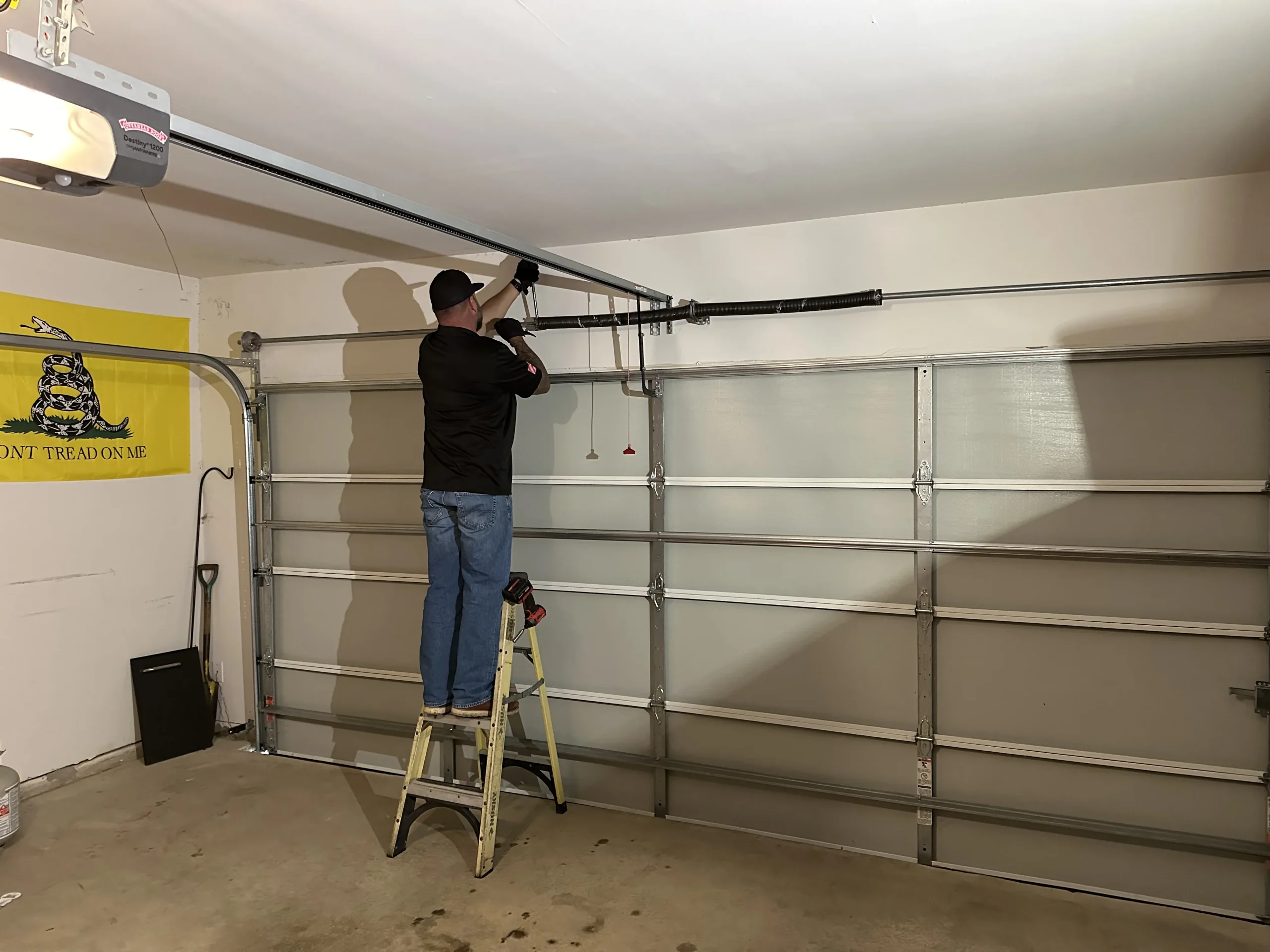
Garage Door Cables Appear Loose
Garage door springs maintain proper tension on the lifting cables that help raise and lower the door.
When a spring breaks, cable tension may change, causing the cables to appear loose or uneven.
Homeowners may notice:
- Cables hanging loosely on one side
- Slack in the cable system
- Cables slipping off the drum
Loose cables are often a sign that the garage door spring system is no longer maintaining proper tension.
What to Check
A quick visual inspection of both sides of the door can reveal whether the cables appear evenly tensioned.
What Causes Garage Door Springs to Break?
Garage door springs are built to handle repeated use, but several factors can gradually weaken them.
Normal Wear and Tear
Most springs are rated for 10,000 to 20,000 cycles, with one cycle representing a full opening and closing of the door. Frequent daily use can shorten the lifespan of the spring.
Rust and Corrosion
Moisture and dust can cause metal springs to corrode over time. Rust increases friction and weakens the spring structure.
Temperature Changes
In areas like Celina, TX, seasonal temperature changes can cause metal components to expand and contract. Over time, this stress may contribute to spring fatigue.
Lack of Maintenance
Without occasional lubrication and inspection, springs may wear out faster than expected.
Tips to Help Prevent Garage Door Spring Problems
Although springs eventually wear out, regular maintenance can help extend their lifespan and reduce unexpected problems. Preventive care can also lower the chances of sudden failures that may require emergency garage door repair.
Perform Occasional Visual Inspections
Look for signs such as:
- Rust on springs
- Loose cables
- Uneven door movement
- Unusual noises during operation
These observations can help identify early signs of garage door spring wear.
Lubricate Moving Parts
Applying garage door lubricant to springs, rollers, and hinges can help reduce friction and improve overall system performance.
Monitor Door Balance
A properly balanced door should open smoothly and stay partially open when lifted manually. If the door feels heavy or unstable, the spring tension may need professional evaluation.
Schedule Periodic Garage Door Inspections
Professional inspections can help detect early spring wear before it leads to system failure.
Homes in Celina, TX, may benefit from occasional inspections because daily use, seasonal weather changes, and dust exposure can gradually affect mechanical components.
When to Contact a Garage Door Professional
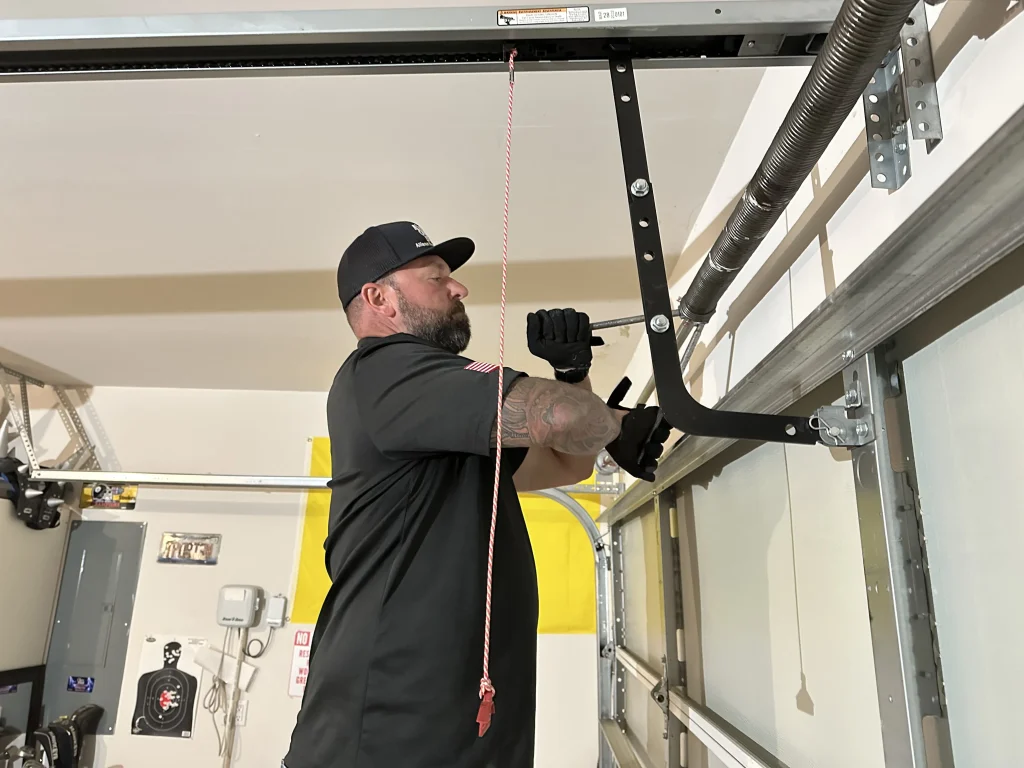
Garage door springs operate under significant tension, which makes them dangerous to handle without proper tools and training.
Professional evaluation may be helpful when:
- The garage door becomes extremely heavy
- A visible spring gap appears
- The door opens unevenly
- The opener struggles to lift the door
- Loud snapping noises are heard
A trained technician can inspect the entire garage door spring system, including the torsion springs, extension springs, cables, and opener components. If the spring is damaged or worn, the technician may recommend torsion spring replacement to restore proper balance and safe operation.
The average cost of garage door spring replacement may vary depending on the door size, spring type, and overall system condition. Addressing spring damage early can help prevent additional strain on the garage door opener and related parts.
Understanding the Importance of Garage Door Spring Awareness
Garage door springs play a crucial role in the safe and smooth operation of the entire garage door system. When a spring breaks, the door may become heavy, unbalanced, or difficult to open.
Recognizing warning signs such as loud snapping sounds, uneven movement, visible spring gaps, and excessive door weight can help homeowners identify potential spring problems early. Addressing these warning signs promptly can help prevent more serious issues that may eventually require professional garage door repair.
Routine observation and maintenance can help extend the lifespan of garage door components and reduce unexpected operational issues.
For homeowners in Celina, TX, regular garage door use and changing weather conditions can gradually affect mechanical parts. Periodic inspections and timely attention to warning signs can help keep the garage door system operating safely and reliably.
Reliable Garage Door Spring Services in Celina, TX
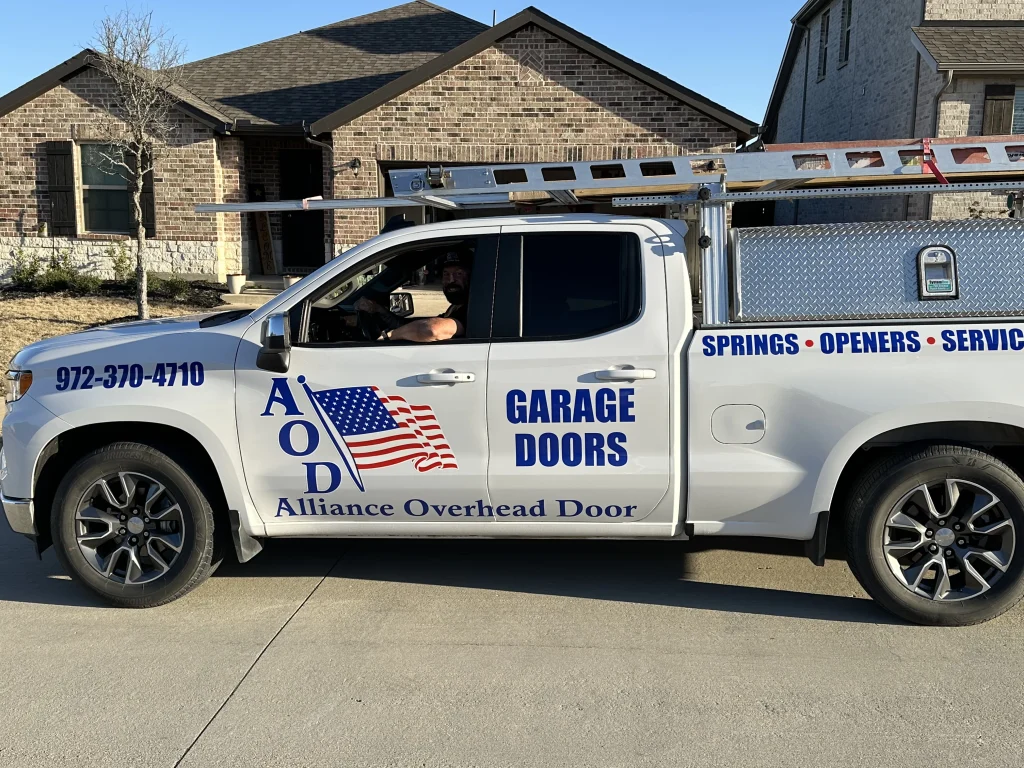
When garage door spring concerns arise, working with an experienced local provider can make the process much easier. Alliance Overhead Door is known for providing dependable garage door inspections, maintenance, and spring evaluations for homeowners in the Celina area. Their technicians understand how garage door systems function as a whole and focus on helping homeowners keep their doors operating safely and smoothly. If the garage door begins showing signs of spring damage or unusual operation, contact us today or give us a call so we can help restore safe and reliable performance.
Frequently Asked Questions
Can a garage door open if the spring is broken?
In some cases, the garage door opener may lift the door slightly, but it usually cannot open the door fully because the spring is responsible for supporting most of the door’s weight. Additional information about common door system issues can also be found on Cookson Door, which explains several problems that can affect door performance.
Is it safe to use a garage door with a broken spring?
Using a garage door with a broken spring is not recommended. The door may become unstable or extremely heavy, and continued use can damage the garage door opener and other components.
What does a broken garage door spring look like?
A broken torsion spring usually shows a visible gap between the coils, often around two to three inches wide. Extension springs may appear stretched, loose, or disconnected.
Why do garage door springs suddenly break?
Springs typically break due to normal wear and tear, rust buildup, temperature changes, or lack of regular maintenance. Over time, the metal weakens from repeated tension cycles. Additional insights about common garage door spring issues can also be explored on The Gingerbread House, which discusses several problems that may affect garage door springs over time.
Can cold weather cause garage door springs to break?
Yes. Cold temperatures can make metal more brittle, which increases the chance of a spring snapping, especially if the spring is already worn or weakened.
What happens if a garage door spring breaks while the door is closed?
When a spring breaks while the door is closed, the door will usually remain shut and become very heavy to lift. The opener may struggle or fail to open the door.
How can garage door spring problems be prevented?
Regular garage door maintenance, including lubrication of moving parts and periodic system inspections, can help reduce friction and extend the lifespan of springs.
Should both garage door springs be replaced at the same time?
Many technicians recommend replacing both springs at the same time because they typically wear out at a similar rate. This helps maintain proper balance in the garage door system.
When should a garage door professional inspect the spring system?
A professional inspection is recommended when the door feels unusually heavy, opens unevenly, produces loud snapping sounds, or stops operating normally. Early inspection can prevent further damage to the garage door system.