A garage door plays an important role in home safety beyond everyday convenience. When the system operates as intended, it helps support secure access and creates a physical barrier that contributes to household protection. Safety concerns often arise when components begin to wear or malfunction.
- The garage door helps limit unauthorized access to the home.
- Proper operation supports consistent and predictable door movement.
- Mechanical or electrical issues can reduce overall system stability.
- Worn or damaged components may increase the risk of sudden failure.
- Safety concerns can affect both people and property within the home.
- Prompt attention to developing issues helps restore safe operation.
- Maintaining system reliability supports long-term household safety.
Understanding how a garage door’s condition affects safety highlights the importance of timely garage door repair when problems appear. A stable, properly functioning garage door supports safer daily use while helping protect the home and everyone inside.
The Role of Garage Door Repair in Protecting Home Safety
A well-maintained garage door supports home safety by providing a dependable barrier and stable operation. As components wear over time, weaknesses can develop that increase the risk of accidents or unauthorized access. Addressing these issues restores the strength and reliability of the garage door system. Careful attention to the door’s condition helps reduce safety concerns, supports consistent performance, and plays an important role in protecting both the home and the people inside.
For a deeper look at related risks and concerns, explore the blog “What Safety Hazards Are Linked to Garage Door Repair?”
How Proper Door Function Helps Deter Unauthorized Access
A garage door that opens and closes properly plays an important role in protecting the home. When the door seals securely and responds as expected, it helps reduce exposure at one of the home’s most common entry points.
- A properly closed door helps limit unauthorized entry.
- Malfunctions that affect closure can weaken home security.
- Electrical or control issues may disrupt reliable door response.
- Restored functionality supports dependable access control.
- Consistent operation helps maintain household peace of mind.
Maintaining reliable garage door function strengthens overall home safety and helps ensure the door remains secure when it matters most.
Why Stable Garage Door Movement Reduces Injury Risk
Garage doors rely on balance and controlled motion to operate safely. Smooth movement helps prevent sudden shifts that could place people or property at risk during daily use.
- Even door movement lowers the chance of unexpected motion.
- Irregular operation often signals developing mechanical issues.
- Excessive system strain can increase safety concerns.
- Controlled motion helps reduce accidental contact or entrapment.
- Balanced operation supports safer use of the garage space.
Stable garage door movement contributes to a safer environment by reducing hazards associated with unpredictable or uneven door behavior.
The Safety Importance of Consistent Garage Door Operation
Consistent operation allows garage door safety systems to function correctly. When the door responds the same way each time, built-in protective features can work as intended.
- Reliable movement supports accurate sensor performance.
- Proper alignment helps prevent obstruction detection failures.
- Electrical consistency ensures a predictable door response.
- Irregular behavior can interfere with safety mechanisms.
- Steady operation helps protect people, pets, and property.
Maintaining consistent garage door performance, including the reliable operation of garage door openers, supports dependable safety features and helps reduce the likelihood of preventable accidents.
Mechanical Issues That Can Affect Garage Door Safety
Garage door components experience constant use, which causes gradual wear over time. Issues such as weakened springs, misaligned tracks, or damaged panels can affect both safety and proper operation. Small mechanical problems can quickly escalate if left unaddressed, increasing the risk of failure and potential harm. Recognizing early signs of wear and addressing mechanical concerns helps maintain stable performance and supports a safer home environment.
To learn how movement-related issues reveal deeper concerns, read the blog “How Can Faulty Movement Signal Garage Door Repair?”
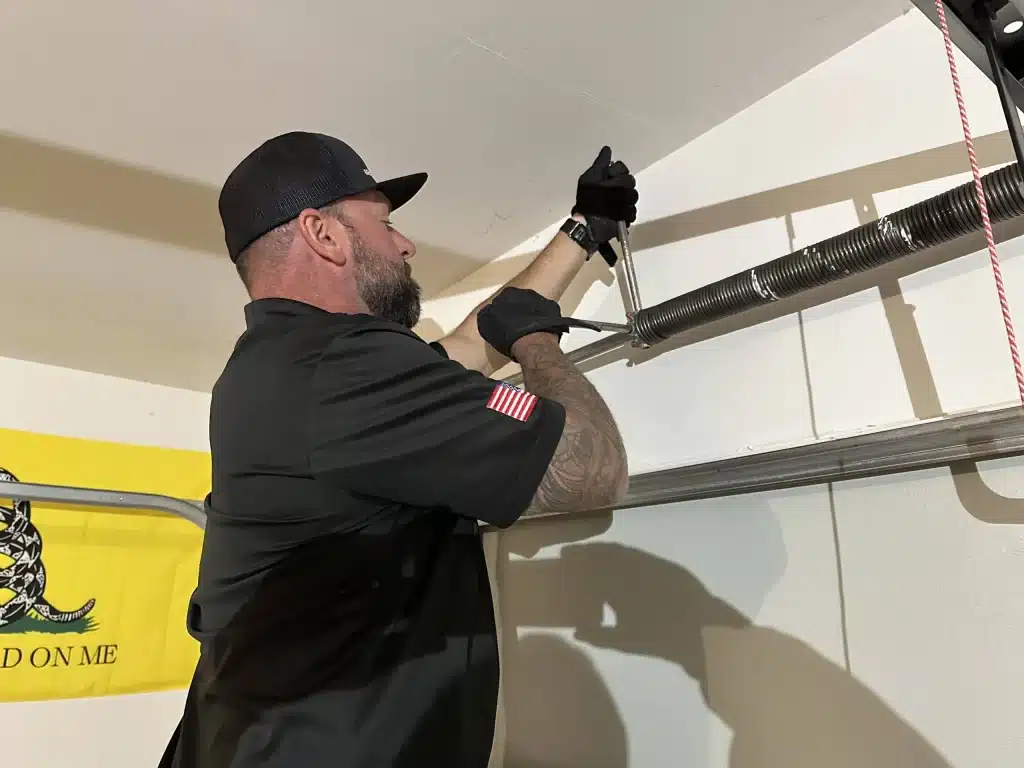
Spring Tension Problems and Their Impact on Door Control
Garage door springs play a key role in balancing the weight of the door and supporting controlled movement. When spring tension is compromised, the door can become difficult to manage and unsafe to operate.
- Improper spring tension can make the door feel unusually heavy.
- Loss of balance may cause the door to drop or move unexpectedly.
- Broken or weakened springs remove critical weight support.
- Unbalanced doors place strain on other system components.
- Reduced control increases the risk of injury or property damage.
Addressing spring-related issues helps restore balance, improve door control, and support safer daily operation of the garage door system.
Track Alignment Issues That Disrupt Safe Door Movement
Garage door tracks guide the door as it opens and closes, keeping movement straight and stable. When tracks are misaligned or damaged, the door can behave unpredictably and create safety concerns.
- Bent or misaligned tracks can cause uneven door movement.
- Off-track doors may become unstable or stuck.
- Sudden shifts increase the risk of the door falling.
- Roller disengagement reduces overall system control.
- Continued use can worsen damage to connected components.
Proper track alignment supports smooth movement and helps prevent sudden failures that could place people or property at risk.
Panel Damage That Weakens Overall Door Stability
Garage door panels form the main structure of the door and contribute to its strength. Damage to these panels can reduce stability and affect how the door operates within the system.
- Cracks or dents can weaken the door’s structural integrity.
- Misshapen panels may interfere with track alignment.
- Uneven surfaces increase strain on moving parts.
- Gaps can affect secure closure and door balance.
- Progressive damage can lead to broader system instability.
Maintaining panel integrity helps preserve the strength of the garage door, supports proper alignment, and contributes to safer long-term operation alongside timely torsion spring replacement.
Operational Failures That Create Safety Concerns
Beyond mechanical components, the electrical parts of a garage door system play a critical role in safety and control. The opener, sensors, and wiring coordinate door movement and activate essential safety features. When these components malfunction, the door may respond unpredictably or fail to detect obstacles, increasing safety risks. Addressing electrical issues promptly helps restore reliable operation and ensures the garage door system continues to function safely as intended.
For more insight into how timely repairs limit system strain, explore the blog “When Does Garage Door Repair Prevent Further Damage?”
Sensor Response Problems That Limit Obstacle Detection
Garage door sensors are designed to detect objects in the door’s path and prevent unsafe closing. When sensor response is disrupted, the system may fail to recognize obstacles, increasing the risk of accidental contact.
- Sensor misalignment can interfere with proper obstacle detection.
- Blocked or obscured sensors may cause inconsistent door behavior.
- Electrical issues can prevent sensors from sending accurate signals.
- Reduced detection increases risks to people, pets, and vehicles.
- Sensor failures can compromise essential safety functions.
Maintaining a reliable sensor response helps ensure the garage door reacts appropriately to obstructions and supports safer daily operation.
Irregular Opener Behavior That Affects Door Reliability
Garage door openers control when and how the door moves. When opener behavior becomes inconsistent, the door may stop responding predictably, creating safety and security concerns.
- Delayed or failed responses reduce reliable door control.
- Unexpected movement can expose the home to access risks.
- Intermittent operation may signal internal electrical problems.
- Sudden stops can place strain on connected components.
- Continued irregular behavior increases the chance of system failure.
Consistent opener performance supports dependable access and helps maintain the safety features built into the garage door system.
Unbalanced Door Systems That Increase Sudden Failure Risks
A balanced garage door relies on proper weight distribution to move smoothly and remain stable. When balance is lost, the entire system is placed under stress, increasing the likelihood of abrupt and dangerous failures.
- Unbalanced doors place excessive strain on lifting components.
- Sudden drops or rapid movement increase injury risk.
- Added stress can weaken cables, rollers, and supports.
- Poor balance reduces control during opening and closing.
- Ongoing imbalance raises the risk of unexpected system failure.
Restoring proper door balance helps prevent sudden breakdowns, supports smoother operation, and contributes to a safer overall garage door system, including situations where garage door replacements become necessary.
Recognizing Safety Risks Linked to Garage Door Conditions
Garage doors often show early signs when something is not working as it should. Unusual noises, irregular movement, or visible wear can indicate developing problems that affect safety and performance. Ignoring these warning signs can allow minor issues to worsen and increase the risk of failure. Recognizing changes in how the door looks, sounds, or operates helps address concerns early and supports safer, more reliable garage door use.
Unusual Sounds That Signal Developing Mechanical Problems
A properly functioning garage door typically operates with minimal noise. When unusual sounds appear, they often indicate internal stress or mechanical wear that can affect safe operation.
- Squeaking may suggest increased friction between moving components.
- Grinding noises can indicate worn rollers or track interference.
- Rattling sounds may point to loose or shifting hardware.
- Banging or popping noises often signal serious internal strain.
- Persistent noise can increase stress on the entire door system.
Recognizing unusual sounds early helps identify developing mechanical problems before they lead to unsafe conditions or sudden failure.
Inconsistent Door Movement That Indicates Loss of Control
Garage doors are designed to move in a smooth, predictable manner. When movement becomes uneven or erratic, it can signal a loss of system control and increase safety risks.
- Sudden stops or reversals disrupt normal door operation.
- Uneven speed may indicate internal resistance or imbalance.
- Irregular motion can place strain on supporting components.
- Loss of control increases the chance of unexpected movement.
- Continued instability raises the risk of mechanical failure.
Consistent movement is essential for safe use, and changes in door behavior often indicate issues that require prompt attention.
Visible Wear That May Compromise Safe Garage Door Use
Garage door components naturally wear over time, but certain signs of damage can reduce system safety. Visual inspection often reveals early warnings of developing problems.
- Frayed cables indicate weakened lifting support.
- Rusted components suggest reduced structural strength.
- Cracked or worn rollers affect smooth movement.
- Bent or damaged parts can disrupt door alignment.
- Accumulated wear increases the likelihood of sudden failure.
Addressing visible wear helps maintain the structural integrity of the garage door and supports safer, more reliable operation over time.
Why Timely Garage Door Care Is Essential for Home Safety
Taking care of garage door issues as soon as they appear plays an important role in home safety. A properly functioning garage door helps limit unauthorized access and reduces the risk of injury during daily use. Mechanical concerns, alignment problems, or sensor issues can weaken safety if left unaddressed. Paying attention to signs of wear and maintaining reliable operation supports a safer environment for household members and pets while helping the garage door perform its protective role effectively.
For homeowners seeking dependable support, Alliance Overhead Door is a trusted local provider known for reliable workmanship and a strong focus on safety and performance. Our experienced team understands how important a properly functioning garage door is to everyday security and works carefully to restore stable, safe operation. If you notice issues with your garage door or want added peace of mind, contact us today or give us a call to schedule a professional inspection or service appointment.
Frequently Asked Questions
What types of garage door problems commonly create safety risks in a home?
Broken springs, misaligned tracks, and malfunctioning sensors can cause the door to fall, move unpredictably, or fail to detect obstacles, increasing the risk of injury or damage.
How does addressing garage door malfunctions contribute to overall home security?
Correcting issues that affect closing, locking, or door response helps prevent unauthorized access and keeps the garage functioning as a secure entry point.
How can aging garage door systems influence long-term household safety?
As systems age, worn components and outdated safety features can lead to unexpected failures, reduced control, and increased accident risk if not properly maintained.
How do garage door safety issues affect daily household access and movement?
Irregular operation can block vehicle access, delay entry or exit, and create unpredictable movement that interferes with daily routines and safe use, as outlined in common safety concerns discussed on Daddy’s Hangout.
Why is consistent garage door alignment important for preventing safety hazards?
Proper alignment allows smooth movement, reduces strain on components, and ensures safety sensors function correctly to prevent accidents.
How can delayed garage door attention increase the risk of sudden door failure?
Ignoring early warning signs allows wear to worsen, increasing the chance of abrupt breakdowns or uncontrolled door movement.
What role does garage door balance play in maintaining a safe home environment?
Balanced doors move steadily and place less strain on the system, reducing the likelihood of slamming, instability, or sudden failure.
How do garage door system failures impact child and pet safety?
When safety features fail, the door may not detect obstacles, increasing the risk of injury to children or pets in the door’s path.
Why can garage door malfunctions compromise secure entry points in a home?
Doors that do not close fully or remain secure create vulnerabilities that make the garage an easy access point for intrusions, a concern also highlighted by Angi in its discussion of common garage door problems and their impact on home access and safety.
How does long-term garage door wear influence overall property safety?
Gradual wear weakens key components, raising the risk of collapse, derailment, or loss of control that can endanger people and property.