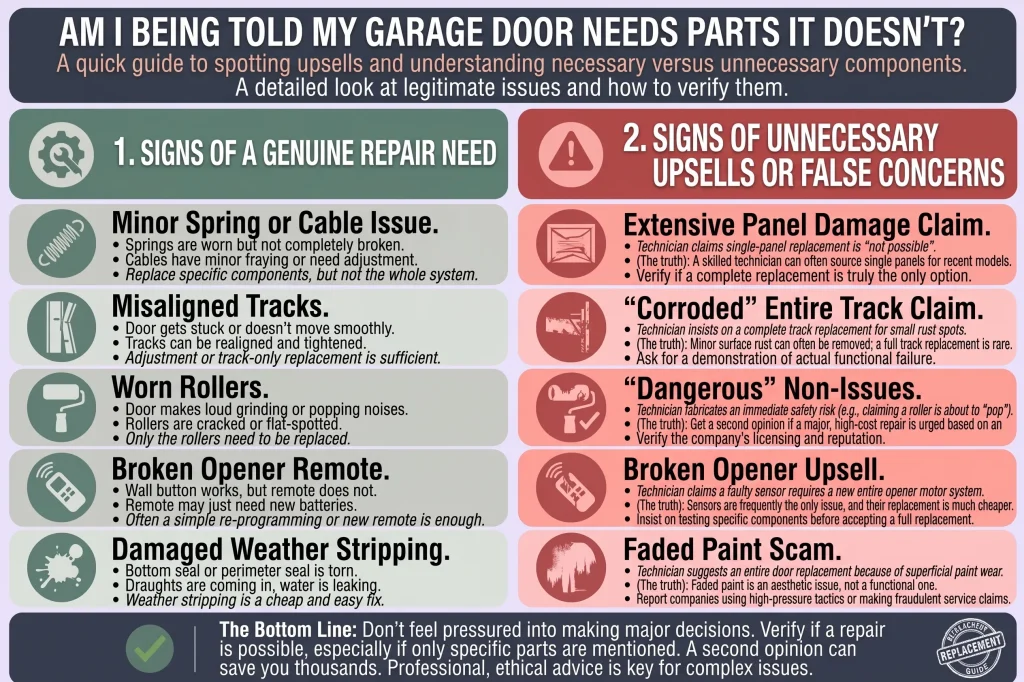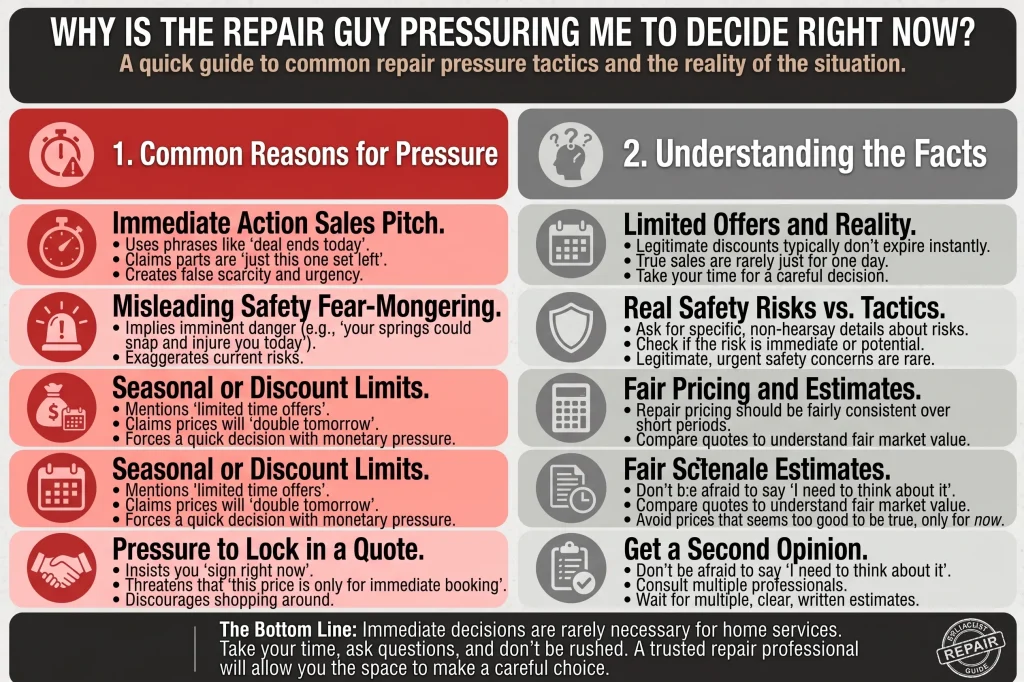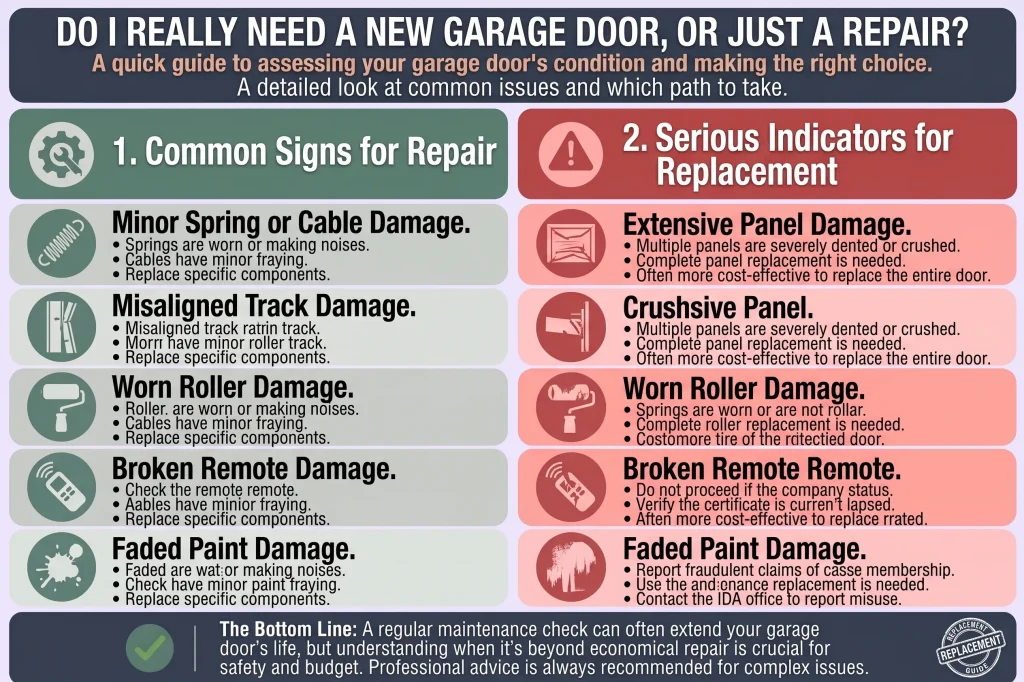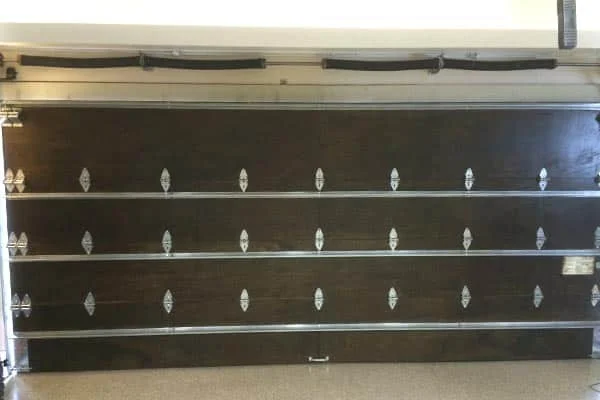
Panel damage rarely results from a single dramatic event. Many homeowners notice gradual dents, surface wear, or alignment changes that build up over seasons of daily use, especially as garage door installations age and settle into regular operation. These slow changes often develop quietly until door movement or sealing becomes inconsistent.
Scheduling garage door panel repair when early damage appears helps protect door alignment, sealing, and safe movement. Repeated impact, moisture exposure, hardware wear, and lifting strain can weaken panels and increase the risk of larger-scale failure. Understanding common causes helps homeowners plan service early and avoid disruption.
Everyday Impacts That Slowly Weaken Panel Structure
Garage door panels are in daily contact with vehicles, tools, sports gear, and routine garage activity. Even light contact can leave dents that change panel stiffness, and repeated contact can loosen reinforcement points near hinges and struts. Over time, a panel that flexes slightly can shift how rollers and hinges sit, increasing friction and creating new noise during travel.
Common impact sources include:
- Minor vehicle bumps during parking or backing out
- Bikes, lawn equipment, or storage bins leaning against the door
- Sports impacts from balls or other equipment
- Sudden door contact during windy conditions
- Interior items are shifting and hitting the door during storage changes
Impacts also matter because damage can spread. A small dent can become a crease, and a crease near a seam can affect how sections join during movement. Professional evaluation helps confirm whether a panel remains stable or whether reinforcement and alignment are affected.
For a full explanation of how sections work and when replacement makes sense, visit our blog, “How Do Garage Door Panels Work and When to Replace?”
Weather, Moisture, and Surface Wear That Accelerate Deterioration
Weather exposure changes panel durability, especially along the bottom edges and seams. Moisture can lead to rust on steel panels or swelling and cracking on wood doors. Sun exposure can also break down paint and protective finishes, increasing vulnerability to corrosion and surface fatigue. Seasonal changes often cause expansion and contraction, which can stress fasteners and seams.
Common environmental contributors include:
- Standing water near the threshold that exposes the bottom section
- Humidity that increases rust risk on scratched metal
- Sun exposure that weakens coatings and fades finishes
- Debris buildup along seals that traps moisture
- Temperature swings that stress seams and fastener points
Homeowners comparing repair versus replacement often ask about replacing garage door panels when rust or swelling affects structural integrity. Decisions may also include questions about garage door panel replacement costs, but recommendations depend on the door material, the location of damage, and whether matching sections are available.
For early warning signs that appear before damage becomes severe, check our article, “How Can You Spot Early Signs of Garage Door Panel Problems?“
Hardware Wear That Creates Panel Stress and Alignment Drift
Panel damage is often tied to worn hardware. Hinges, rollers, brackets, and tracks guide the sections through a controlled path. When hardware loosens or wears, panels may begin to rub, twist, or ride out of square. That movement can create stress points near hinges and seams, leading to cracking or fastener pull-through.
Hardware-related damage drivers include:
- Loose hinges that shift section spacing
- Worn rollers that wobble and increase friction
- Track misalignment that forces panels to bind during travel
- Reinforcement struts that loosen and reduce stiffness
- Fasteners that back out from vibration over time
A professional can check whether garage door opener settings are contributing to strain, since force and travel settings can cause reversal or pushing when panels bind. In some cases, panel stress occurs alongside balance issues, and torsion spring replacement may be recommended when lift support is compromised.
To understand whether full section replacement is always required, visit our blog, “Is Full Garage Door Panel Replacement Always Necessary?“
How Pros Identify the Root Cause of Panel Damage
A panel may appear damaged, while the underlying issue is alignment, balance, or hardware wear. Professional evaluation focuses on determining whether the panel is the primary issue or a symptom of a broader system problem.
Travel and alignment inspection
Technicians observe door travel to find rubbing points, out-of-square movement, and changes in how sections meet. Track spacing and roller seating are checked along the full path.
Panel integrity and reinforcement review
Creases, cracks, seam separation, and fastener hold strength are evaluated. Reinforcement struts and hinge attachment points are checked for movement and deformation.
Balance and lift system assessment
Springs, cables, and drums influence how evenly the door rises. A door that feels heavy or drifts can place extra stress on panels during movement. HomeServe offers guidance on common causes and effects of garage door spring failure.
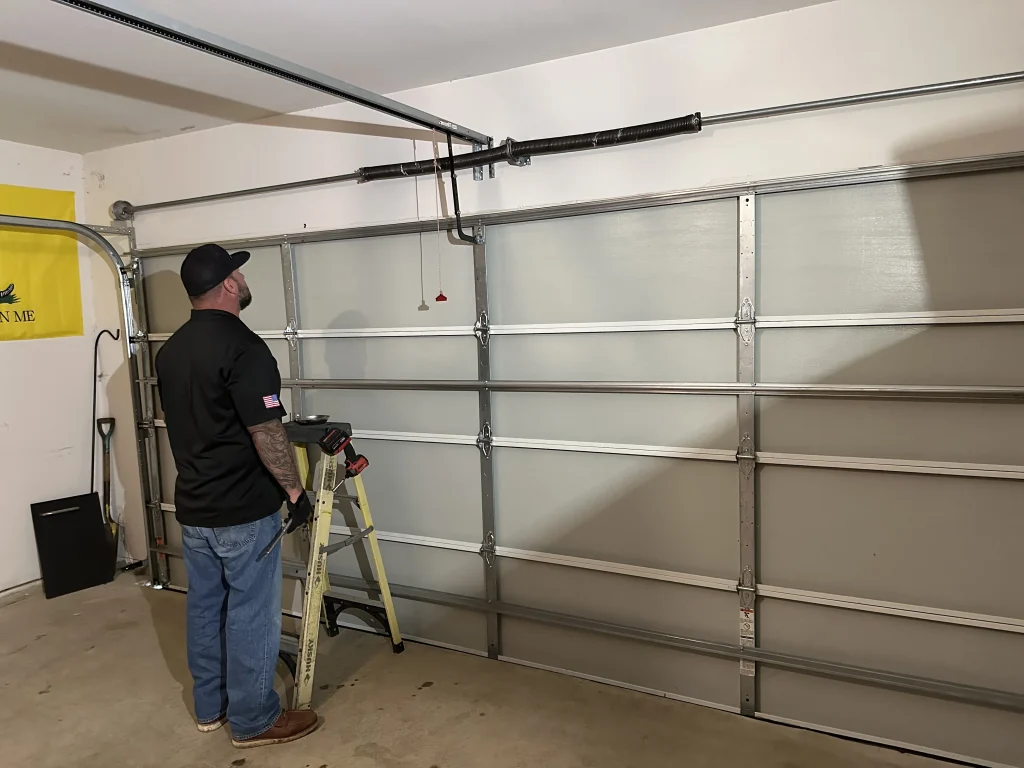
Opener interaction and safety behavior
Openers are checked for strain, reversal, and safety response. A door that binds can cause the opener to resist and increase panel stress.
A professional approach helps homeowners avoid guesswork and supports a safe, stable repair plan.
When Replacement Planning Makes More Sense Than Repeated Repairs
Some doors develop repeated damage because matching panels are hard to source, multiple sections are weakened, or the door has broad wear across seams and reinforcement. In those situations, planning for garage door replacements may provide a more reliable long-term outcome.
Matching and availability challenges
Older doors may have limited matching options for profile and finish. Homeowners evaluating residential garage door replacement panels may learn that broader replacement improves appearance and long-term serviceability.
Safety and reliability goals
A door with multiple weakened panels can drift out of alignment more easily. Professionals consider how likely recurring damage is after repair.
Emergency situations and access issues
Panel damage can become urgent when the door cannot close, the opening is unsecured, or sections bind during travel. Service teams may provide emergency garage door repairs to restore safe closure and access.
For many homes, stable operation and security are key priorities, especially when residential garage doors are used multiple times per day.
Common Damage Causes and What They Often Lead To
Recommendations depend on the door material, the location of the damage, and the condition of the surrounding hardware.
| Damage Cause | What Homeowners Often Notice | Why It Matters | Typical Professional Recommendation |
| Repeated light impacts | Dents, creases, visible marks | Panel stiffness can change over time | Confirm alignment and repair viability |
| Moisture exposure | Rust, swelling, peeling finish | Structural strength may decline | Assess section integrity and replacement options |
| Hardware wear | Rubbing, loud travel, uneven movement | Stress concentrates near hinges and seams | Inspect rollers, hinges, and track alignment |
| Balance problems | Heavy feel, drifting, uneven lift | Extra load increases panel strain | Inspect lift support and correct balance |
| Opener strain | Reversals, stalling, pushing during travel | Binding can worsen damage | Evaluate travel path and opener interaction |
Connecting the cause and the symptom helps homeowners plan service earlier. A professional evaluation confirms whether repair is enough or whether replacement improves safety and reliability.
Protect Door Appearance and Reliability With Timely Professional Care
Panel damage often begins with minor dents, surface wear, or alignment drift, and then worsens as the door cycles under load. Understanding the common causes helps homeowners respond early and avoid repeated strain on hinges, rollers, and lift components. Professional evaluation provides clarity because the best service path depends on material type, damage location, and whether the surrounding hardware is still supporting smooth travel.
Alliance Overhead Door provides professional garage door service that helps support consistent operation and maintain the door’s appearance over time. Our technicians assess panel condition, alignment, and hardware performance to help reduce recurring strain during daily cycling.
Contact us today or call now to schedule an expert inspection and help keep the garage door operating with dependable, even travel.
Frequently Asked Questions
How do you fix a dented garage door panel?
Minor dents may sometimes be repaired depending on the panel material and the depth of the damage. Larger dents, creases, or structural damage usually require panel replacement to restore strength and appearance.
What’s the average lifespan of a garage door?
The average garage door lasts between 20 and 30 years with proper maintenance. Usage frequency, weather conditions, and material choice all affect longevity.
How often should you replace a garage door?
Garage doors are usually replaced when structural damage develops, insulation performance declines, or repairs become frequent. Replacement timing depends more on overall condition than on a fixed schedule.
Can individual garage door panels be replaced instead of the entire door?
Yes, individual panels can often be replaced if the rest of the door system is in good condition. Panel replacement is most effective when damage is isolated and matching panels are available.
Are garage door panels universal across brands?
No, garage door panels are not universal. Panel size, design, thickness, and attachment points vary by manufacturer and model, so exact matching is required.
Can rusted garage door panels be repaired?
Surface rust may be treated if caught early, but advanced rust often weakens the panel structure. Severely rusted panels typically need replacement to maintain door integrity and safety.
Do damaged panels affect garage door operation?
Yes, damaged panels can affect door balance, alignment, and smooth movement. Ignoring panel damage may place additional strain on hinges, tracks, and the opener.
Can garage door panels be upgraded with windows?
Yes, solid panels can often be replaced with windowed panels if the door design allows it. Compatibility depends on door construction and balance requirements.
When is panel replacement not recommended?
Panel replacement may not be recommended if multiple panels are damaged, the door frame is compromised, or the model is no longer supported. In these cases, full door replacement may be more practical.