That loud bang echoing from the garage is not something any homeowner wants to hear. But in Celina, TX, it happens more often than most people expect. That sound usually means a garage door spring just snapped and the door is no longer safe to operate.
Garage door springs handle an enormous amount of work every single day. They counterbalance the full weight of the door, which can range anywhere from 130 to over 400 pounds depending on the size and material. Without functioning springs, the door becomes dangerously heavy and nearly impossible to lift manually. In many cases, a torsion spring replacement is needed before the door can be safely used again.
Understanding what causes garage door springs to break is the first step toward preventing unexpected failures. This guide breaks down the seven most common reasons springs fail, what warning signs to look for and when it is time to call a licensed garage door technician in the Celina area.
Normal Wear and Tear From Daily Use
Every garage door spring has a limited number of cycles built into its lifespan. One cycle equals one full open-and-close of the garage door. Most standard torsion springs are rated for approximately 10,000 cycles. That sounds like a lot, but the math tells a different story.
A typical Celina household opens and closes the garage door around four to six times per day. At that rate, the springs are completing roughly 1,460 to 2,190 cycles per year. That puts the expected lifespan of a standard spring somewhere between five and seven years under normal conditions.
Many families in Celina use the garage as the primary entry point to the home. Between school drop-offs, work commutes, deliveries and weekend errands, that daily cycle count climbs fast. The more the door moves, the faster the springs wear down.
How to Extend Spring Life
When it is time for a replacement, consider upgrading to high-cycle springs. These are rated for 25,000 to 50,000 cycles and can last well over a decade with proper maintenance. The average cost is slightly higher upfront compared to standard springs, but the long-term savings make it a smart investment for any Celina homeowner planning to stay in their home for years to come.
For a deeper look at spring lifespan and replacement timing, check out the guide on “How Often Do Garage Door Springs Break?”
Rust and Corrosion on the Spring Coils
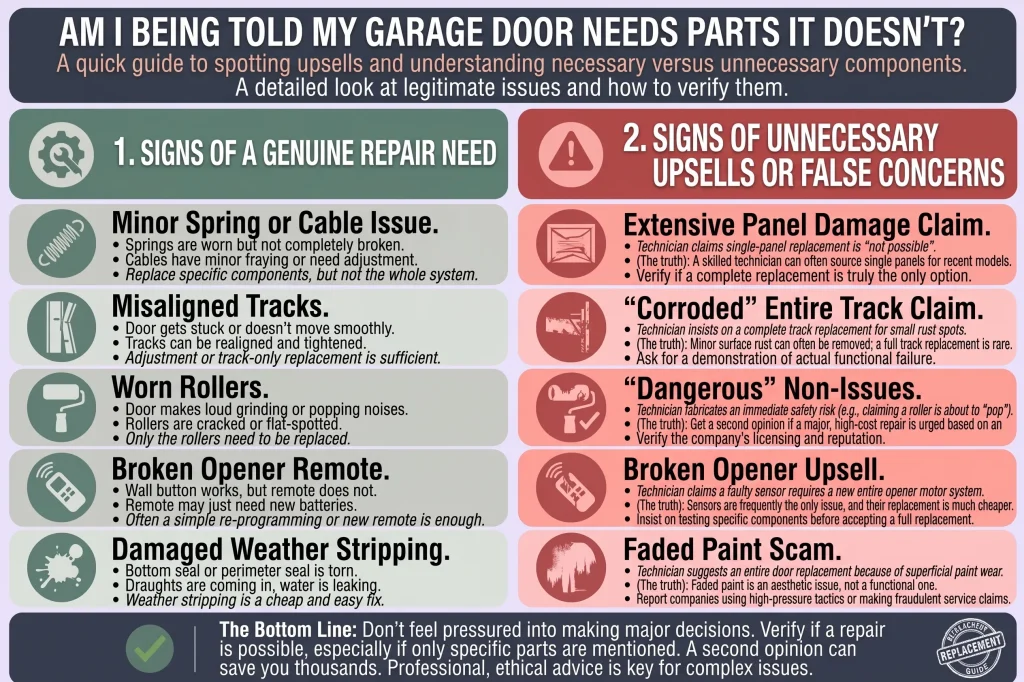
Rust is one of the most overlooked causes of garage door spring failure. When moisture collects on the metal coils, corrosion slowly eats away at the steel. Rust also increases friction between the coils as the spring winds and unwinds, which accelerates the wear process and weakens the metal from the inside out.
Celina, TX may not have the same coastal humidity found in cities like Houston or Corpus Christi, but that does not mean local garages are safe from moisture. North Texas experiences its fair share of spring storms, morning dew and dramatic temperature swings. Hot summers followed by cooler fall nights create condensation inside garages, especially those without proper ventilation or insulation.
Over time, even small amounts of rust compromise the structural integrity of the spring. A corroded spring is a weak spring and a weak spring is one that is much more likely to snap without warning.
How to Prevent Rust Buildup
Applying a silicone-based lubricant to the garage door springs every three to four months is one of the simplest and most effective maintenance steps a homeowner can take. The lubricant reduces friction, displaces moisture and creates a protective barrier against corrosion. The entire process takes less than five minutes.
One important note: avoid using WD-40 as a long-term solution. While it works well as a solvent and cleaner, it is not a true lubricant and will not provide lasting protection against rust.
Already dealing with a snapped spring and wondering what to do next? Read “Can You Open a Garage Door With Broken Springs?” to learn what is safe and what to avoid.
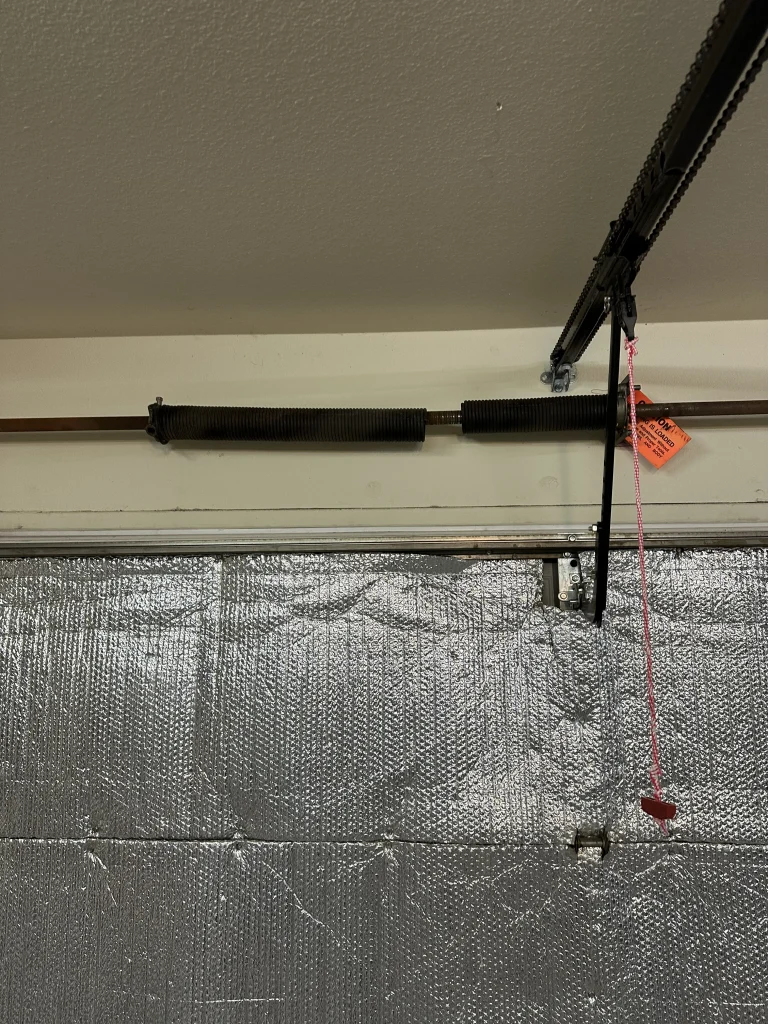
Lack of Regular Garage Door Maintenance
Most homeowners in Celina do not think about their garage door until something goes wrong. That is completely normal. But just like an HVAC system or a vehicle, a garage door has moving parts that need regular attention to perform at their best.
When springs go without maintenance for years, small problems start to stack up. A slightly unbalanced door puts extra strain on one spring. Lack of lubrication causes the coils to grind against each other. Loose bolts and brackets introduce vibration that stresses the entire system. All of these factors work together to shorten the lifespan of the springs well below their rated cycle count.
What to Check During a Basic Inspection
- Listen for squeaking, grinding, or popping noises when the door opens and closes
- Look at the springs for visible gaps in the coils, signs of stretching, or rust spots
- Watch the door as it moves to see if it jerks, hesitates, or travels unevenly
- Check the cables near the bottom brackets for fraying or slack
- Test the door balance (more on this in section seven)
Maintenance Tip for Celina Homeowners
Scheduling a professional garage door tune-up at least once a year is one of the best ways to catch small issues before they turn into expensive repairs. A trained technician will inspect the springs, adjust the tension, lubricate all moving parts and check the overall balance of the door. The average cost for a professional maintenance visit is a modest investment that can prevent a sudden spring failure down the road.
Curious about when your springs might be due for replacement? Read “How Long Do Garage Door Springs Actually Last?” for a detailed breakdown of what to expect.
Extreme Temperature Swings in North Texas
Temperature plays a much bigger role in garage door spring failure than most people realize. Metal expands in heat and contracts in cold. These constant shifts in the coil structure create micro-stress points that weaken the steel over time. Eventually, those stress points lead to cracks and the spring snaps.
This is especially relevant in Celina, TX, where the weather can be wildly unpredictable. North Texas is known for dramatic temperature swings, sometimes seeing 80-degree afternoons followed by freezing conditions the very next morning. These rapid changes are particularly hard on garage door springs.
Garage door technicians across the DFW metroplex, including those serving Celina, Prosper and Frisco, consistently report a spike in broken spring service calls immediately after cold fronts move through the area. Winter mornings are when springs are most vulnerable because the cold makes the metal brittle and less flexible.
How to Minimize Temperature Damage
Keeping the garage insulated helps regulate the interior temperature and reduces the severity of those hot-to-cold swings. Even a basic garage door insulation kit can make a noticeable difference. For attached garages, checking the weatherstripping around the door between the garage and the house also helps keep cold drafts from lowering the overall temperature inside the space.
Incorrect Spring Size or Improper Installation
Garage door springs are not one-size-fits-all. They come in different wire gauges, lengths and inside diameters. The correct spring depends entirely on the weight, height and width of the specific garage door it supports. When the wrong spring is installed, it has to work harder than it was designed to and that extra strain leads to premature failure.
This issue shows up more often than expected in fast-growing communities like Celina. With new neighborhoods and subdivisions going up across the area, there are cases where the springs installed during construction do not perfectly match the door specifications. It also happens when homeowners attempt a DIY replacement and select the wrong spring from a hardware store without knowing the exact measurements needed.
Warning Signs of Incorrectly Sized Springs
- The door feels noticeably heavy when lifted manually
- The garage door opener strains, vibrates, or sounds louder than normal
- The door does not open all the way or slams shut too quickly
- Springs seem to break more often than every five to seven years
Why Professional Installation Matters
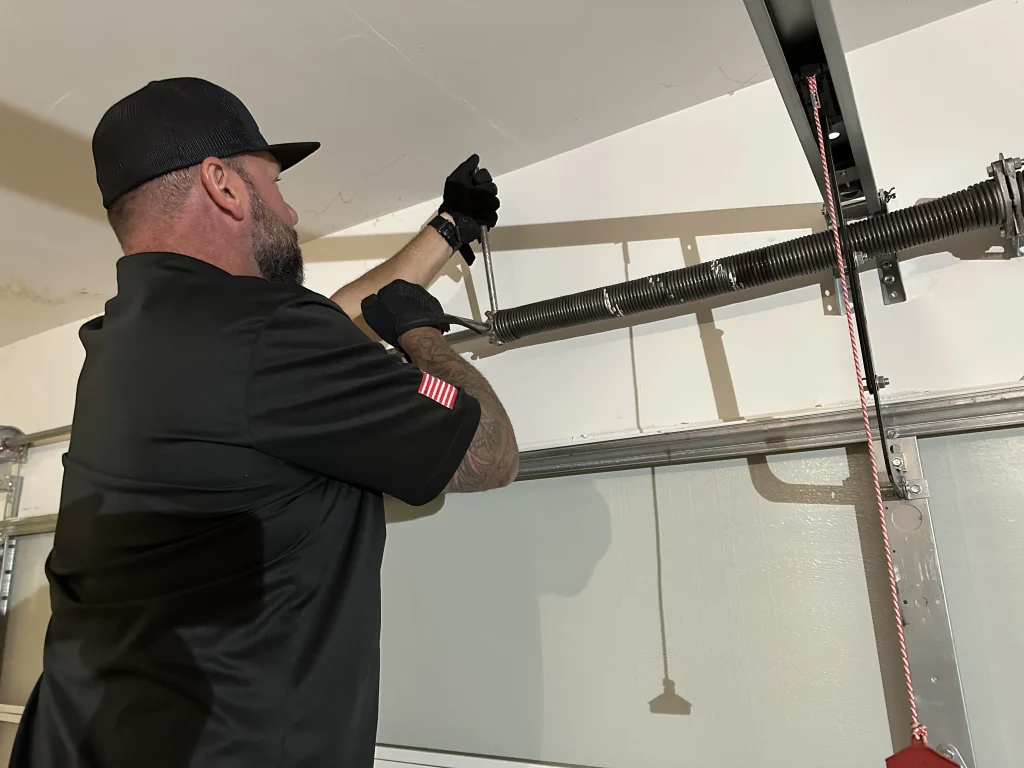
Garage door spring replacement is not a safe DIY project. The springs are under extreme tension and a miscalculation during installation can result in serious injury or damage to the door and opener system. A qualified technician will measure the door, calculate the correct spring specifications and install them with the proper tools and safety equipment. For homeowners in Celina, McKinney, TX and nearby communities, the average cost for professional spring replacement is well worth the peace of mind and safety it provides.
Low-Quality or Economy-Grade Springs
The quality of the spring itself has a direct impact on how long it will last. Lower-grade springs are manufactured with inferior steel that does not hold up as well under repeated stress and tension cycles. These springs may look identical to higher-quality options, but they wear out significantly faster.
In Celina’s competitive new-construction market, some builders install economy-grade springs to keep overall costs down. There is nothing unusual about this practice, but it does mean that many homeowners find their original springs wearing out after just three to five years instead of the expected seven to ten.
The difference between a budget spring and a premium spring often comes down to the type of steel and the manufacturing process. Oil-tempered springs, for example, tend to be more durable and resistant to fatigue than standard galvanized springs.
What to Ask When Replacing Springs
When it is time for a spring replacement, ask the technician about the grade of steel being used and the rated cycle life of the spring. Choosing a higher-quality spring from a reputable manufacturer may cost a bit more upfront, but it can add years to the lifespan of the spring. For homeowners in Celina, Prosper, TX and the surrounding areas planning to stay long-term, upgrading to oil-tempered or high-cycle springs is a practical decision that reduces the frequency of future repairs.
Poor Door Balance and Uneven Weight Distribution
A properly balanced garage door is essential for the springs to function correctly. When a door is out of balance, meaning one side hangs lower or feels heavier than the other, the springs are forced to compensate unevenly. One spring ends up carrying more of the load, wearing out faster and eventually breaking under the added stress.
Several things can throw a garage door out of balance. A broken or stretched cable, a bent track, worn-out rollers, or even debris caught in the track can all cause the door to sit unevenly. In Celina, where dust, dirt and seasonal debris are common, it is especially important to keep the tracks and hardware clean and in good working order.
How to Test Garage Door Balance
Testing the balance of a garage door is simple and takes less than a minute. Start by disconnecting the automatic opener using the emergency release handle (usually a red cord hanging from the rail). Then, manually lift the door to about the halfway point and let go.
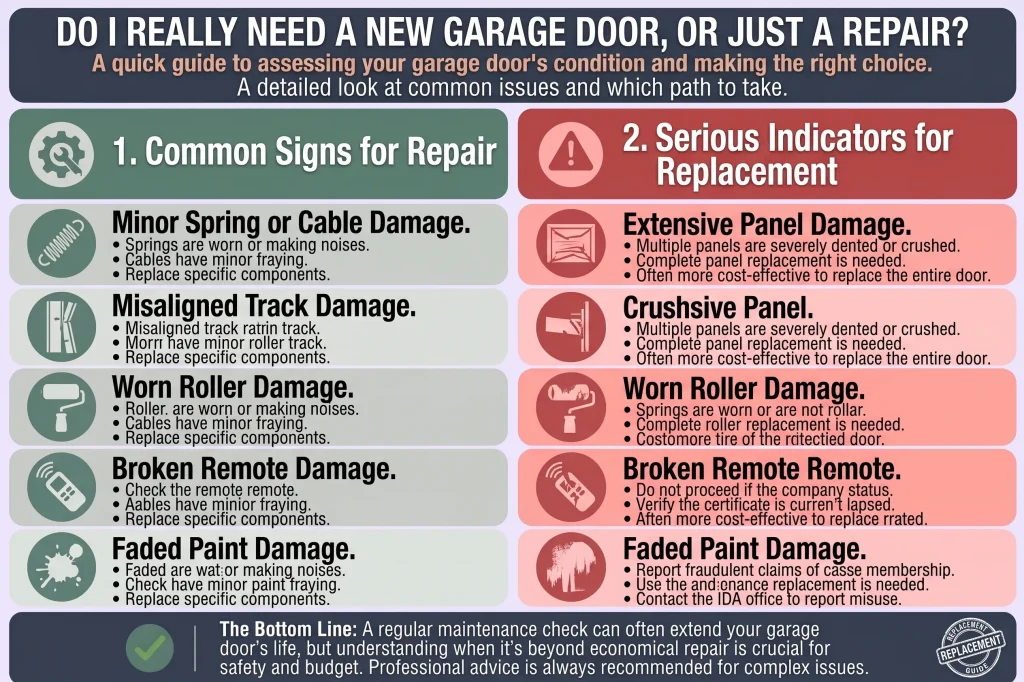
A properly balanced door should stay in place on its own at the halfway mark. If it slides down toward the floor, the springs may be losing tension. If it shoots upward, the springs may be wound too tightly. Either situation means the door is out of balance and the springs are under uneven stress. In some cases, repeated balance issues may be a sign that the door itself is aging and a full garage door replacement should be considered.
Important: Do not attempt to adjust spring tension without professional training and tools. Adjusting torsion springs requires specialized equipment and carries a serious risk of injury if done incorrectly. If the balance test reveals a problem, contact a licensed garage door technician in Celina to diagnose and correct the issue.
When to Call a Garage Door Professional in Celina, TX
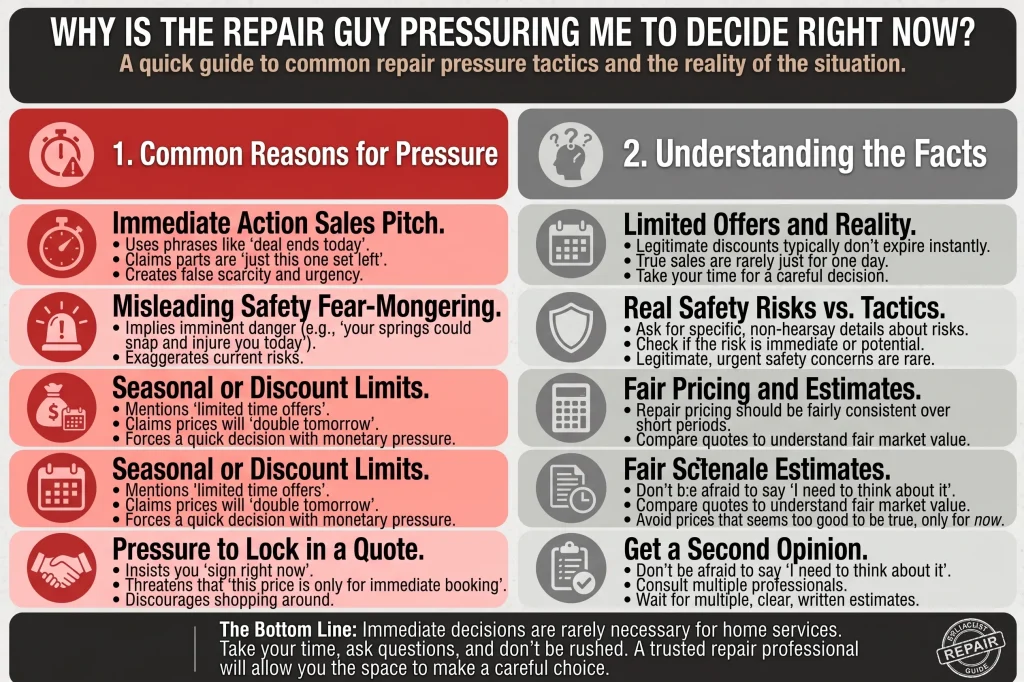
Garage door spring repair is one of those jobs that should always be handled by a trained and licensed professional. The springs operate under hundreds of pounds of tension and attempting a repair without the proper tools and experience can lead to serious injury or further damage to the door system.
Here are some clear signs that it is time to call a professional:
- The garage door will not open or feels extremely heavy when lifted manually
- There is a visible gap or separation in one of the spring coils
- A loud bang was heard coming from the garage (a telltale sign of a broken spring)
- The door opens crookedly or appears to sit unevenly in the tracks
- The cables near the bottom of the door are loose, frayed, or hanging down
- The opener is straining, shaking, or making unusual noises during operation
For homeowners in Celina and surrounding communities like Prosper, Frisco, McKinney and Anna, choosing a licensed and insured garage door company with strong local reviews is essential. Whether the need is a spring replacement, a full garage door installation, or routine maintenance, working with a trusted local team makes all the difference. The average cost for garage door spring replacement in the Celina area varies depending on the type of spring system (torsion vs. extension), the number of springs being replaced and the complexity of the job. But no matter the cost, professional service ensures the job is done safely and correctly the first time.
Preventing Garage Door Spring Failure
Broken garage door springs are one of the most common and most disruptive issues homeowners in Celina, TX face. But the good news is that most spring failures are preventable with the right knowledge and a little bit of routine care.
From daily wear and tear to rust, temperature swings and low-quality parts, the causes of spring failure are well understood. Staying on top of regular maintenance, investing in quality replacement springs and relying on professional technicians for garage door repair are the best ways to keep a garage door running safely and smoothly for years.
Whether the home is in one of Celina’s newer subdivisions near the growing downtown area or in an established neighborhood closer to the Collin County line, taking care of garage door springs is a small but important part of responsible homeownership.
If this guide was helpful, consider sharing it with a neighbor or friend in Celina who might be dealing with the same issue. And if the springs are showing signs of wear, do not wait for them to snap. Schedule a professional inspection today to stay ahead of the problem.
Trusted Garage Door Spring Repair in Celina, TX
For homeowners in Celina and the surrounding North Texas area looking for a trusted garage door company, Alliance Overhead Door is a reliable choice. With a team of experienced technicians, a commitment to quality parts and a reputation built on honest service, we have been helping local homeowners keep their garage doors running safely and efficiently. Whether it is a spring replacement, a full tune-up, or an emergency repair, our team is ready to help. Contact us today or give us a call to schedule an inspection and keep your garage door in top shape.
Frequently Asked Questions
Can a garage door work with just one spring?
It can, but it should not. Running on one spring overworks the opener, wears out the remaining spring faster and creates a serious safety hazard. To learn more about spring replacement and why it should not be delayed, visit Bob Vila.
How often should garage door springs be replaced in Celina, TX?
Every 7 to 10 years for most homes. Households that use the garage as the main entry may need replacement closer to 5 to 7 years.
Do garage door springs break more often in winter?
Yes. Cold metal is more brittle and prone to snapping. Most spring failures in North Texas happen during sudden cold fronts and freezing mornings.
What is the difference between a torsion spring and an extension spring?
Torsion springs mount above the door and twist to lift it. Extension springs run along the side tracks and stretch. Torsion springs are safer, stronger and last longer.
Should both garage door springs be replaced at the same time?
Yes. If one breaks, the other is the same age and close behind. Replacing both saves a second service call and keeps the door balanced.
Is it dangerous to open a garage door with a broken spring?
Very. The full weight of the door is unsupported, which can cause injuries or burn out the opener motor. Do not attempt to operate it.
How long does it take a professional to replace garage door springs?
Most experienced technicians complete the job in 45 minutes to an hour, including tension adjustment and balance testing.
What type of lubricant is best for garage door springs?
Silicone-based spray or white lithium grease. Avoid WD-40 as a long-term lubricant because it dries out quickly and does not prevent rust.
Can weather-sealing a garage help protect the springs?
Yes. Insulation and weatherstripping reduce moisture and temperature swings, which slows down rust and metal fatigue on the springs.